Dal Soaking & Cooking Advisor
Select your ingredient and cooking method to get personalized advice on soaking requirements, cook time, and digestive comfort.
Analysis Results
Digestion InfoWhy this matters:
Select an ingredient and method above to see detailed scientific reasoning regarding texture, nutrient absorption, and gas production.
You’re rushing to make dinner. The dal is on the menu, but you forgot one crucial step: soaking the dried peas. You throw them straight into the pot with water and spices, hoping for the best. Ten minutes later, your kitchen timer goes off, and you peek inside. The peas are still hard. The broth is cloudy. And you’re wondering if this meal is ruined.
The short answer? No, your dal isn’t ruined. But skipping the soak changes everything about how the dish cooks, tastes, and sits in your stomach. It’s not just a myth passed down by grandmothers; there’s actual science behind why we soak legumes. Let’s break down exactly what happens when you skip this step, so you can decide if it’s worth the wait next time.
The Texture Trap: Hard Cores and Mushy Skins
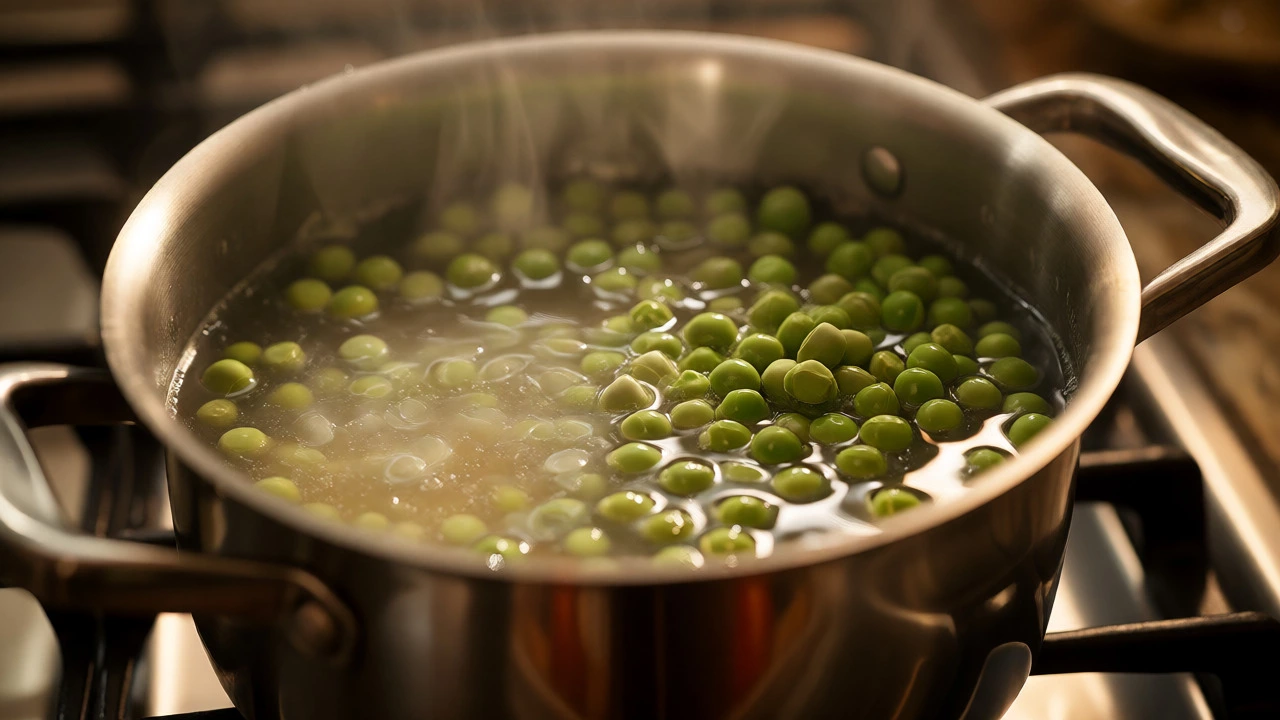
When you don’t soak dried peas, you force them to hydrate from the outside in while they’re already boiling. This creates a major problem called "case hardening." The outer skin absorbs water quickly and softens, but the starchy core remains dry and dense because the heat hasn’t penetrated deep enough yet.
The result is a textural nightmare. You end up with peas that are mushy on the outside but chalky or gritty on the inside. In a simple dal recipe, where the goal is often a creamy, cohesive consistency, this disconnect is jarring. You might find yourself biting into a pea that feels like a raw bean despite having simmered for twenty minutes. To fix this mid-cook, you usually have to extend the cooking time significantly, which risks turning the other ingredients-like onions or tomatoes-into an unrecognizable paste.
Digestion: Why Your Stomach Might Protest
If you’ve ever felt bloated or gassy after eating legumes, soaking might be the missing link. Dried peas contain complex sugars called oligosaccharides, specifically raffinose and stachyose. Humans lack the enzyme alpha-galactosidase needed to break these sugars down in the small intestine. Instead, they travel to the large intestine, where gut bacteria ferment them, producing gas as a byproduct.
Soaking helps reduce these compounds. When you soak peas, some of these water-soluble sugars leach out into the soaking water. If you discard that water (which you should), you’re essentially pre-digesting part of the problem. Skipping the soak means those sugars stay trapped inside the pea, waiting to cause trouble in your gut. For people with sensitive digestive systems or conditions like IBS, skipping the soak can turn a comforting bowl of dal into an uncomfortable afternoon.
Cooking Time and Fuel Efficiency
Let’s talk logistics. Unsoaked peas take roughly twice as long to cook as soaked ones. A standard batch of yellow split peas might need 45-60 minutes of simmering if soaked, but could stretch to 90 minutes or more if thrown in dry. This isn’t just annoying; it costs money and energy.
| Factor | Soaked Peas | Unsoaked Peas |
|---|---|---|
| Average Cook Time | 30-45 minutes | 60-90+ minutes |
| Texture Consistency | Creamy, uniform | Risk of uneven hardness |
| Digestive Comfort | Lower gas potential | Higher gas potential |
| Nutrient Retention | Slight loss in soaking water | Full retention initially |
In many households, especially where gas cylinders are metered or electricity rates are high, that extra hour of simmering adds up. Plus, longer cooking times mean more evaporation. You’ll likely need to add more water, which dilutes the flavor of your spices unless you’re careful to adjust seasoning at the very end.
Flavor Absorption: The Missed Opportunity
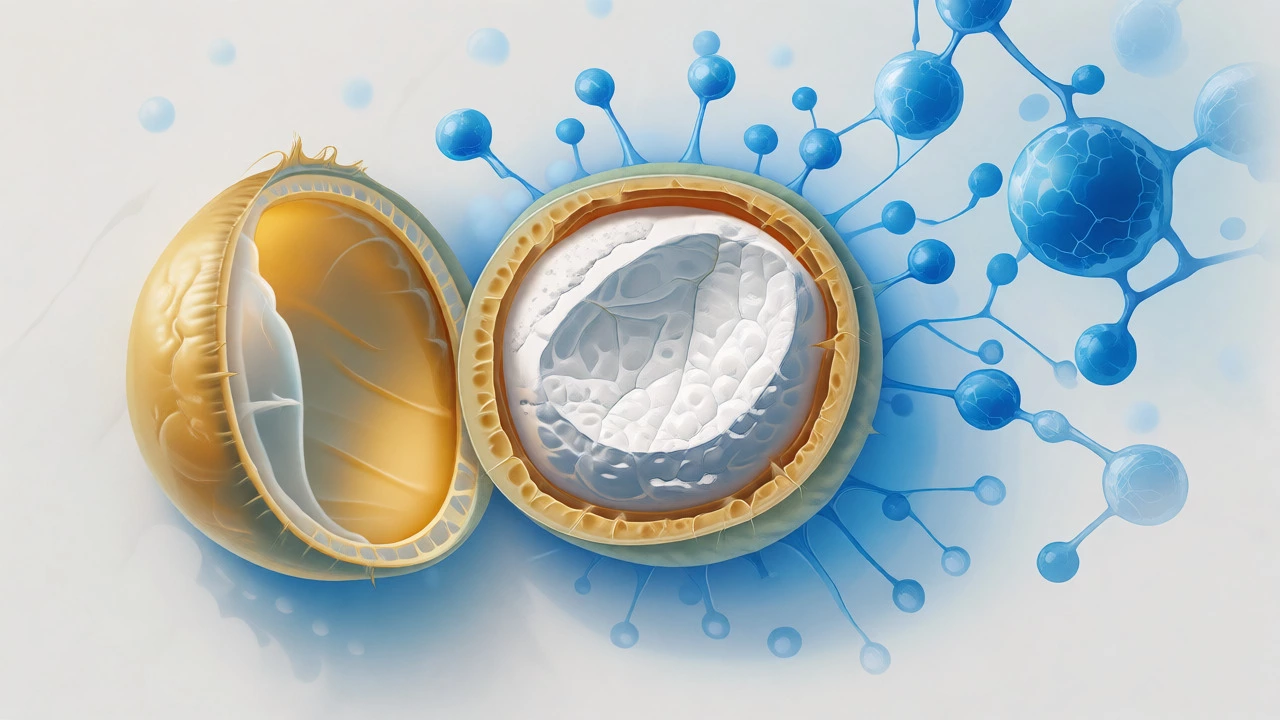
Think of a dry pea like a sponge. When it’s bone-dry, it resists absorbing flavors until it’s fully hydrated. By soaking, you open up the cellular structure of the legume. While the pea is drinking up water, it’s also primed to absorb the aromatic compounds from your tadka (tempering) or spice mix later on.
Unsoaked peas tend to taste bland internally. The flavor stays on the surface, clinging to the softened skin, while the center remains neutral. This leads to a dish that tastes "watery" rather than rich. If you want that deep, savory punch in every bite, hydration before heat is key. It allows the salt and spices to penetrate deeper into the starch matrix during the cooking process.
Can You Skip the Soak? Yes, With These Tricks
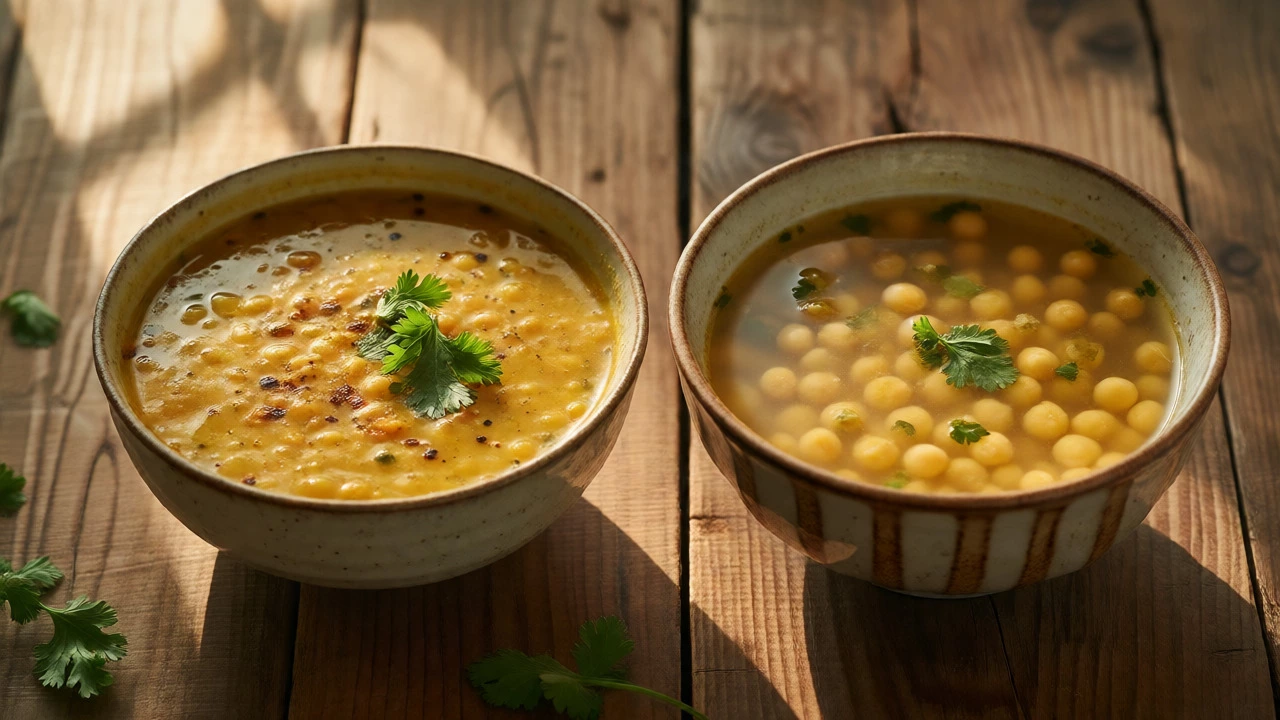
Life happens. Sometimes you forget. Or maybe you bought pre-split red lentils (masoor dal) and think all dals behave the same way. They don’t. Whole peas and larger beans benefit most from soaking. Smaller split lentils like moong or masoor often cook fine without it. But if you’re stuck with whole chana or dried peas and no time to soak?
- The Hot Soak Method: Boil the peas for 2 minutes, remove from heat, cover, and let sit for an hour. This cuts traditional overnight soaking time drastically.
- Pressure Cooking: If you have an Instant Pot or pressure cooker, you can often skip the soak entirely. High pressure forces water into the peas rapidly, reducing cook time to 15-20 minutes even from dry.
- Add Acid Last: Never add tomatoes, tamarind, or vinegar early in the cooking process if your peas are unsoaked. Acid toughens the skins and prevents softening. Wait until the peas are tender before adding acidic ingredients.
Nutritional Impact: Are You Losing Vitamins?
There’s a common fear that soaking washes away nutrients. It’s partially true. Water-soluble vitamins like B-complex and Vitamin C do leach out into the soaking water. However, the amount lost is relatively small compared to the gains in bioavailability. Soaking reduces phytic acid, an anti-nutrient found in legumes that binds to minerals like iron, zinc, and calcium, preventing your body from absorbing them.
By reducing phytic acid through soaking, you actually increase the nutritional value of the meal, even if you lose a tiny bit of vitamin content. Your body gets more usable iron from soaked peas than from unsoaked ones. So, from a health perspective, the trade-off is heavily in favor of soaking.
Which Dals Actually Need Soaking?
Not all Indian pulses are created equal. Here’s a quick cheat sheet to save you time:
- Must Soak: Kidney beans (rajma), chickpeas (kabuli chana), black-eyed peas, and whole green peas. These have thick skins and dense interiors.
- Optional Soak: Yellow split peas (chana dal), pigeon peas (toor dal). Soaking speeds them up but isn’t strictly necessary if you have 45 minutes to spare.
- No Soak Needed: Red lentils (masoor dal), mung beans (moong dal), and urad dal (if split). These break down quickly and become creamy naturally.
Knowing this distinction saves you from unnecessary kitchen anxiety. You don’t need to plan meals three days in advance for a simple weeknight dal.
Troubleshooting Your Unsoaked Dal
If you’ve already cooked unsoaked peas and they’re still hard, don’t dump the pot. Here’s how to salvage it:
- Add More Liquid: Ensure the peas are completely submerged. Dry spots won’t soften.
- Keep Simmering: Patience is the only real cure. Keep the lid on to trap steam.
- Check for Salt Timing: Did you add salt too early? Salt draws moisture out of the peas, making them tougher. If you added salt at the start, you might need to cook much longer.
- Blend Partially: Use an immersion blender to mash half the dal. This releases starch from the broken peas, which can help thicken the gravy and mask slight textural inconsistencies.
Do I really need to soak dried peas overnight?
No, overnight soaking is ideal but not mandatory. A hot soak (boiling for 2 minutes then resting for 1 hour) works almost as well. Pressure cooking also eliminates the need for long soaks.
Why does my dal taste watery when I don't soak the peas?
Unsoaked peas release less starch into the cooking liquid because their cell walls remain intact longer. Soaked peas break down more easily, releasing starch that thickens the broth naturally, creating a richer mouthfeel.
Does soaking remove protein from peas?
Protein loss during soaking is minimal. Most proteins are not water-soluble. The primary losses are water-soluble vitamins and minerals, but the improved digestibility and mineral absorption outweigh this minor loss.
Can I use baking soda to soften unsoaked peas?
Yes, adding a pinch of baking soda can help soften tough skins faster by raising the pH level. However, use it sparingly (less than 1/4 teaspoon per cup) as too much can give the dal a soapy, metallic taste and destroy thiamine (Vitamin B1).
Which is better for weight loss: soaked or unsoaked dal?
Both are healthy, but soaked dal may offer slightly better nutrient absorption due to reduced phytic acid. The fiber content remains largely similar, so both support satiety and weight management effectively.