Paneer Texture Predictor
Select your milk options to predict the texture outcome for your homemade Paneer.
Why This Matters
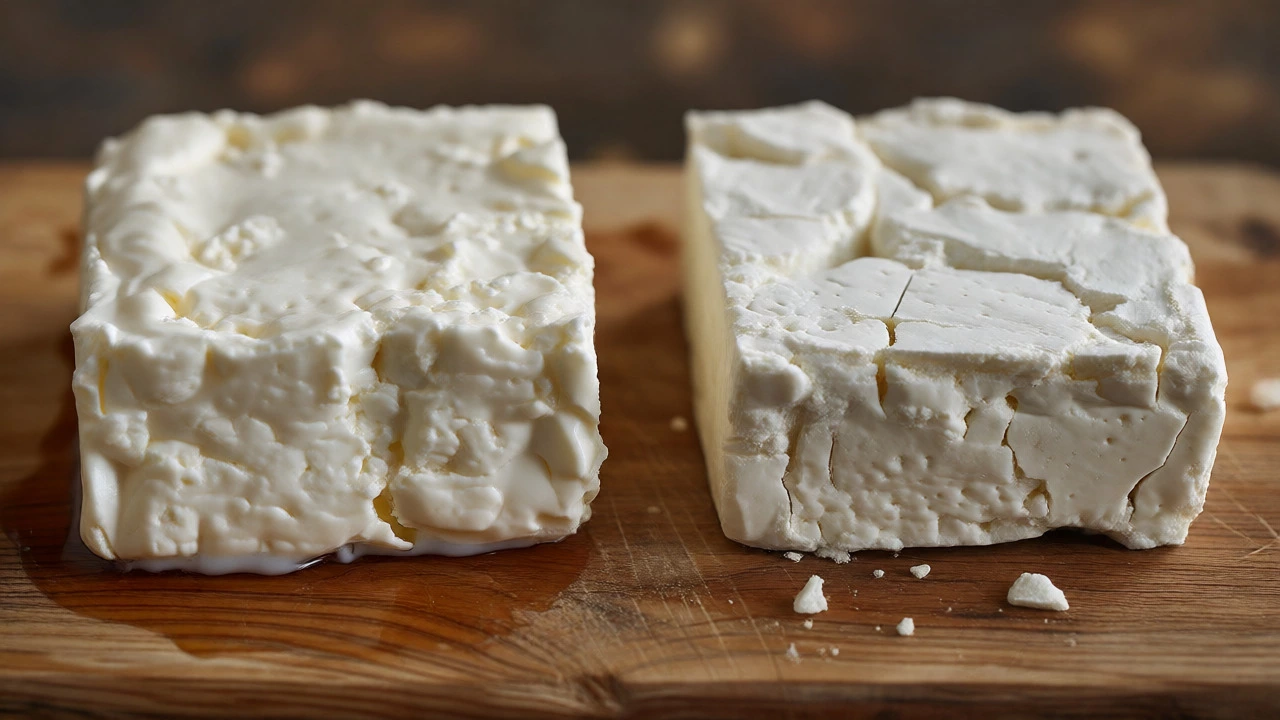
- Fat Content: Fat coats protein strands, preventing them from binding too tightly. Full cream yields soft, creamy cubes. Skimmed yields dense, rubbery blocks.
- Heat Treatment: UHT milk proteins are partially denatured. While usable, they may require slightly more acid or yogurt to achieve clean separation compared to fresh milk.
You’ve probably been there. You’re excited to make a fresh batch of Chena (also known as paneer) for your weekend curry or sweet dish, but the result comes out rubbery, dry, or worse-just watery curds that won’t hold shape. Why does this happen? It usually isn’t your technique; it’s your milk. The quality and type of milk you choose dictate whether you get soft, creamy cubes or a sad, crumbly mess.
Living in Birmingham, I’ve tested countless cartons and bottles from local supermarkets like Tesco, Sainsbury’s, and Morrisons to find the sweet spot. If you want that restaurant-style melt-in-the-mouth texture at home, here is exactly which milk works best and why.
The Short Answer: Go Full Cream
If you want the absolute best Chena, use Full Cream Milk. Period. The fat content is the secret ingredient. Fat coats the protein strands during coagulation, keeping them tender and preventing the cheese from becoming tough as it cooks. Whole milk typically contains around 3.5% to 4% fat, which provides enough richness without making the paneer greasy.
When you use full cream milk, the resulting curds are naturally moist. Even if you accidentally press them too hard or boil them a minute too long, the fat acts as a buffer, keeping the texture forgiving. In contrast, lower-fat milks produce a tighter protein network that becomes rigid quickly, leading to that dreaded "chewy" bite.
Why Low-Fat and Skimmed Milk Fail
Many health-conscious cooks try to save calories by using Semi-Skimmed or Skimmed Milk. While these work technically-you will still get curds-the outcome is vastly different. Without sufficient fat, the casein proteins bind tightly together. This creates a dense, rubbery block that absorbs flavors poorly and feels dry in the mouth.
I once tried making Sandesh (a Bengali sweet) with skimmed milk because I wanted a lighter dessert. The result was chalky and required extra sugar just to mask the lack of richness. For savory dishes like Palak Paneer, low-fat paneer tends to shrink significantly when fried, losing its volume and becoming hard. Unless you are strictly counting macros, skip the low-fat options for cheese-making.
Fresh vs. UHT Milk: Does Pasteurization Matter?
This is where things get tricky, especially in the UK where UHT (Ultra High Temperature) milk is ubiquitous. UHT milk has been heated to over 135°C to kill all bacteria, allowing it to sit on shelves for months. But does this high heat damage the proteins needed for good paneer?
The short answer: Yes, slightly. UHT processing can denature some whey proteins, which might alter how the curds form. However, in my experience, high-quality UHT full cream milk still produces excellent paneer if you adjust one thing: the acid. Because UHT milk is already partially cooked, it may require a tiny bit more lemon juice or vinegar to fully separate. Alternatively, you can add a spoonful of plain yogurt to help kickstart the coagulation process.
Fresh Pasteurized Milk (the kind kept in the fridge with a shorter shelf life) is generally superior. The proteins are less stressed, leading to cleaner separation and a fresher taste. If you have access to a local dairy or a farm shop selling raw or lightly pasteurized milk, grab that. The flavor difference is subtle but noticeable in delicate sweets like Rasgulla.
The Role of Protein Content
Not all milk brands are created equal. Check the nutritional label. Standard cow’s milk in the UK usually offers about 3.4g of protein per 100ml. Some premium brands fortify their milk or source it from specific breeds like Jersey cows, which naturally produce milk with higher butterfat and protein levels.
| Milk Type | Fat Content | Texture Outcome | Best For |
|---|---|---|---|
| Full Cream (Whole) | ~3.5-4% | Soft, creamy, rich | All-purpose, sweets, curries |
| Semi-Skimmed | ~1.7% | Dense, slightly rubbery | Low-calorie diets |
| Skimmed | <0.1% | Hard, chalky, dry | Strict weight loss |
| Buffalo Milk | ~7-8% | Very firm, heavy yield | Traditional Indian sweets |
Higher protein means a higher yield. If you buy milk labeled "High Protein," you’ll get more grams of paneer from the same liter of liquid. This is crucial if you’re cooking for a crowd. Brands like Arla or Cravendale often provide consistent results, but always check the expiry date. Old milk separates poorly and tastes sour before you even add the acid.
Buffalo Milk: The Traditional Heavyweight
In India, traditional paneer is often made from Buffalo Milk. Buffalo milk has nearly double the fat content of cow’s milk (around 7-8%) and higher total solids. This results in a much firmer, heavier cheese with a distinct, richer flavor.
While buffalo milk yields more cheese, it can be too dense for Western palates accustomed to softer textures. It’s fantastic for deep-frying because it holds its shape incredibly well, but it lacks the delicate fluffiness of cow’s milk paneer. If you can find buffalo milk at an Asian grocery store in Birmingham, try it for a batch of Kalakand. Just be prepared to press it longer, as the curds are smaller and take more time to bind.
Practical Tips for Perfect Coagulation
Choosing the right milk is half the battle. Here are three quick rules to ensure your chosen milk performs at its peak:
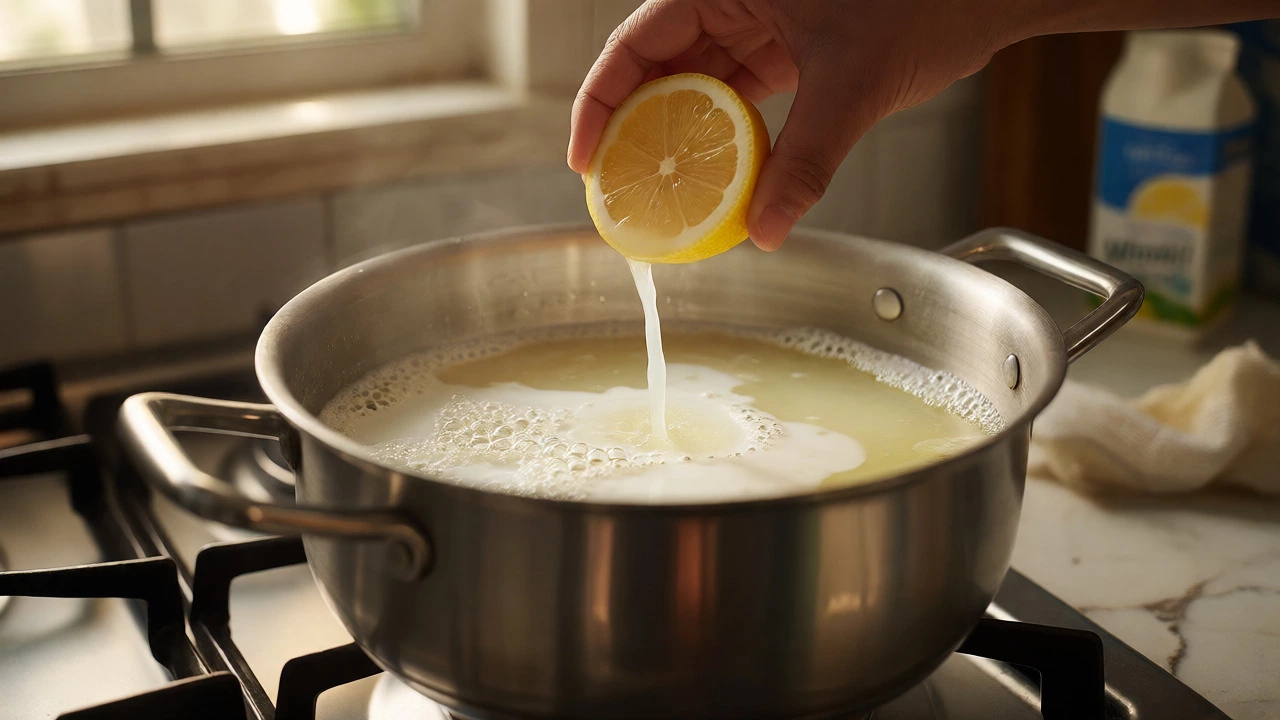
- Temperature Control: Bring the milk to a gentle simmer, not a rolling boil. Boiling too vigorously breaks down the fats and proteins unevenly, leading to grainy curds. Aim for small bubbles forming at the edges.
- Acid Choice: Lemon juice adds a bright, citrusy note that pairs well with fruit-based desserts. Vinegar (white or apple cider) is neutral and better for savory curries. Avoid citric acid powder unless you are experienced; it acts too fast and can cause premature splitting.
- Don’t Over-Stir: Once you add the acid, stir gently until the greenish whey separates clearly from the white curds. Stop stirring immediately. Agitating the curds after they form makes them break apart into dust rather than clumping together.
Remember, the goal is to separate the casein (protein/fat) from the whey (water/lactose). Good milk separates cleanly. Bad milk leaves you with cloudy whey and scattered crumbs.
Common Mistakes to Avoid
Even with the best full cream milk, you can ruin the batch. One common error is using milk that has been opened for several days. Freshness impacts acidity levels naturally present in the milk. If the milk is starting to turn, it might curdle prematurely or smell off when heated.
Another mistake is rushing the cooling process. After straining the curds through cheesecloth, don’t squeeze them violently under cold water immediately. Let them drain for 10 minutes first. This allows the structure to set slightly. Then, rinse briefly to remove the acid taste, and press gently. If you need firm blocks for cubing, place a heavy pot on top for 20-30 minutes. If you want soft chena for sweets, skip the pressing entirely.
Finally, never reuse the whey for drinking if you used vinegar with strong odors. Save it for baking bread-it adds moisture and a slight tang that improves dough elasticity.
Frequently Asked Questions
Can I make paneer from almond or soy milk?
Yes, but the texture is completely different. Plant-based milks lack casein, so they don't form traditional curds. You'll get a tofu-like consistency that is softer and more fragile. It doesn't brown or fry the same way dairy paneer does, and it often has a nutty aftertaste that clashes with traditional Indian spices.
Does organic milk make better paneer?
Organic milk can taste cleaner and richer due to the diet of the cows, but it doesn't necessarily change the chemistry of coagulation. If the organic milk is full cream, it will make great paneer. If it's semi-skimmed, it will still be rubbery. Focus on the fat percentage first, then consider organic status for flavor preferences.
How much milk do I need for 200g of paneer?
On average, 1 liter of full cream milk yields about 150-200 grams of paneer. The exact amount depends on the protein and fat content of the specific brand. Higher quality, higher fat milk will give you closer to 200g, while standard supermarket whole milk might yield closer to 150g.
Why did my paneer turn out yellow?
Yellow paneer usually indicates that the milk had a high beta-carotene content, common in grass-fed cows or certain breeds like Jerseys. It is perfectly safe and often signifies richer flavor. However, if it looks artificially orange, check if any additives were present in flavored milk varieties, which should be avoided for plain paneer.
Is UHT milk bad for making paneer?
No, it is not bad, but it behaves differently. UHT milk may require slightly more acid to split properly compared to fresh pasteurized milk. The resulting paneer might be marginally softer or have a slightly different mouthfeel, but it is still suitable for most recipes. Always bring it to a full simmer to ensure proper separation.