Chutney Recipes: Authentic Indian Condiments with Flavor, Safety, and Tradition
When you think of chutney, a zesty, flavorful condiment from the Indian subcontinent, often made with fruits, herbs, spices, and vinegar. Also known as chatni, it’s not just a side—it’s the spark that wakes up rice, dosa, samosa, or even grilled meats. Unlike sweet jams or smooth compotes, chutney bites back with heat, tang, and depth. It’s the kind of thing your grandmother made in big batches every monsoon, and the kind you’ll find in every Indian kitchen—whether it’s a quick green chutney crushed in a mortar or a slow-cooked mango preserve that lasts all year.
Not all chutneys are the same. Indian chutney, typically fresh, spicy, and made with raw or lightly cooked ingredients like mint, tamarind, or green chili is served right away. British chutney, on the other hand, is cooked down with sugar and vinegar, turning fruit into a sweet-tart jam-like spread. Then there’s the confusion with jam, a sweet, smooth fruit spread meant for toast, not savory dishes. They look alike, but they don’t taste the same—and they don’t belong on the same plate. And if you’re canning chutney for long storage, you need to know whether to jar it hot or cold. Do it wrong, and you risk mold. Do it right, and your flavors stay bright for months.
Chutney isn’t just about taste—it’s about timing, texture, and tradition. Should you serve it cold from the fridge or warm off the stove? It depends. Coconut chutney? Cold. Tomato chutney? Warm. And yes, there’s a reason some chutneys have more salt or sugar than you’d expect. They’re not just for flavor—they’re for preservation. But that also means you need to know the downsides: too much sodium, hidden sugars, or even allergens like nuts in peanut chutney. You don’t have to avoid it—you just need to understand it.
Below, you’ll find real guides from real kitchens. Learn how to tell chutney apart from compote. Find out why the word "chutney" comes from the Hindi word "chatni." See what happens when you store it wrong. And discover which chutneys work best with which snacks, meals, or even sandwiches. This isn’t theory. It’s what works in homes across India—and what you can make right in your own kitchen.
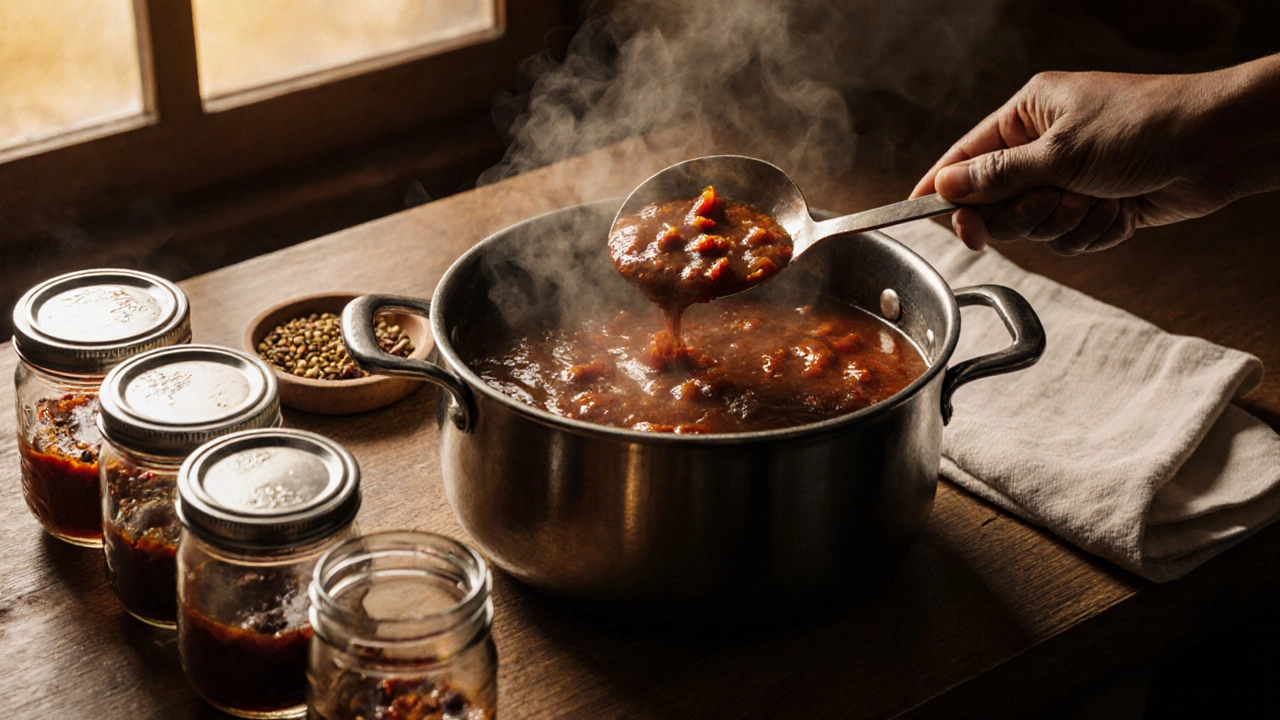
Do You Jar Up Chutney Hot or Cold? The Right Way to Preserve Flavor and Safety
Learn why jarring chutney while hot is essential for safety, flavor, and long-term storage. Avoid mold and spoilage with this step-by-step guide to proper chutney canning.
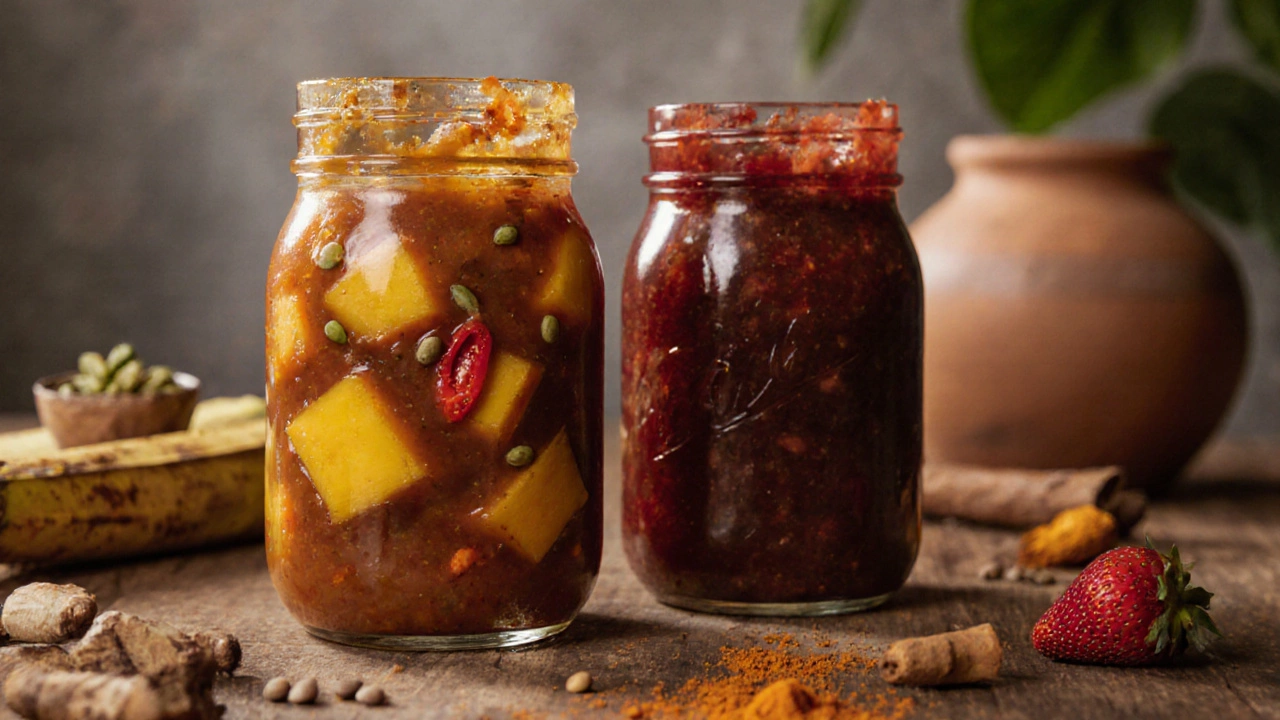
What Is a Chutney vs Jam? Key Differences in Flavor, Texture, and Use
Chutney and jam look similar but are totally different. Chutney is spicy, tangy, and savory-made for pairing. Jam is sweet, smooth, and spreadable-made for toast. Know the difference to cook better.

Chutney: Should You Serve It Warm or Cold?
Ever wondered if chutney should hit the table warm or straight from the fridge? This article compares both options and shares which chutney types work best at different temperatures. You'll get tips on pairing chutney with snacks and meals, plus tricks to avoid common serving mistakes. Expect practical advice and fun facts that could change the way you serve chutney forever. If you ever reached for that jar and paused—this guide is for you.

Why It's Called Chutney: A Journey Through Flavor
Explore the intriguing origins of the word 'chutney' and how it came to represent a diverse array of zesty condiments. Learn about its history, key ingredients that define it, and practical tips for creating your own flavorful versions. Discover the cultural significance and global popularity that have made chutney a staple in kitchens around the world.

Compote vs. Chutney: Spot the Difference
Ever wondered whether you're stirring up a compote or a chutney? Despite their similar fruit contents, they're quite different. While compote is sweet, chutney brings a spicy, tangy twist. Both can add a burst of flavor to your dishes, but each has its own special role. Dive into differences, uses, and tips for each, and get the lowdown on these fun kitchen staples.
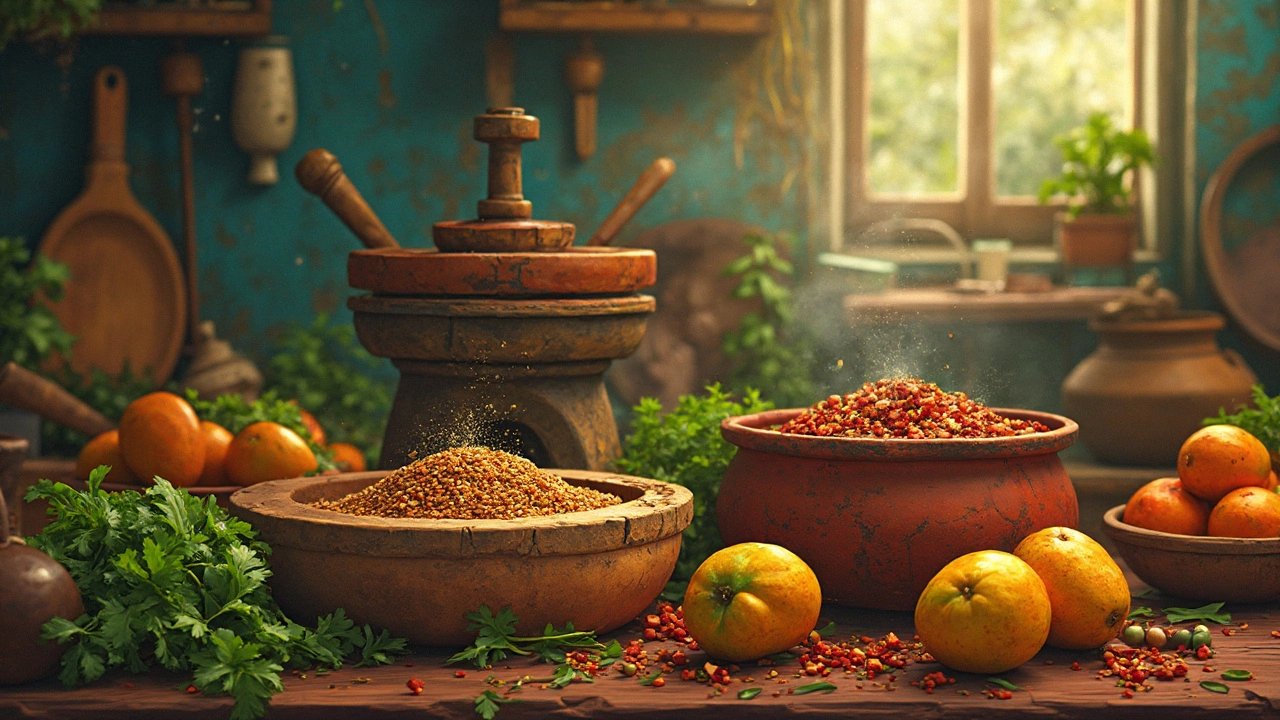
Understanding the Distinct Flavors of Indian and British Chutney
Chutney, a delightful condiment, differs significantly between Indian and British culinary traditions. Indian chutneys are diverse, often spicy, and served fresh, while British chutneys lean towards sweet and tangy, made with cooked fruit and vinegar. This article explores the backgrounds and flavors, offering tips for crafting these unique condiments. Whether you're a fan of heat or mildness, there's a chutney to suit every palate.

Exploring the Potential Drawbacks of Chutney in Your Diet
Chutney, a popular condiment originating from the Indian subcontinent, is known for adding a burst of flavor to meals. While its vibrant taste and versatility are widely celebrated, there are certain potential disadvantages to consider. These include its high sugar and salt content, the potential for allergic reactions, and its preservation concerns. Understanding these factors can help chutney enthusiasts make informed dietary choices while enjoying this zesty accompaniment.