South Indian Recipes: Authentic Dosa, Idli, and More Made Simple
When you think of South Indian recipes, a vibrant collection of fermented, grain-based dishes rooted in tradition and regional ingredients. Also known as Dravidian cuisine, it’s the kind of food that starts your day with a crisp dosa or a soft idli, served with coconut chutney and sambar. These aren’t just breakfasts—they’re daily rituals across Karnataka, Tamil Nadu, Kerala, and Andhra Pradesh. What makes them special isn’t just the taste, but how they’re made: slow-fermented batters, whole grains, and simple spices that turn humble ingredients into meals that keep you full and energized.
At the heart of most South Indian recipes is the dosa, a thin, crispy fermented crepe made from rice and lentils. Also known as dose, it’s the star of breakfast tables and street stalls alike. But dosa isn’t just one thing—it changes with every household. Some use black lentils, others add urad dal. Some ferment for 12 hours, others wait 24. And then there’s fenugreek, a tiny seed that’s secretly the hero behind fluffy, golden dosas. Also known as methi, it’s not optional if you want that perfect crisp edge and slight bitterness that balances the batter. Without it, your dosa might taste flat. With it, it sings. Then there’s idli, a steamed rice-lentil cake that’s soft, light, and easy to digest. Also known as idly, it’s the gentle cousin of dosa—perfect for kids, seniors, and anyone watching their blood sugar. Both dosa and idli are made from the same batter, but the cooking method changes everything. That’s why people ask: Can you eat dosa every day? Is it healthier than rice? Can diabetics have it? The answers aren’t yes or no—they depend on what’s in the batter, how long it fermented, and what you pair it with.
That’s why this collection dives deep into what really matters: the ingredients, the science, the tweaks. You’ll find out why fenugreek isn’t just a spice but a fermentation booster. You’ll see how swapping white rice for brown or millet lowers the glycemic index without losing flavor. You’ll learn why your dosa didn’t puff up—maybe it was the water temperature, not your skill. And you’ll get real, no-fluff tips to make these dishes work for your body, whether you’re managing diabetes, trying to eat clean, or just tired of boring breakfasts.
These aren’t abstract food theories. Every post here comes from kitchens where people cook these dishes every day—moms, chefs, home cooks who’ve tweaked recipes for years. You won’t find fancy techniques or hard-to-find ingredients. Just clear, practical advice that turns your kitchen into a South Indian breakfast hub. Whether you’re making your first batter or refining your 50th batch, there’s something here that’ll make your next dosa better than the last.
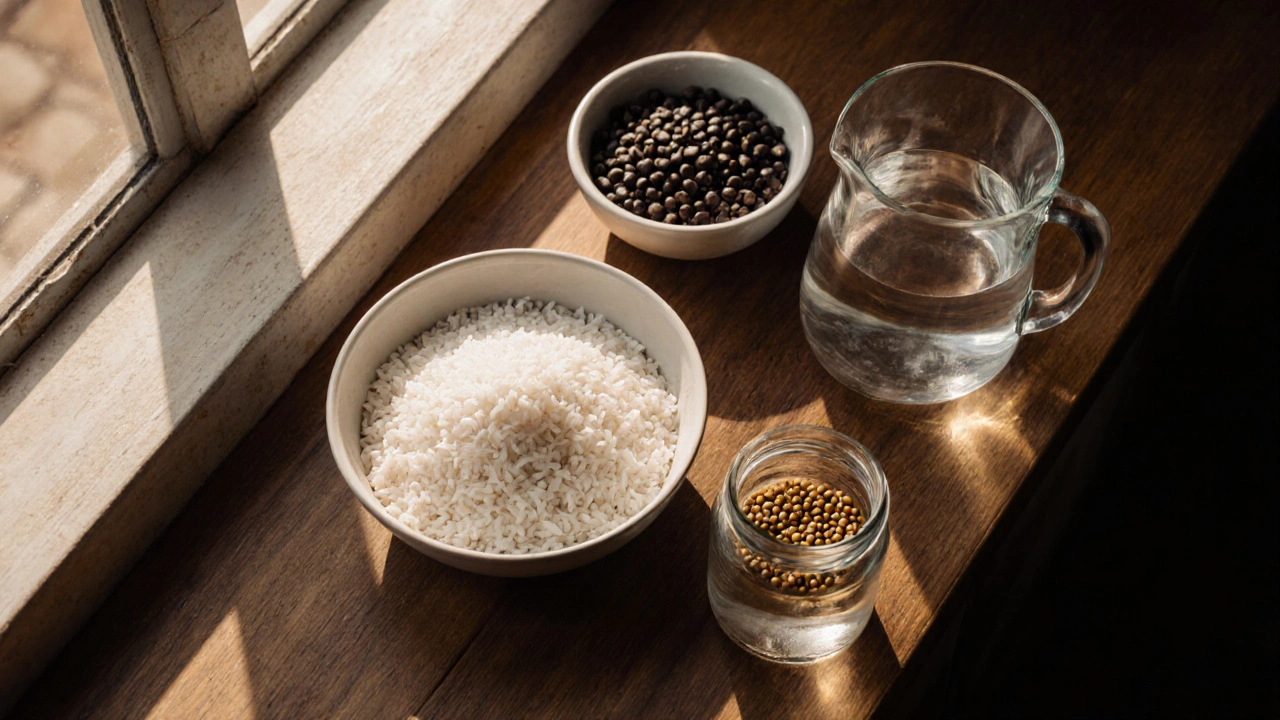
Dosa Batter Ingredients: What Goes Into the Classic South Indian Batter
Learn exactly what goes into traditional dosa batter, how each ingredient works, fermentation tips, alternative grains, and common troubleshooting for perfect, crisp dosas.
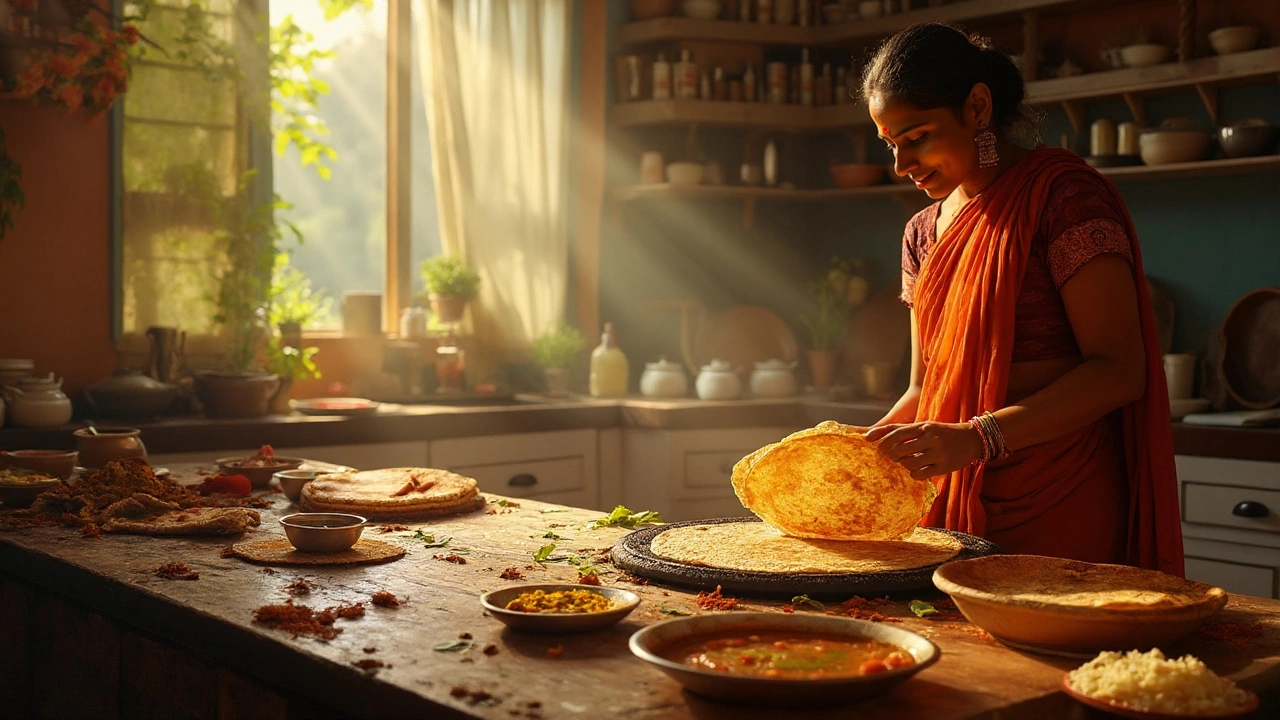
Can You Eat Dosa Every Day? Health Facts, Nutrition & Tips
Thinking of eating dosa every day? Get the facts on dosa's nutrition, health pros and cons, tasty variations, and tips to enjoy this South Indian classic wisely.
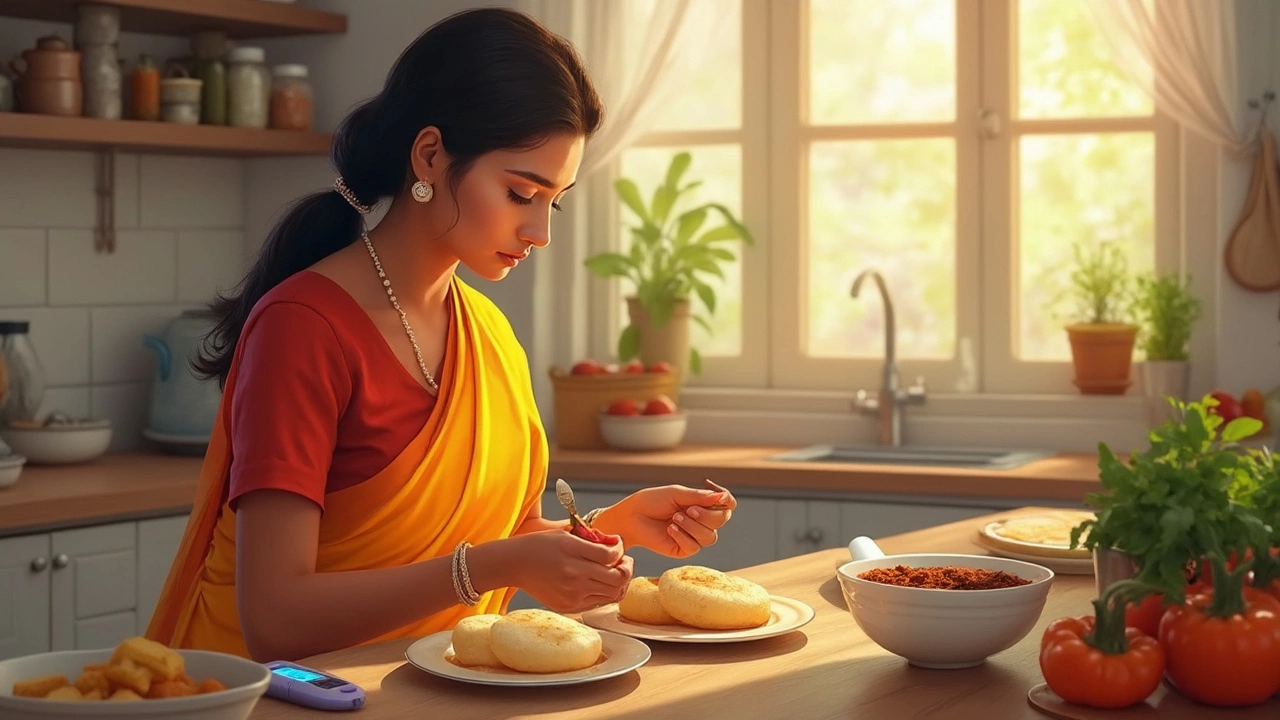
Can a Diabetic Person Eat Idli and Dosa? Expert Answers & Tips
Wondering if idli and dosa are safe for people with diabetes? This article dives deep into what happens when a diabetic person eats these South Indian staples, breaking down real nutrition facts, portion tips, and simple ways to make them healthier. Get concrete advice for managing your blood sugar without missing out on your favorite breakfast. Easy swaps, common pitfalls, and actionable tips included. No confusing jargon, just practical help.
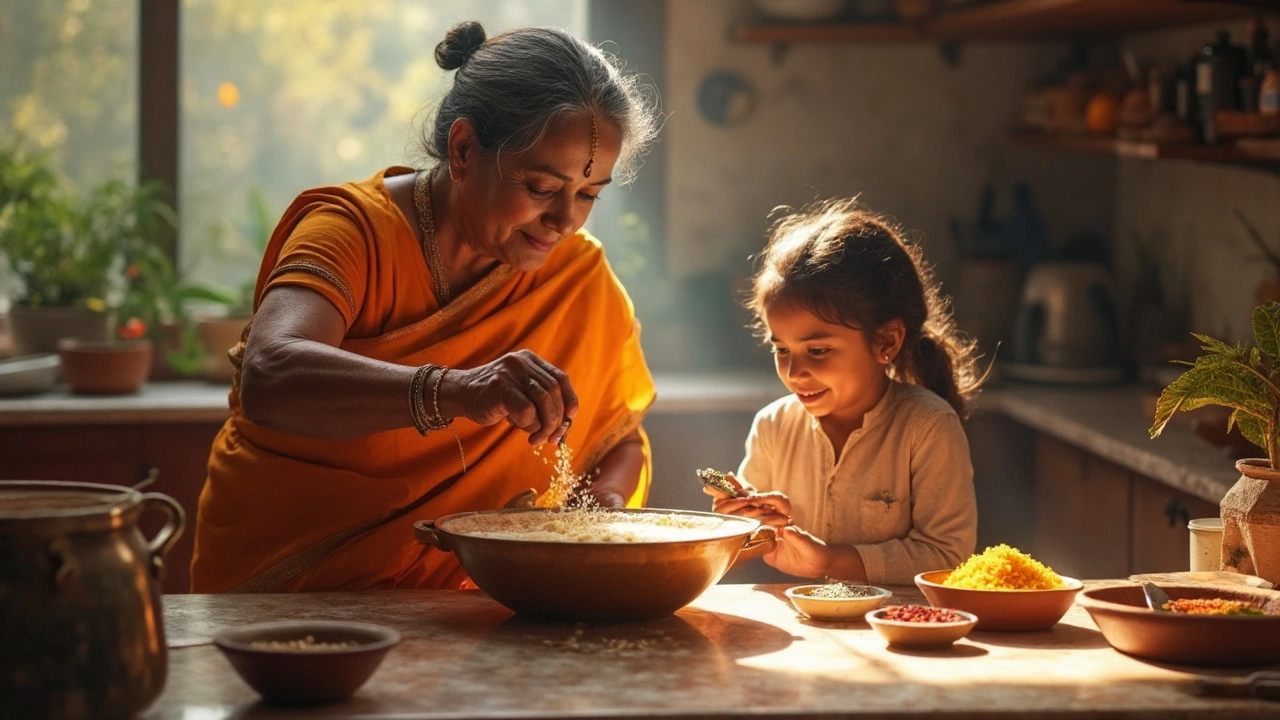
Why is Fenugreek Added to Dosa Batter? The Crucial Ingredient Explained
Fenugreek isn't just thrown into dosa batter for tradition's sake—it plays a serious role in texture, taste, and fermentation. Wonder why your homemade dosas aren't as fluffy or crispy as the ones at your favorite South Indian joint? The secret could be a pinch of fenugreek. This article breaks down what exactly fenugreek does in the batter, how much you need, and smart hacks to perfect your dosas every time. You’ll get practical tips to make your dosa game strong, whether you're a beginner or a kitchen veteran.
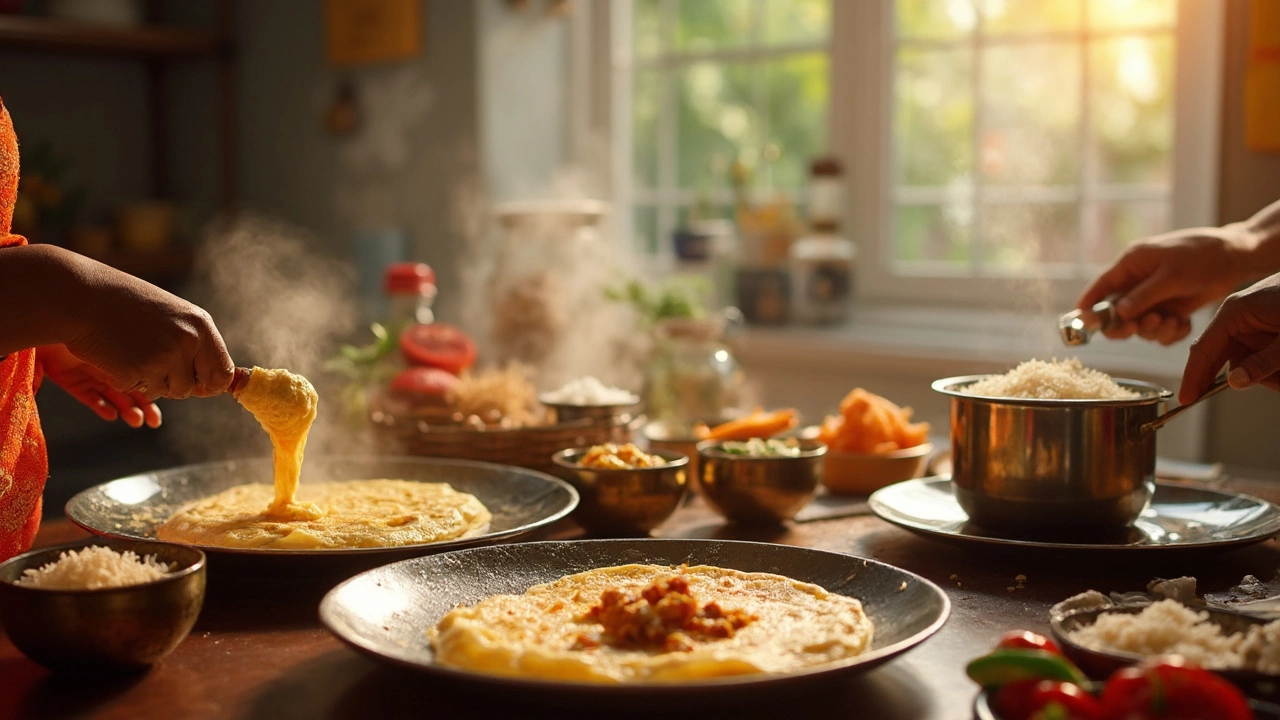
Is Dosa Healthier or Rice? Nutrition Facts You Should Know
Figuring out if dosa is healthier than plain rice isn’t as clear-cut as you’d think. Both are staple foods you’ll find on most Indian tables, but their nutrition, benefits, and impact on your body can be surprisingly different. This article breaks down calories, nutrients, and even little-known facts about how they’re made. If you’re torn between dosa and rice, or simply want to know which fits better into your diet, you’ll find practical answers here. You’ll also get useful tips to make both options healthier at home.
Reduce the Glycemic Index of Your Dosa: Tips and Tricks
Dosa, beloved across many households, can be a challenge for those managing blood sugar levels due to its glycemic index. By tweaking the traditional ingredients and preparation methods, you can lower the glycemic index, making dosa a healthier option without compromising on taste. Using whole grains, adding fiber, and fermenting correctly can significantly change its impact on blood sugar. Dive into these practical tips to transform your dosa into a lower GI treat.