Alcoholic Drinks in India
When you think of alcoholic drinks in India, a diverse mix of traditional brews, regional spirits, and modern cocktails shaped by climate, religion, and history. Also known as Indian liquor, it’s not just about what’s in the bottle—it’s about when, where, and why people drink it. Unlike in many Western countries, alcohol here doesn’t follow one rule. In some states, it’s banned. In others, it’s part of weddings, festivals, and even daily life. You’ll find homemade toddy in Kerala, spiced arrack in Goa, and craft beer in Bangalore—all under the same sky, but with very different stories.
One key player is traditional Indian drinks, fermented beverages made from local ingredients like palm sap, rice, or millet, often prepared at home or sold by street vendors. Also known as country liquor, these aren’t found in supermarkets—they’re passed down through generations. In rural Punjab, you’ll sip tharra made from sugarcane. In the Northeast, rice beer called zutho is served in bamboo cups. These drinks aren’t just alcohol; they’re cultural artifacts. Meanwhile, beer in India, a rapidly growing category led by brands like Kingfisher and craft breweries in Pune and Delhi. Also known as Indian lager, it’s become the go-to for young urban drinkers, especially in summer. And then there’s liquor in India, the heavy-hitters like rum, whiskey, and vodka, often consumed neat or mixed, especially during celebrations. Also known as Indian spirits, they dominate sales charts, with Indian-made foreign liquor (IMFL) accounting for over 80% of the market. What’s surprising? Many of these drinks are tied to local crops and climate. Sugarcane spirits thrive in the south. Rice-based brews flourish in the east. Even the way people drink varies—some sip slowly with meals, others shoot it at parties.
There’s no single answer to what makes an alcoholic drink "Indian." It’s the blend of ancient practices, modern trends, and strict local laws. Some places let you buy alcohol at 18. Others require a permit. Some temples forbid it. Some temples serve it. That’s the complexity. The posts below dig into what’s actually available, what people really drink at home, which drinks are safe to try while traveling, and why some traditional brews are making a comeback. You’ll find real stories—not marketing fluff—about what’s in the glass and why it matters.
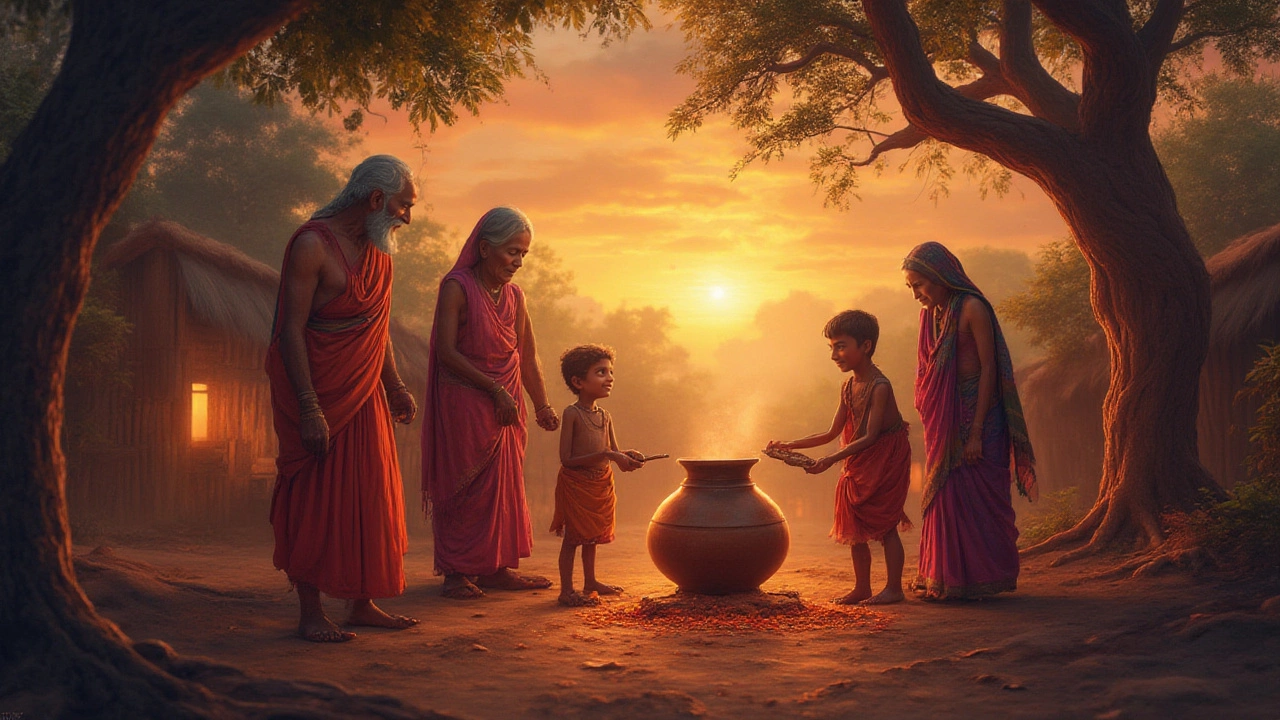
Popular Alcoholic Drinks in India: Types, Traditions and Unique Flavors
Ever wondered what counts as the real alcoholic drink in India? Uncover everything from ancient brews to bold new spirits and quirky local shots.