Anti-Inflammatory Foods: Best Indian Choices to Reduce Swelling and Pain
When your joints ache, your stomach feels bloated, or you’re just constantly tired, it might not be stress—it could be inflammation, a silent, body-wide response that, when chronic, leads to pain and disease. Also known as chronic low-grade inflammation, this hidden trigger is often fed by processed foods—but it can be calmed by what’s already in your kitchen. The good news? Indian cooking is packed with powerful anti-inflammatory foods, natural ingredients proven to reduce swelling, ease pain, and support long-term health. You don’t need expensive supplements. You need turmeric, ginger, lentils, and spices your grandmother already used.
Take turmeric, the golden root that’s the backbone of Indian curries and healing traditions. Its active compound, curcumin, is one of the most studied anti-inflammatory agents on the planet. A 2016 study in the Journal of Medicinal Food found curcumin matched the effects of common anti-inflammatory drugs—without the side effects. You don’t need a pill. Just add a teaspoon to your dal, roast it with vegetables, or mix it into warm milk. Then there’s ginger, a root used daily in Indian teas and pickles to soothe digestion and reduce muscle soreness. Grate it into your morning chai, toss it into stir-fries, or chew a small piece with salt. It works fast. And let’s not forget lentils, the humble, protein-rich legumes that form the base of countless Indian meals. Unlike processed carbs, lentils are high in fiber and antioxidants that help lower C-reactive protein, a key marker of inflammation. Dal isn’t just comfort food—it’s medicine.
What makes Indian anti-inflammatory eating so powerful is how these ingredients work together. Turmeric needs black pepper to activate. Ginger teams up with garlic to boost circulation. Lentils are balanced with ghee or coconut oil to help absorb fat-soluble nutrients. This isn’t magic—it’s food science. And it’s all happening in your pot right now. You don’t need to overhaul your diet. Just swap out the processed snacks for roasted chana, replace sugary drinks with masala chai, and make sure your dal has turmeric and ginger in it every time. The results show up slowly—less stiffness in the morning, fewer bloated days, more energy. You’ll notice it before anyone else does.
Below, you’ll find real recipes and practical tips from people who’ve used these foods to feel better. From how to make a turmeric-ginger dal that actually tastes good, to why some Indian spices are stronger than others, to what to avoid if you’re fighting inflammation—you’ll find it here. No fluff. Just what works.
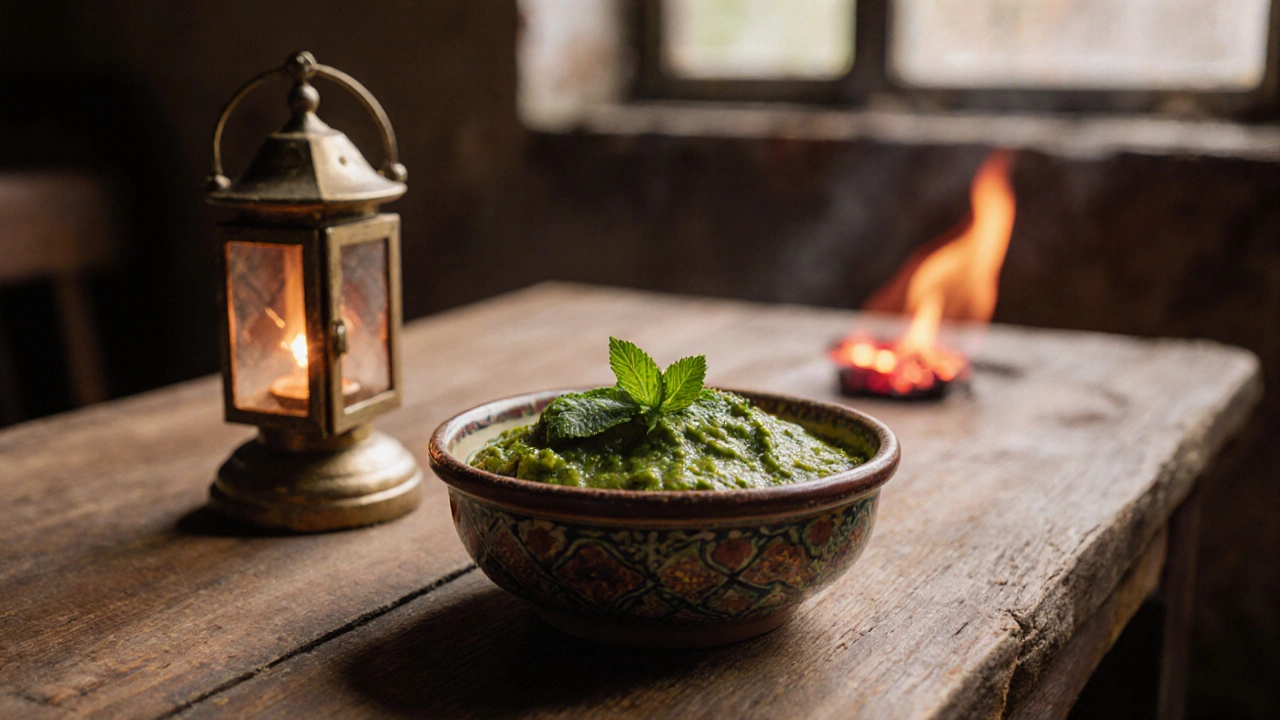
Chutney and Inflammation: Benefits, Risks & Anti‑Inflammatory Recipes
Discover if chutney can fight inflammation, the science behind its spices, how to boost its health benefits, and a quick anti‑inflammatory recipe.