Banned Meats in India: What’s Off-Limits and Why
When it comes to food in India, not all meats are treated the same. The banned meats in India, meats prohibited by law or religious custom across large parts of the country. Also known as restricted animal proteins, these restrictions aren’t about taste—they’re rooted in deep cultural, religious, and legal traditions that shape everyday meals. You won’t find beef on most menus outside of a few states, and pork is avoided in many households, not because it’s bad, but because it doesn’t fit the rules many live by.
Why? For millions of Hindus, cows are sacred. They’re seen as mothers, providers of milk, and symbols of life. Killing a cow is illegal in over 20 states, and even where it’s not banned by law, social pressure makes it rare. This isn’t just about religion—it’s about identity. In Muslim communities, pork is strictly forbidden under Islamic dietary law, and while not banned by the government, it’s simply not sold or eaten in most areas. These aren’t random rules. They’re woven into how people shop, cook, and share food. Even restaurants that serve chicken or fish often avoid cross-contamination to respect all customers. And while beef is the most talked-about banned meat, it’s not the only one. In some regions, dog meat or certain game meats are also avoided, not because of law, but because of local customs.
What does this mean for you? If you’re traveling or cooking at home, knowing what’s off-limits helps you avoid awkward situations—or worse, offending someone. You don’t need to follow these rules, but understanding them makes eating in India easier, safer, and more respectful. You’ll see why dal and chana masala are so common, why paneer is everywhere, and why even non-vegetarian dishes stick to chicken, goat, or fish. The beef ban in India, a legal and cultural barrier to consuming cow meat. Also known as cow slaughter prohibition, it influences everything from street food stalls to hotel menus. Meanwhile, the pork avoidance in India, a religious practice followed by Muslims and some Hindu communities. Also known as Islamic dietary restriction, it shapes supply chains and ingredient choices across the country. These aren’t just food preferences—they’re social contracts. And that’s why the recipes you’ll find here focus on what’s allowed: fresh, flavorful, and deeply rooted in what millions eat every day.
Below, you’ll find real recipes, practical tips, and clear explanations about how to cook delicious Indian meals without ever touching a banned meat. Whether you’re looking for vegan options, chicken curries, or goat dishes, everything here works within the rules that guide Indian kitchens. No guesswork. No confusion. Just food that fits.
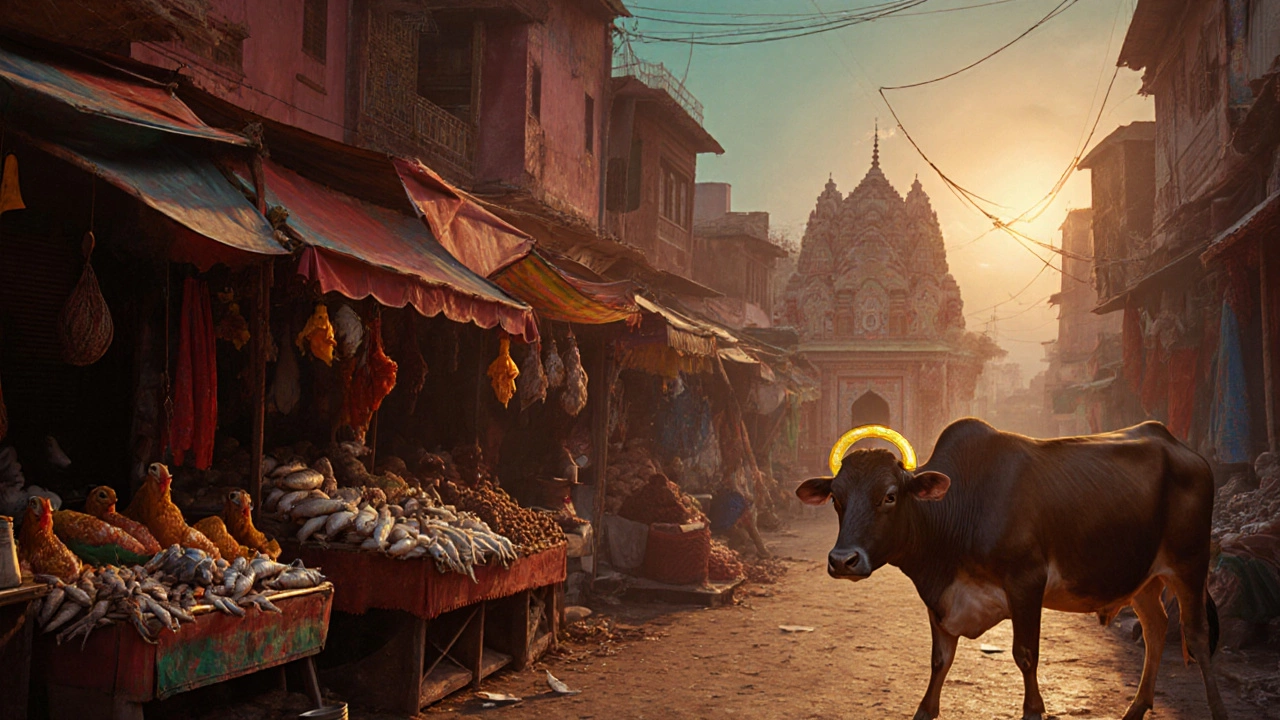
Banned Meats in India: Complete List & Legal Details
Discover which meats are illegal in India, why they’re banned, and how state laws differ. Get a clear list, legal reasons, penalties, and practical tips for travelers and food businesses.