Basmati Rice for Biryani: Best Types, Tips, and Why It Matters
When you’re making basmati rice for biryani, a long-grain aromatic rice native to the Indian subcontinent, known for its slender shape, fragrant aroma, and ability to stay separate when cooked. Also known as Indian basmati, it’s the only rice that gives biryani that signature light, fluffy texture and distinct scent that lingers after the pot is opened. You can’t substitute regular white rice or even jasmine rice and expect the same result. Basmati isn’t just a grain—it’s the foundation of the dish.
What makes it special? The grains are naturally longer and narrower than other rices, and they expand up to twice their length when cooked. That’s why your biryani ends up with individual, non-sticky grains that hold up to spicy gravies and layered meats. The aroma? That’s from 2-acetyl-1-pyrroline, a compound found in higher concentrations in aged basmati. Most home cooks skip aging, but if you can find rice aged 1–2 years, you’ll notice the difference immediately. Look for labels like "Premium Basmati" or "Extra Long Grain"—these usually mean better quality. Brands from Punjab, Haryana, or Uttar Pradesh tend to be more authentic than generic imports.
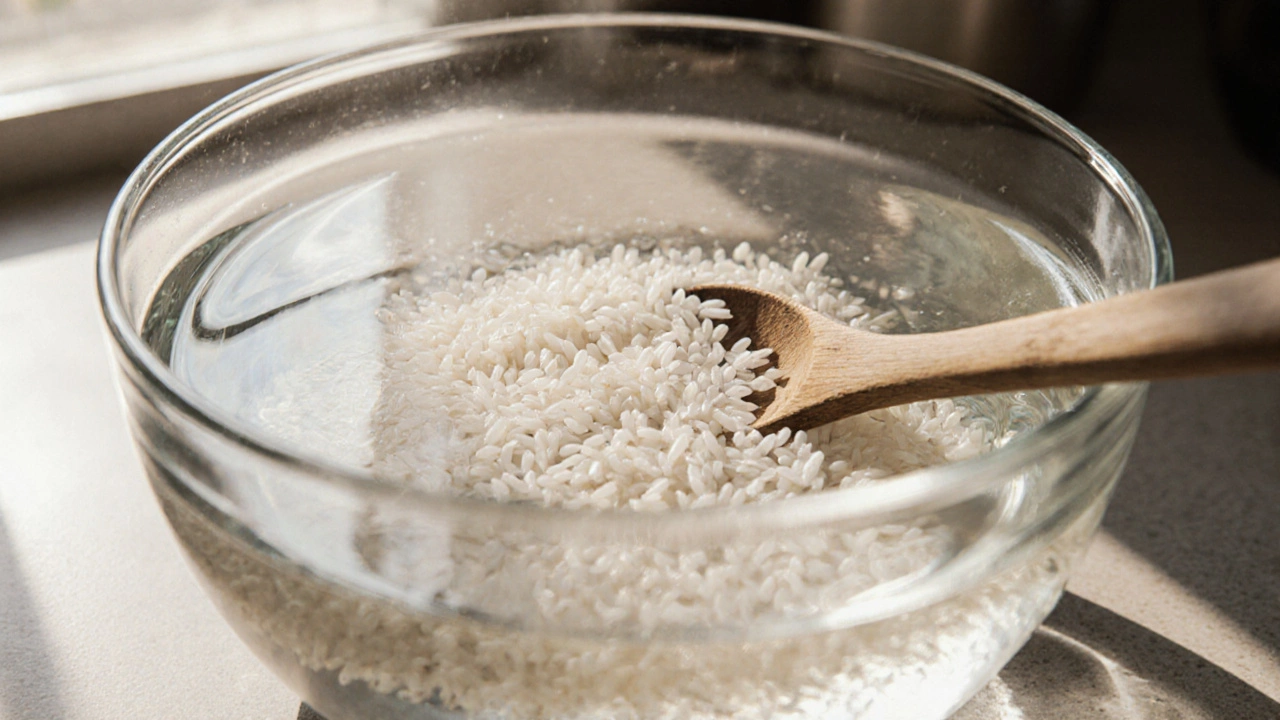
It’s not just about the rice itself. How you prepare it matters too. Rinse it until the water runs clear—this removes excess starch and keeps the grains separate. Soak it for 20–30 minutes before cooking. That step lets the grains absorb water evenly, so they cook uniformly without turning mushy. And never boil it until fully done. Parboil it to about 70%—it’ll finish cooking in the biryani pot with the spices and meat, absorbing all the flavor without falling apart.
You’ll find posts here that talk about how to make perfect biryani from scratch, how to layer rice and meat for maximum flavor, and even how to fix a soggy biryani. But none of that works if your rice is the wrong kind. This collection gives you real, tested tips from people who’ve made biryani dozens of times—some using heirloom basmati, others with budget-friendly options. You’ll learn how to spot fake basmati, how to store it right, and why some cooks swear by aged rice while others use fresh. There’s no magic trick, just smart choices.
Whether you’re cooking for a family dinner or trying to recreate that roadside biryani from Delhi, getting the rice right changes everything. The rest of the recipe? It’s just seasoning. The rice? That’s the soul of the dish.
Perfect Biryani Rice Boiling Time: Step‑by‑Step Guide
Learn the exact boiling time for biryani rice, from soaking to the final dum step. Follow step‑by‑step timing, ratio tips, and common fixes for perfect, fluffy biryani every time.