Biryani Rice Cooking Time: How Long to Cook Perfect Biryani Rice
When you're making biryani rice, the parboiled or basmati rice used in layered Indian rice dishes that require precise timing to avoid mushiness or undercooking. Also known as biryani rice grains, it's not just any rice—it's the foundation of one of India’s most loved meals. Get the cooking time wrong, and your biryani turns into a sticky mess. Get it right, and each grain stays separate, fragrant, and perfectly tender. The magic isn’t in the spices—it’s in the rice.
Most home cooks assume biryani rice needs 20 minutes of boiling. But that’s not quite right. The real trick is partial cooking. You don’t cook the rice all the way through before layering it with meat or veggies. You parboil it until it’s about 70% done—just soft enough to bend but still firm in the center. That usually takes 5 to 7 minutes in boiling salted water with a pinch of oil and a few whole spices like cardamom or bay leaf. Then, you drain it, spread it out to cool, and let it steam in the pot later with the rest of the biryani. This two-step method keeps the grains intact and lets them absorb flavor without turning to paste.
Not all rice behaves the same. Basmati rice, the classic choice, expands lengthwise and stays light. If you use regular long-grain rice, you’ll need less time—maybe 4 to 5 minutes. Short-grain rice? Skip it. It’s too starchy. And don’t skip rinsing. Washing the rice until the water runs clear removes excess starch, which is the #1 reason biryani rice turns gummy. Some cooks soak it for 30 minutes before boiling—it helps with even cooking, especially if your stove runs hot. But it’s not mandatory if you’re careful with timing.
Water ratio matters too. Use 1.5 cups of water for every cup of rice. Too much water? You’ll end up with boiled rice, not biryani rice. Too little? The grains won’t soften enough before layering. And always salt the water—it’s your only chance to flavor the rice from the inside. Don’t rely on the final dish to do it all.
There’s a reason biryani is called a dish of patience. The rice needs to rest after parboiling. Let it sit for 10 minutes off the heat, then fluff it gently with a fork. This lets steam escape and stops the grains from sticking. When you layer it in the pot, the residual heat finishes the job. That final steam cook takes another 15 to 20 minutes on low, covered tight. That’s when the magic happens—the rice absorbs the aromas, the meat juices, the saffron, the fried onions. It’s not cooking anymore. It’s infusing.
You’ll find posts here that show you how to make biryani rice with a pressure cooker, in a pot, even in the oven. Some use soaked rice, others don’t. Some add turmeric for color, others swear by saffron milk. But they all agree on one thing: timing is everything. Too short, and you bite into hard grains. Too long, and you lose the texture that makes biryani special. This collection gives you the real-life methods—no theory, no fluff—just what works in kitchens across India, from Delhi to Chennai.
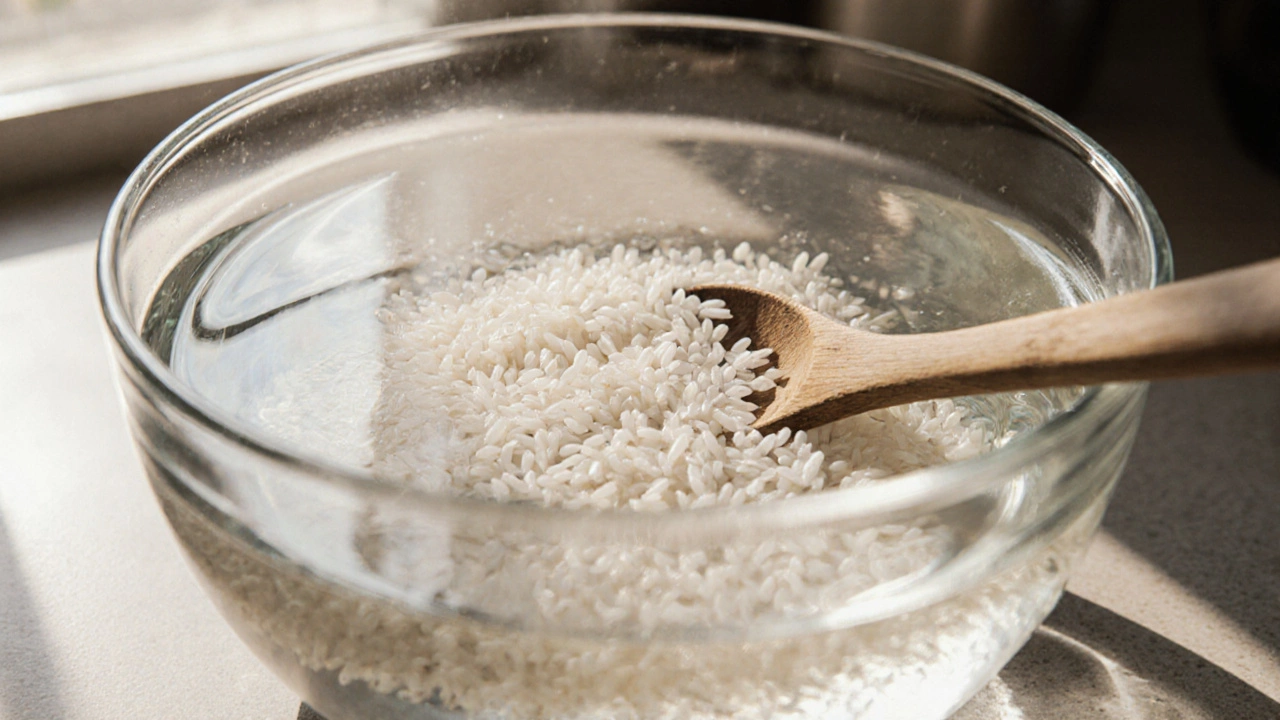
Perfect Biryani Rice Boiling Time: Step‑by‑Step Guide
Learn the exact boiling time for biryani rice, from soaking to the final dum step. Follow step‑by‑step timing, ratio tips, and common fixes for perfect, fluffy biryani every time.