Biryani Variations: Regional Recipes, Rice Tips, and Flavor Secrets
When you think of biryani, a layered rice dish with meat, spices, and saffron, often cooked slowly in a sealed pot. Also known as biryani rice dish, it’s more than just a meal—it’s a tradition passed down through generations, with each region in India putting its own spin on the recipe. There’s no single way to make biryani. What’s called biryani in Hyderabad tastes nothing like the version made in Lucknow, and both are worlds apart from the Kolkata style. The differences aren’t just in spice levels—they’re in the rice, the cooking method, even the way the meat is prepared.
At the heart of every great biryani is the rice, long-grain basmati, soaked and parboiled to perfection before layering. Get this wrong, and your biryani turns mushy or dry. The dum cooking, the slow, sealed-pot steam method that locks in aroma and moisture is what turns good biryani into unforgettable. You don’t just cook it—you let the flavors marry over low heat, often with charcoal under the pot for that smoky finish. Then there’s the Hyderabadi biryani, a spicy, bold version with fried onions, mint, and layered meat and rice, versus the Lucknowi biryani, a milder, fragrant dish where the meat is cooked separately and gently folded into the rice. One is fiery and rich; the other is delicate and aromatic. Both are authentic. Both are loved.
What you’ll find in the posts below are real, tested ways to nail each version. Whether you’re struggling with rice that won’t stay separate, wondering why your biryani lacks depth, or just curious how a Bengali biryani uses boiled eggs and potatoes, the answers are here. No guesswork. No fluff. Just clear steps, timing tricks, and the why behind each move—so you can make biryani that tastes like it came from a home kitchen in India, not a restaurant menu.
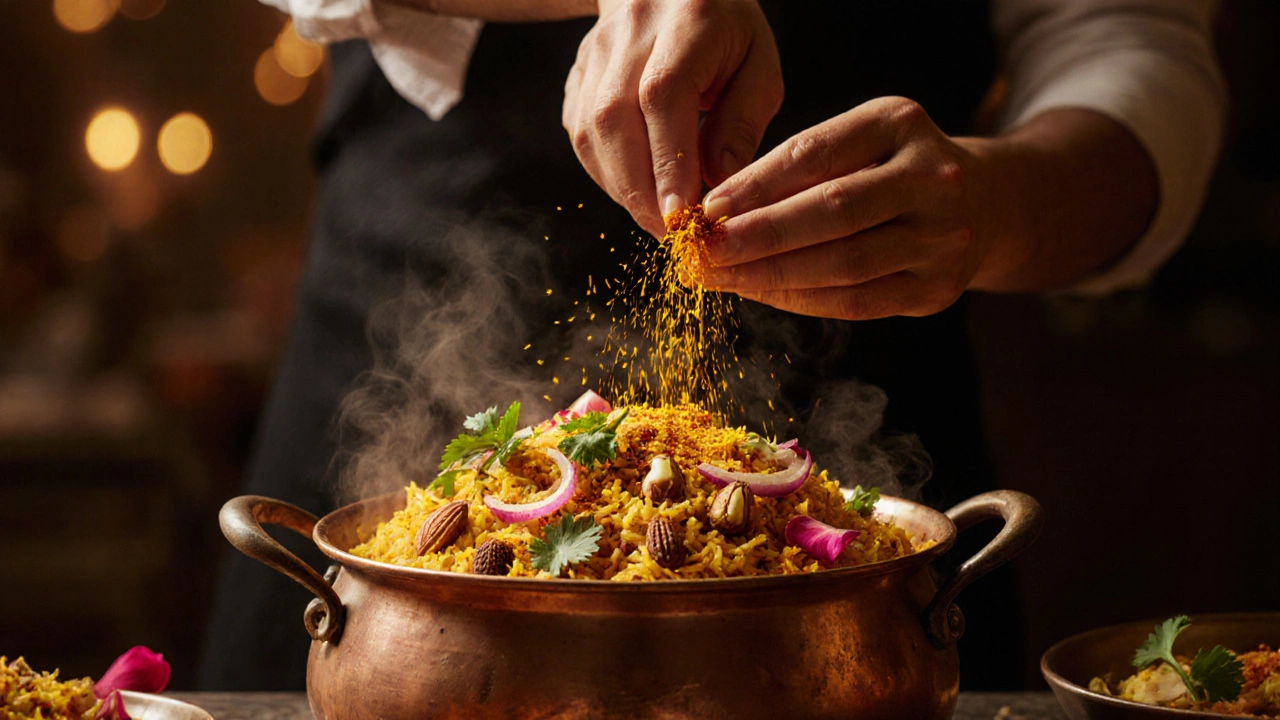
Creative Ways to Make Biryani More Interesting - Tips & Twists
Discover fresh tricks to turn ordinary biryani into a show‑stopper with spices, textures, garnish ideas and regional twists for an unforgettable meal.