Black Cardamom: How This Bold Spice Shapes Indian Flavors
When you think of cardamom, you might picture sweet chai or desserts—but black cardamom, a smoky, earthy spice with a bold, camphorous aroma used in savory Indian dishes. Also known as big cardamom or kali elaichi, it’s not just a stronger version of green cardamom—it’s a completely different ingredient with its own role in the kitchen. While green cardamom adds floral sweetness, black cardamom delivers a deep, almost smoky punch, like a whisper of campfire in your curry. You’ll find it in slow-cooked biryanis, rich meat stews, and even some lentil dals where it adds complexity without overpowering.
It’s often used whole, cracked open just before cooking to release its oils, and then removed before serving—like a bay leaf in a soup. This isn’t a spice you grind into powder; it’s a whole spice that works best when simmered slowly. That’s why it shows up in garam masala, a traditional Indian spice blend that varies by region but always includes warming spices like cinnamon, cloves, and black cardamom. It’s also key in tandoori marinades, where its smokiness balances the yogurt and chili heat. Unlike green cardamom, which you might sprinkle on rice or sweets, black cardamom is almost always savory. You won’t find it in Indian desserts—unless someone’s experimenting.
Some cooks skip it because it’s harder to find or seems too intense, but that’s like leaving out garlic in a pasta sauce. It’s not the star, but without it, the dish feels flat. If you’ve ever tasted a biryani that felt mysteriously deep and earthy, that’s black cardamom at work. It’s the quiet backbone of many North Indian and Bengali dishes, and it’s why your favorite roadside dhaba curry tastes so much better than the one you made at home.
What you’ll find in the posts below are real, tested ways this spice shows up in everyday Indian cooking—from how to use it in paneer recipes without masking its flavor, to why some chefs toast it before grinding, and how to tell if your batch is still fresh. You’ll see how it pairs with other whole spices, when to add it in the cooking process, and even how to store it so it doesn’t lose its smoky edge. This isn’t about theory. It’s about what works in your pot, on your stove, and in your kitchen.
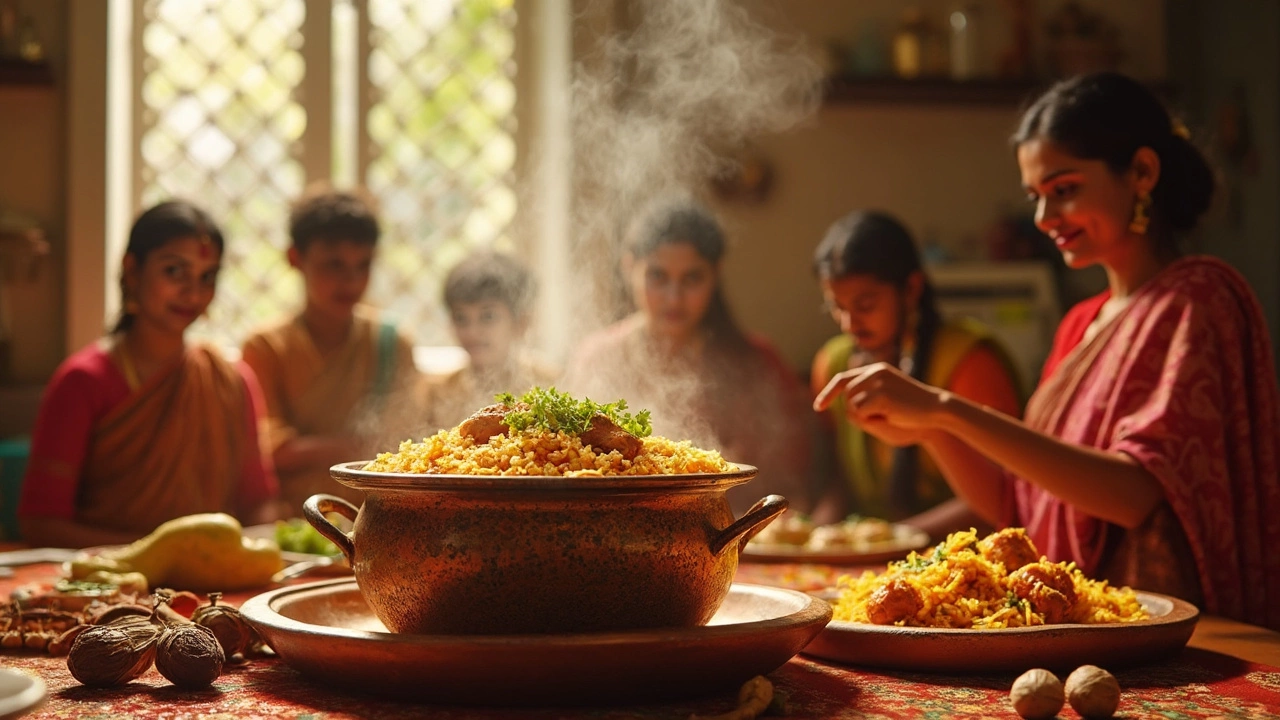
Biryani Recipe: What’s the Small Black Thing in Biryani?
Ever wondered what that small black thing is hiding in your biryani? It's not burnt rice, and it's definitely not something to toss aside. This article breaks down the mystery ingredient, explains why it’s there, and shares simple tips on enjoying your biryani without missing out on the authentic flavor. Get ready for some fun facts and helpful cooking advice, whether you’re making or just eating this classic dish. You'll never see biryani the same way again.