Black Thing in Biryani: What It Is and Why It Shows Up
That dark spot or streak you see in your biryani? It’s not mold, it’s not dirt, and it’s not a cooking disaster—most of the time, it’s just burnt rice, the result of rice sticking to the bottom of the pot during the dum cooking process. This happens when moisture evaporates too fast, or the heat’s too high at the base. It’s common in traditional biryani cooking, especially when using a heavy pot on a gas flame. In some regions, people even prize a little bit of it—the crispy, caramelized layer called tahdig, a Persian term for the golden crust that forms at the bottom of rice dishes. In India, we call it kari, the slightly charred, flavorful rice that sticks to the pot. It’s not a mistake—it’s a texture.
But not all black bits are the same. If you see small, hard, charcoal-like pieces scattered through the rice, that’s likely burnt spices, especially whole cloves, black cardamom, or bay leaves that got too close to the heat. These spices are essential for flavor, but if they’re not tied in a cloth or removed before the final cook, they can scorch. Sometimes, it’s just caramelized onions, deep brown or almost black bits that form when you fry them slowly for hours. That’s not a problem—it’s flavor concentration. The real issue is if the whole pot’s black, the rice tastes bitter, or you find hard, ashy chunks. That’s overcooking.
So how do you avoid the bad kind of black? Start with good rice—basmati rice is the gold standard. Rinse it until the water runs clear, soak it for 20 minutes, and par-boil it just until it’s 70% cooked. Don’t skip this step. Then, layer it carefully in your pot with meat and spices. Use a heavy-bottomed pot, and place a heat diffuser under it if you’re on gas. Seal the lid with dough or foil to trap steam. Keep the heat low during the dum phase. If you’re using a pressure cooker, don’t rush it—let it release naturally. And always check the bottom before serving. A little crisp is okay. A whole layer of charcoal? That’s a sign to adjust your technique next time.
You’ll find plenty of tips in the posts below—from how to boil biryani rice perfectly, to why layering matters, to how to fix common mistakes without starting over. Some of these recipes even show you how to turn that black bit into a bonus, not a bug. Whether you’re making Hyderabadi, Lucknowi, or Kolkata-style biryani, the goal is the same: fragrant rice, tender meat, and a flavor that lingers. Don’t fear the black. Understand it. Then cook it right.
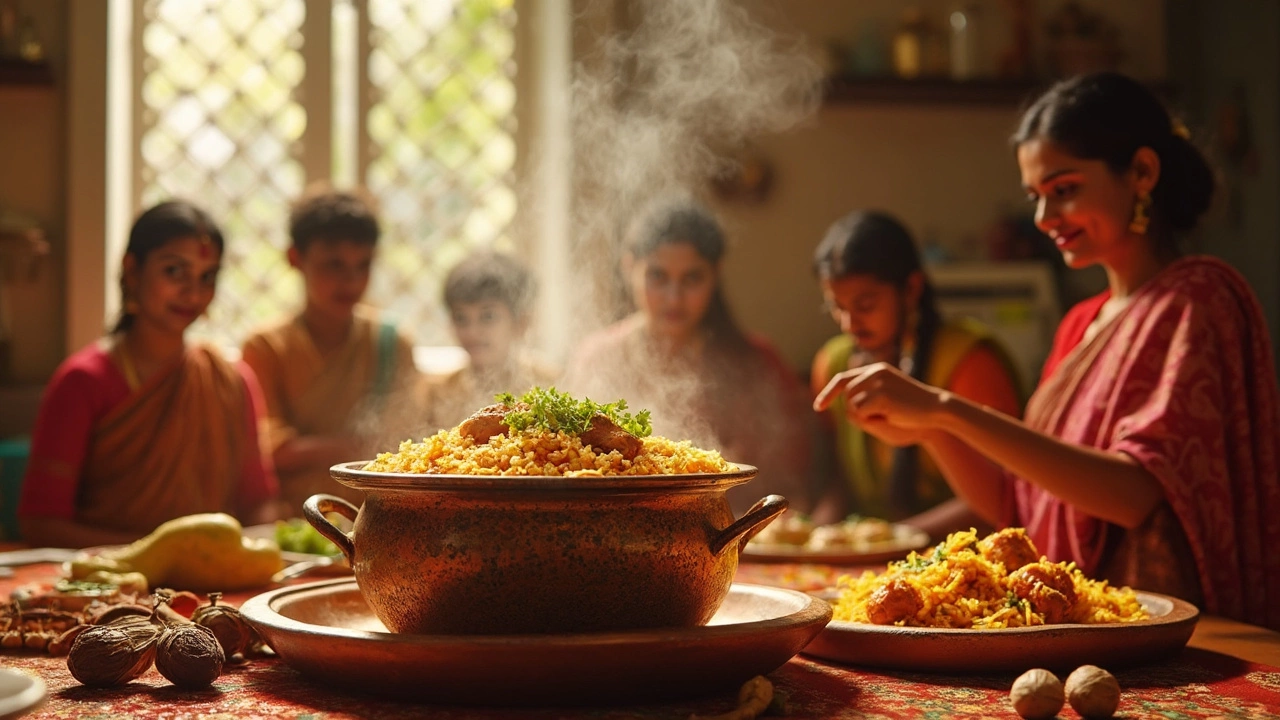
Biryani Recipe: What’s the Small Black Thing in Biryani?
Ever wondered what that small black thing is hiding in your biryani? It's not burnt rice, and it's definitely not something to toss aside. This article breaks down the mystery ingredient, explains why it’s there, and shares simple tips on enjoying your biryani without missing out on the authentic flavor. Get ready for some fun facts and helpful cooking advice, whether you’re making or just eating this classic dish. You'll never see biryani the same way again.