British Chutney: What It Is, How It's Used, and Why It Fits Indian Kitchens
When you hear British chutney, a sweet-tangy condiment made from fruit, vinegar, sugar, and spices, often associated with British colonial history. Also known as fruit chutney, it's not just a side for cheese—it's a flavor tool that crossed borders and changed how Indians think about preserve. Unlike the spicy, fresh chutneys you make at home with mint or tamarind, British chutney is slow-cooked, shelf-stable, and packed with dried fruit and brown sugar. It’s the kind of thing that sits in a jar on your pantry shelf for months, waiting to be paired with a cold roast or a sharp cheddar.
But here’s the twist: Indian chutney, a vibrant, often raw or lightly cooked condiment made with fresh herbs, spices, and fruits like coconut, coriander, or mango. Also known as green chutney, it’s meant to be eaten fresh and adds brightness to meals has been doing this for centuries. So why did British chutney stick around in India? Because it’s not about replacing Indian chutney—it’s about adding another layer. British chutney brings depth. It’s the jammy, caramelized counterpart to the zippy, herbal ones. You’ll find it in homes where grandmas keep a jar next to the mango pickle, and kids use it on sandwiches instead of ketchup.
The real connection? Chutney preservation, the method of canning or bottling chutney to extend its shelf life using heat, acidity, and sugar. Also known as chutney canning, it’s the science behind why your jar doesn’t go bad. Whether you’re making a British-style apple chutney or a spicy Indian tomato one, the rule is the same: jar it hot. That’s not just tradition—it’s safety. Heat kills mold spores, seals the lid, and locks in flavor. That’s why the post about chutney jar hot or cold isn’t just a tip—it’s a rule you can’t ignore if you want your chutney to last.
And it’s not just about storage. British chutney and Indian chutney are both answers to the same question: how do you make food taste better, longer? One uses vinegar and sugar. The other uses lemon and green chili. Both use time. Both use patience. Both are made in kitchens, not factories. That’s why you’ll find posts here about chutney vs jam—because people are confused. Jam is sweet, smooth, for toast. Chutney is bold, chunky, for curry. They look alike, but they don’t play the same role.
What you’ll find in the posts below isn’t just recipes. It’s the story of how a British colonial condiment got tangled up in Indian food culture—and why it still belongs there. You’ll learn how to make it, how to store it, and how to use it with everything from dal to grilled cheese. No fancy tools. No hard-to-find ingredients. Just real food, made real. And if you’ve ever wondered why your aunt keeps that jar of dark, sticky chutney in the cupboard? Now you know.
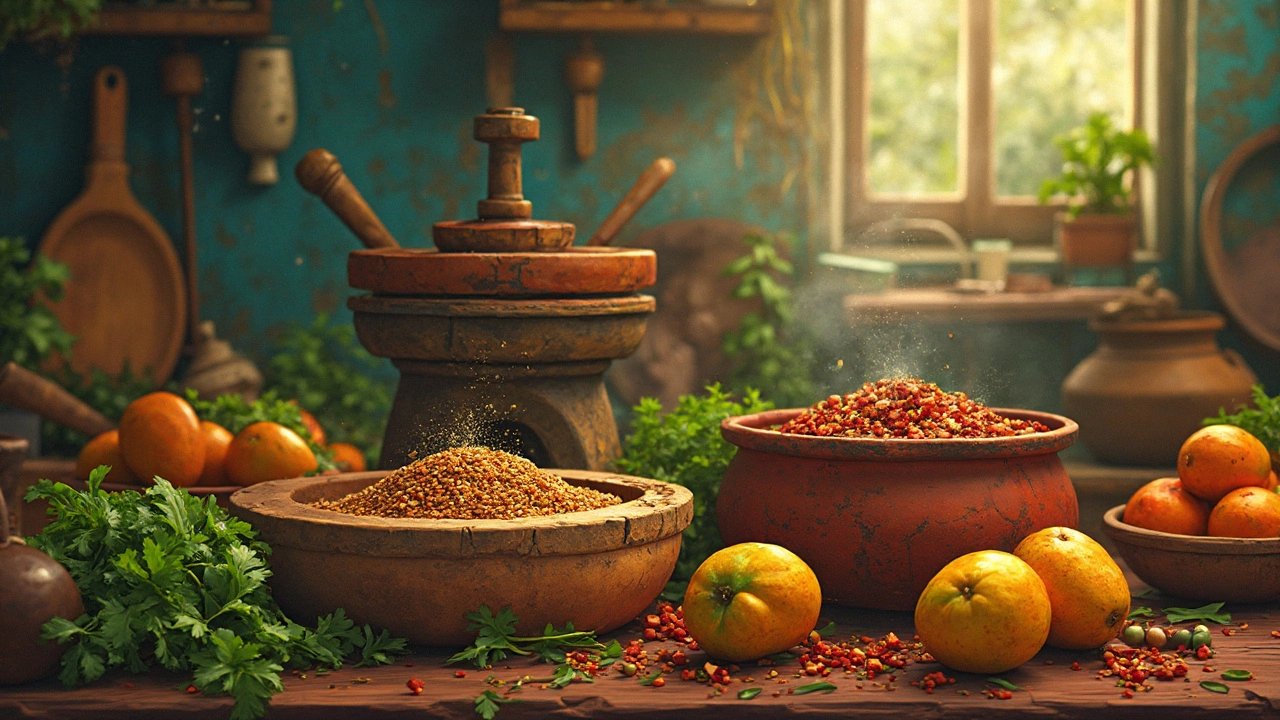
Understanding the Distinct Flavors of Indian and British Chutney
Chutney, a delightful condiment, differs significantly between Indian and British culinary traditions. Indian chutneys are diverse, often spicy, and served fresh, while British chutneys lean towards sweet and tangy, made with cooked fruit and vinegar. This article explores the backgrounds and flavors, offering tips for crafting these unique condiments. Whether you're a fan of heat or mildness, there's a chutney to suit every palate.