Caribbean Cuisine: Flavors, Ingredients, and How It Connects to Indian Cooking
When you think of Caribbean cuisine, a vibrant mix of African, Indigenous, and colonial influences centered around bold spices, tropical fruits, and slow-cooked meats. Also known as island cooking, it’s defined by fiery jerk spices, sweet plantains, and coconut-rich stews that taste like sunshine and sea salt. It might seem far from the tandoor ovens and dal pots of India, but the two share more than you’d expect. Both rely on layered spice blends, fermentation for depth, and the smart use of coconut milk to balance heat and richness.
Take jerk seasoning, a fiery mix of allspice, Scotch bonnet peppers, thyme, and garlic used to marinate meats in Jamaica. It’s not so different from Indian tandoori masala, which uses cumin, coriander, garam masala, and chilies to create its signature punch. Both are dry rubs that cling to protein, char on high heat, and leave behind a smoky, complex crust. And if you’ve ever made paneer in yogurt or marinated chicken in coconut milk for a curry, you’re already halfway to understanding Caribbean cooking. Coconut milk isn’t just for Thai food—it’s a base in Caribbean rice and peas, just like it is in South Indian curries like Kerala fish curry. The difference? Caribbean versions often add lime and scotch bonnet; Indian ones lean on curry leaves and mustard seeds.
Then there’s the humble plantain, a starchy, banana-like fruit fried, boiled, or grilled as a side or main. It’s the Caribbean’s answer to roti or rice—a filling, neutral base that soaks up bold sauces. In India, you might eat ripe plantains as a sweet snack; in the Caribbean, they’re fried green and served with beans or grilled fish. Both cultures know how to turn simple ingredients into satisfying meals. You’ll also find similar techniques: slow-simmered beans, pickled onions, and chutney-like condiments made from mango or pineapple. The Caribbean calls it salsa or relish; in India, we call it chutney. Same purpose: cut through richness, add brightness, and tie the plate together.
What ties it all together? A deep respect for fresh, local ingredients and the patience to let flavors develop. Caribbean cooks don’t rush their stews. Indian home chefs don’t skip soaking their dal. Both know that flavor isn’t added—it’s built. That’s why you’ll find posts here about making perfect paneer without lemon, preserving chutney hot for safety, or using turmeric to fight inflammation. These aren’t random recipes—they’re part of a global conversation about how to cook with intention, using what’s at hand.
Below, you’ll find real, tested tips from home cooks who’ve connected these worlds—whether they’re swapping lime for lemon in paneer, using coconut milk in a curry, or learning why slow-cooked beans taste better the next day. No fancy tools. No exotic trips. Just smart, simple cooking that works in any kitchen.
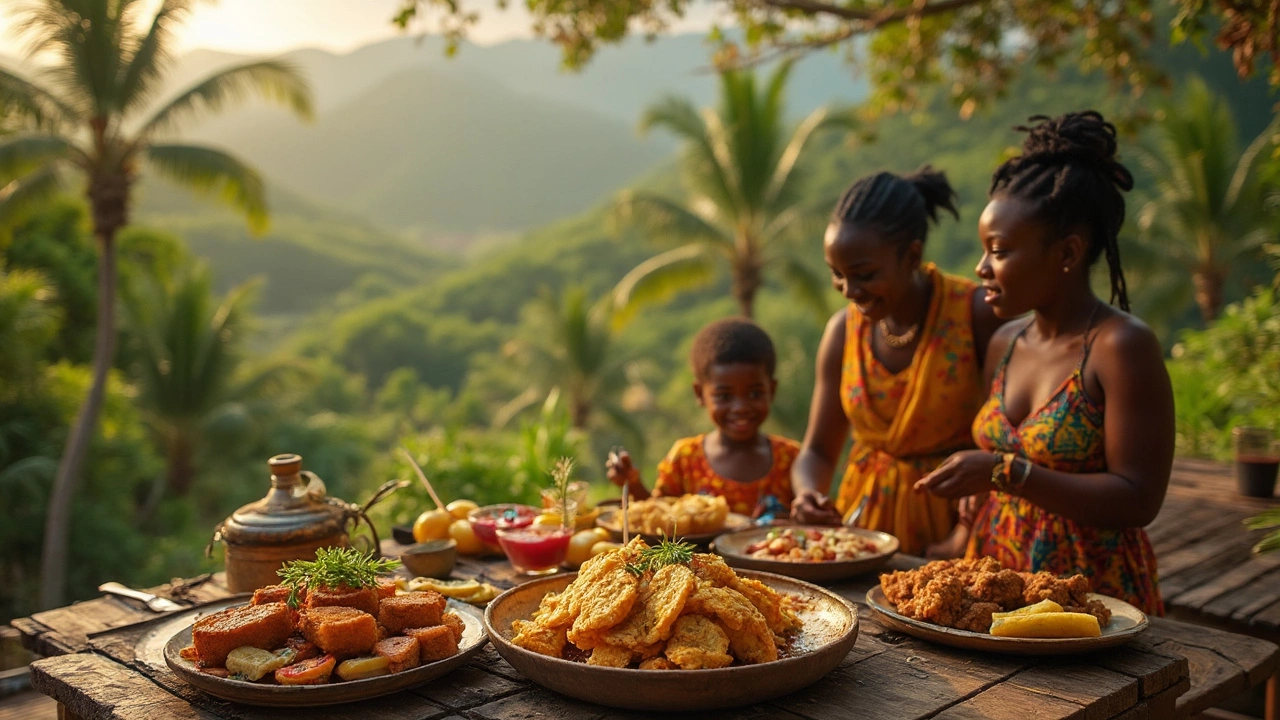
What Do West Indians Eat for Breakfast: A Tasteful Journey
West Indian breakfast dishes are a vibrant mix of flavors influenced by the rich cultural diversity of the Caribbean region. From simple dishes like bakes and saltfish to hearty meals of ackee and plantain, these breakfasts offer a delightful start to the day. Exploring the traditional morning meals of the West Indies gives insight into the culinary traditions and lifestyles of the Caribbean people. Discover how these dishes are prepared, and learn about interesting facts and tips for enjoying a true West Indian breakfast experience.