Cheese for Paneer: What It Is, How It’s Made, and Better Alternatives
When people ask for cheese for paneer, a fresh, unaged Indian cheese made by curdling milk with acid. Also known as Indian cottage cheese, it doesn’t melt like cheddar or stretch like mozzarella—it holds its shape, absorbs flavors, and turns golden when fried. This is the cheese that makes palak paneer, paneer tikka, and kadai paneer possible. But here’s the thing: paneer isn’t cheese in the Western sense. It’s not aged. It’s not pressed with cultures. It’s not made with rennet. It’s milk, heat, and acid—simple, fast, and done in under an hour.
Most recipes tell you to use lemon juice. But what if you don’t have lemon? Or what if your paneer turns out grainy or too soft? That’s where vinegar, a common household acid used to curdle milk for paneer. Also known as white distilled vinegar, it’s just as effective as lemon and often more predictable. Or maybe you’ve tried citric acid powder—another option that gives you clean, firm curds without any tangy aftertaste. These aren’t just substitutes. They’re tools. And knowing which one to use changes everything.
Then there’s the milk. Whole milk works best. Skim milk? You’ll get crumbly, dry paneer. Pasteurized milk? Fine. Ultra-pasteurized? Avoid it—it won’t curdle properly. And the pressing? Don’t skip it. A heavy weight for 30 minutes turns soft curds into a solid block you can slice, cube, or grill. This isn’t magic. It’s technique.
People think paneer is hard to make. It’s not. But they also think it’s just like ricotta or feta. It’s not. It’s denser. Less watery. More neutral in flavor, which is why it soaks up spices like a sponge. That’s why it’s the star in so many Indian dishes—from creamy kormas to spicy street food snacks.
You’ll find posts here that show you how to make paneer without lemon, how to fix grainy texture, how to store it so it stays soft for days, and even what to do if your milk doesn’t curdle at all. These aren’t theory pieces. They’re fixes for real kitchen problems. The kind you run into when you’re halfway through dinner and realize your paneer fell apart in the pan.
And if you’re wondering why some recipes call for yogurt or buttermilk to make paneer—yes, that works too. It’s slower, but it gives a slightly sweeter, milder result. Every method has trade-offs. You just need to know what you’re aiming for.
This collection doesn’t just give you recipes. It gives you control. Control over texture. Control over flavor. Control over what goes into your food. No more guessing. No more wasting milk. Just clear, simple steps that work—whether you’re making paneer for the first time or the fiftieth.
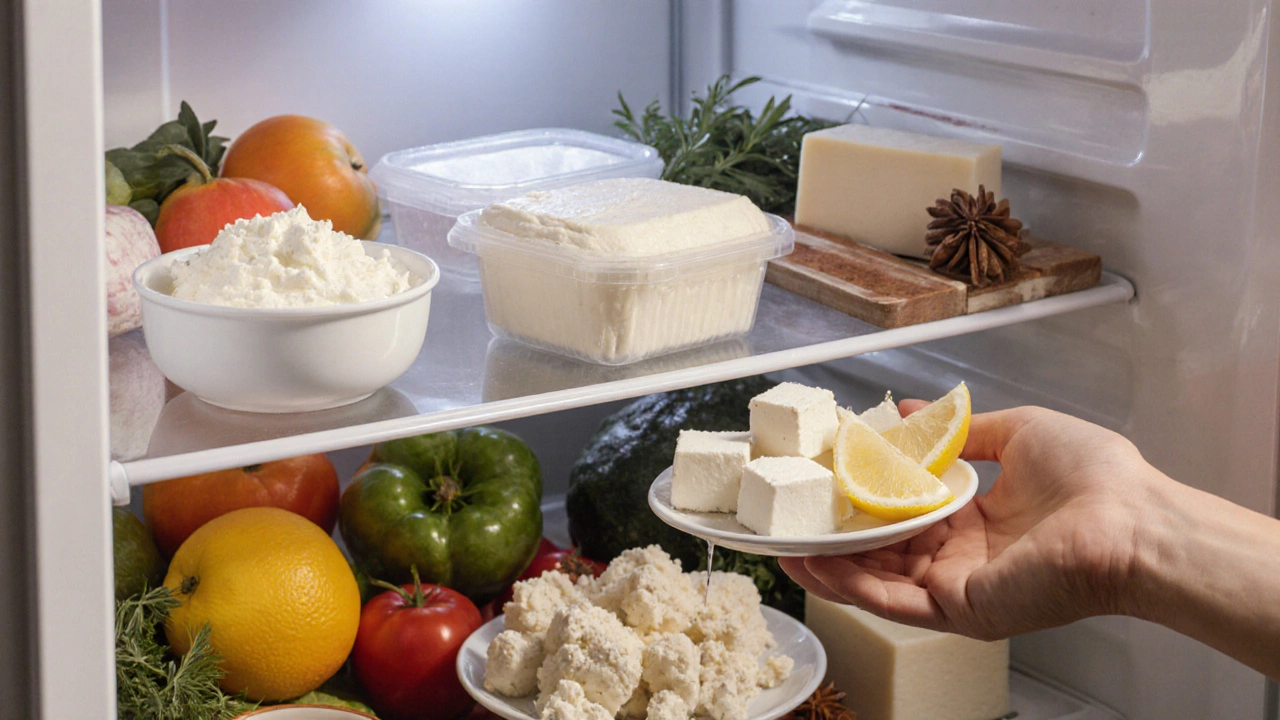
Best Cheeses to Use Instead of Paneer
Discover the best cheeses to replace paneer, from ricotta to halloumi, with tips, a comparison table, and quick recipes for Indian dishes.