Chicken Curry Basics: Simple Steps, Key Ingredients, and Common Mistakes
When you think of chicken curry, a rich, spiced Indian dish made with tender chicken, onions, tomatoes, and aromatic spices. It’s not just one recipe—it’s a family of flavors shaped by region, heat, and tradition. This isn’t the same as British-style curry or Thai red curry. Indian chicken curry is built on a base of fried onions, garlic, ginger, and a blend of whole and ground spices that bloom in oil. The magic happens when you let those spices toast just right—too little, and it’s flat; too much, and it’s bitter.
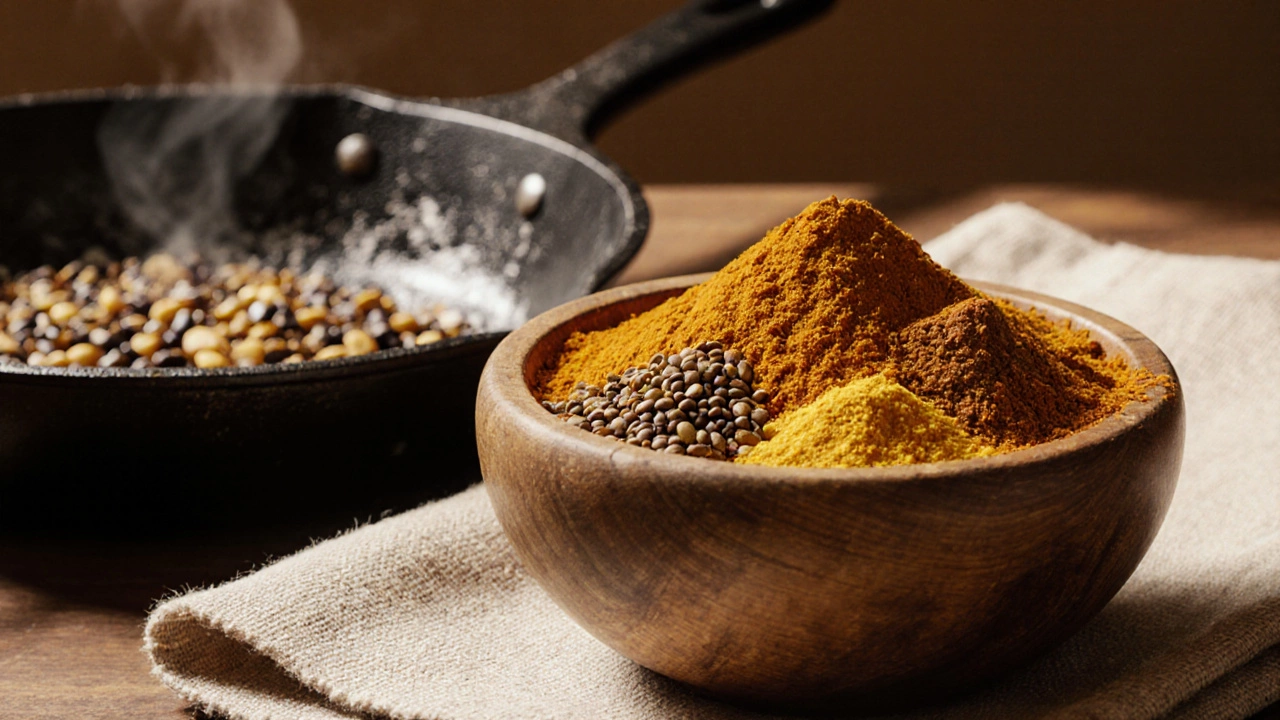
The curry base, the foundation of most Indian curries made by sautéing aromatics and spices before adding liquid is what separates good from great. Most home cooks skip the step of frying spices in oil, thinking it’s optional. It’s not. Cumin, coriander, turmeric, and red chili powder need heat to release their oils. Add them raw to water or tomato puree, and you’ll taste nothing but dust. Then there’s the chicken curry spices, the core blend of ground spices used in Indian chicken curries, typically including cumin, coriander, turmeric, garam masala, and chili. You don’t need 10 different powders. Five good ones, toasted right, do the job. Garam masala? Add it at the end. It’s a finishing touch, not a cooking spice.
People also overcomplicate the liquid. You don’t need cream or coconut milk to make a real Indian chicken curry. Water, tomato puree, and yogurt are all you need for depth. Yogurt adds tang and tenderizes the meat—just make sure it’s at room temperature. Cold yogurt curdles when it hits hot oil. And don’t rush the chicken. Brown it well before adding liquid. That sear? That’s flavor locked in. Skip it, and you’re just boiling chicken in spice water.
There’s a reason this dish shows up in every Indian kitchen—from Delhi to Kerala. It’s flexible, forgiving, and feeds a crowd. You can make it mild or fiery, creamy or thin, with onions or without. But the basics? Those never change. The spice blend. The oil fry. The slow simmer. Get those right, and you’ve got a curry that tastes like home.
Below, you’ll find real posts from home cooks who’ve cracked the code—how to fix a bland curry, what to do when it’s too spicy, why some recipes call for cashew paste, and how to store it so it tastes even better the next day. No fluff. Just what works.
Common Curry Ingredients Every Home Cook Should Know
Discover the essential spices, aromatics, and liquids that define a classic curry, with tips for chicken curry, dietary tweaks, and a step‑by‑step guide.