Chutney Differences: What Sets Indian Chutneys Apart from Jam and Sauces
When you think of chutney, a spicy, tangy, and savory condiment made from fruits, vegetables, or herbs, often cooked with vinegar, sugar, and spices. Also known as Indian relish, it's not just a side—it's the flavor booster that turns a simple meal into something unforgettable. But here’s the thing: most people mix it up with jam. They look similar—both are thick, spreadable, and often fruity. But chutney isn’t sweet for the sake of being sweet. It’s balanced. It’s sharp. It’s meant to cut through rich curries, crisp samosas, or fluffy roti. Jam? That’s for toast. Chutney? That’s for life.
That’s why chutney vs jam, a comparison of flavor profile, texture, and culinary purpose matters. Chutney uses vinegar or tamarind for tang, green chilies for heat, and spices like cumin or mustard seeds for depth. Jam uses sugar as the star and cooks fruit until it’s smooth. Chutney keeps chunks. It’s rustic. It’s loud. It’s made to be eaten with food, not spread on bread. And then there’s chutney preservation, the method of storing chutney safely for months using heat, acidity, and proper sealing. You don’t just pour it into a jar and call it done. Hot jarring kills bacteria. Cold jarring invites mold. That’s not a suggestion—it’s a rule. And if you’ve ever opened a jar of chutney that went bad, you know why this detail isn’t optional.
What you’ll find in these posts isn’t just recipes. It’s the real talk behind why some chutneys last a year and others turn sour in a week. Why coconut chutney stays fresh in the fridge for days, but mango chutney needs vinegar to survive. Why tomato chutney tastes better after a week, but coriander chutney is best the same day. You’ll learn how the ingredients change the game—tamarind vs lemon, jaggery vs sugar, roasted vs raw spices. You’ll see how texture affects use: smooth mint chutney for dosa, chunky onion chutney for vada. And you’ll understand why Indian kitchens don’t treat chutney like a condiment—they treat it like a living thing that needs care.
These aren’t just cooking tips. They’re cultural habits passed down through generations. The way you crush garlic for garlic chutney. The way you let it sit overnight. The way you seal the jar while it’s still steaming. That’s not tradition for tradition’s sake. It’s science wrapped in flavor. And if you want to make chutney that doesn’t just taste good—but lasts, smells right, and doesn’t make you sick—you need to know the differences. Not the fancy ones. The real ones.
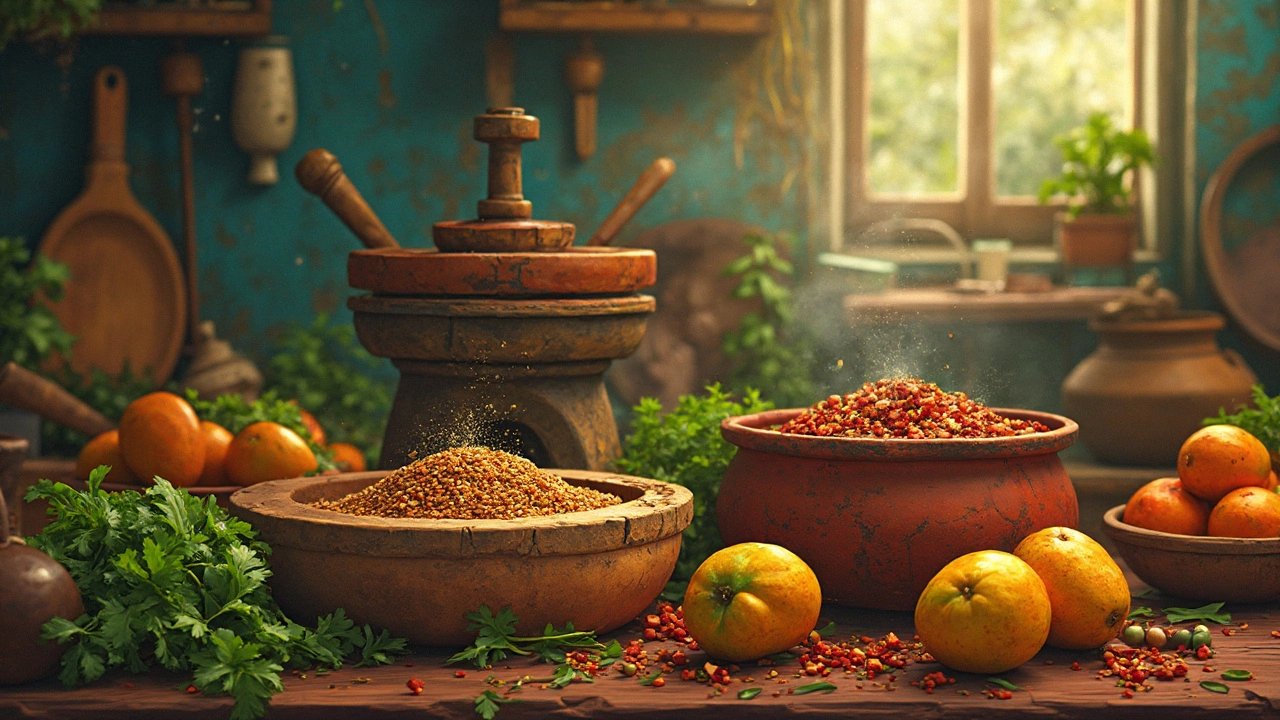
Understanding the Distinct Flavors of Indian and British Chutney
Chutney, a delightful condiment, differs significantly between Indian and British culinary traditions. Indian chutneys are diverse, often spicy, and served fresh, while British chutneys lean towards sweet and tangy, made with cooked fruit and vinegar. This article explores the backgrounds and flavors, offering tips for crafting these unique condiments. Whether you're a fan of heat or mildness, there's a chutney to suit every palate.