Common Curry Spices: What They Are, How They Work, and Why They Matter
When you think of common curry spices, the essential blend of ground seeds, roots, and pods that define Indian cooking. Also known as masalas, these spices aren’t just for heat—they’re the foundation of flavor, color, and even healing in everyday meals. You don’t need a fancy spice rack to cook authentic Indian food. Just a few key players—turmeric, cumin, coriander, mustard seeds, and red chili—do the heavy lifting in most home kitchens across India.
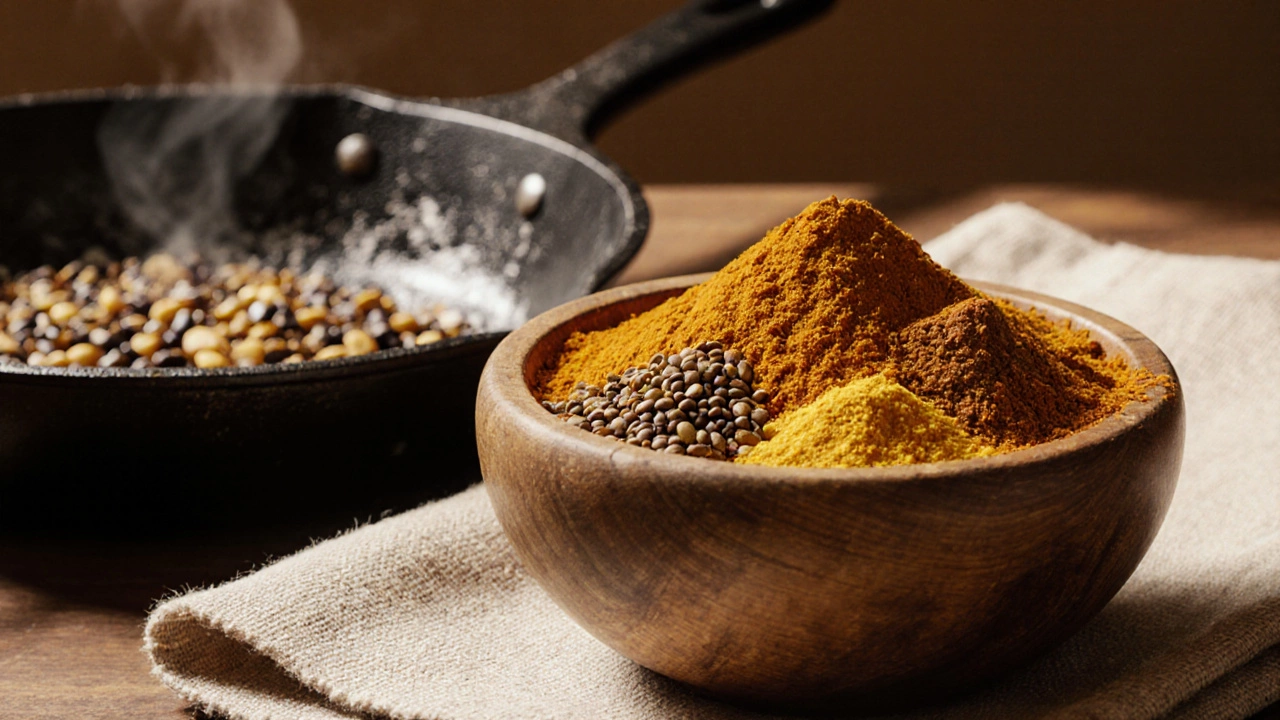
Turmeric, a bright yellow root with anti-inflammatory power, is the backbone of almost every curry. It’s not just for color—it’s what makes your dal smell like home. Cumin, toasted or ground, adds earthy depth and helps digest heavy ingredients like lentils and paneer. You’ll find it in everything from chutneys to biryani rice. And then there’s coriander, the seeds, not the leaves, that bring a citrusy warmth that balances out the heat. These three are the holy trinity. Skip one, and your curry feels flat.
It’s not magic—it’s science. Heat unlocks oils in cumin. Oil carries turmeric’s curcumin into your body. Acid from tomatoes or yogurt helps coriander release its fragrance. That’s why recipes tell you to fry spices in oil before adding liquid. It’s not a step—it’s the whole game. And that’s why you’ll see posts here about tandoori chicken, paneer recipes, and chutney preservation—all of them rely on these same spices, just in different ratios.
You don’t need to buy pre-mixed garam masala to get it right. Start with whole spices. Toast them. Grind them fresh. That’s the secret behind why restaurant curries taste deeper than yours. It’s not the amount—it’s the timing. The same spices that make tandoori chicken red and smoky also turn a simple dal into something comforting. They’re in the anti-inflammatory chutneys, the soaked lentils, the roti you eat with it.
These spices aren’t just flavor—they’re tradition, medicine, and memory in a jar. And in the posts below, you’ll find exactly how they’re used: in paneer recipes that skip lemon, in biryani rice that’s perfectly timed, in chutneys that last months without spoiling. No fluff. No guesswork. Just the real, practical ways these common curry spices make Indian food work—day after day, home after home.
Common Curry Ingredients Every Home Cook Should Know
Discover the essential spices, aromatics, and liquids that define a classic curry, with tips for chicken curry, dietary tweaks, and a step‑by‑step guide.