Cooking Chicken Curry
When you're cooking chicken curry, a spiced, slow-simmered dish built on aromatics, yogurt, and whole spices that define Indian home kitchens. Also known as chicken masala, it’s not just about heat—it’s about layering flavor until every bite feels balanced, warm, and deeply satisfying. This isn’t a one-pot wonder you throw together on a whim. Real chicken curry needs time, attention, and the right spices in the right order.
What makes it work? It’s the curry ingredients, the foundational trio of onions, garlic, ginger, and tomatoes, plus whole spices like cumin, cardamom, and cloves that bloom in oil before anything else. Then there’s the Indian curry spices, the ground powders—turmeric, coriander, cumin, chili—that turn the base into something unforgettable. You don’t just dump them in. You toast them, bloom them, let them marry with the chicken. And yes, yogurt or coconut milk? They’re not optional. They tame the heat, tenderize the meat, and give that creamy depth you can’t fake with cream.
People think chicken curry is just spicy chicken in sauce. But look closer—every region in India does it differently. In the north, it’s rich with cream and cashew paste. In the south, it’s tangy with tamarind and curry leaves. In the east, it’s subtle, with mustard oil and poppy seeds. The common thread? Freshness. No pre-made pastes. No shortcuts that kill the soul of the dish. That’s why you’ll find recipes here that teach you how to roast your own spices, how to know when the oil separates (that’s your signal to move on), and how to fix a curry that’s too thick or too thin.
You’ll also find tips on what to skip—like using powdered ginger instead of fresh, or skipping the onion fry. These aren’t just mistakes; they’re flavor killers. And if you’ve ever wondered why your curry tastes flat even when you followed a recipe? It’s probably because you didn’t let the spices sit in the oil long enough. Or you added water instead of stock. Or you didn’t let the chicken brown before simmering. These aren’t small details. They’re the difference between good and unforgettable.
Whether you’re new to Indian cooking or you’ve made curry a hundred times and still feel like something’s missing, this collection gives you the real tricks—not the ones you see on Instagram, but the ones grandmas and street vendors swear by. You’ll learn how to adjust spice levels without losing flavor, how to use leftover curry base for other dishes, and why letting it rest overnight isn’t optional—it’s essential. No fancy tools. No hard-to-find ingredients. Just clear, practical steps that work in any kitchen.
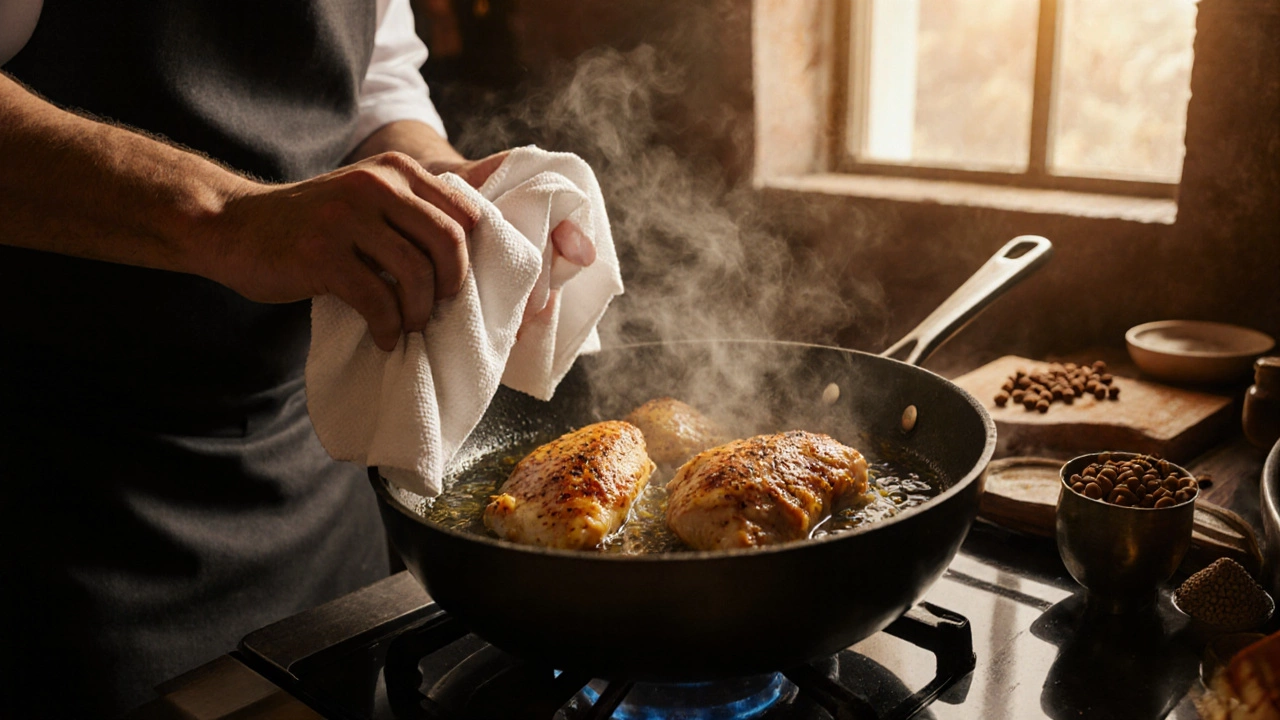
Can You Put Raw Chicken Into a Curry? The Safe, Simple Way to Cook It Right
Yes, you can put raw chicken into a curry-but only if you sear it first and cook it to 74°C. Learn the right way to add raw chicken for tender, flavorful results every time.