Curry Ingredients: What Makes Indian Curries Taste Like Home
When you think of curry ingredients, the essential spices and aromatics that form the foundation of Indian curries. Also known as curry spices, it's not one single spice—it's a carefully balanced mix that turns simple vegetables, meat, or lentils into something unforgettable. Most people assume curry is a single spice, but it’s really a symphony of flavors. In Indian kitchens, curry starts with a base of toasted cumin, coriander, and mustard seeds sizzling in hot oil. That’s when the magic begins—the smell fills the house, and you know dinner is going to be good.
The real soul of any curry comes from turmeric, a bright yellow root that adds earthy warmth and anti-inflammatory power. It’s the color, the aroma, and the health secret rolled into one. Then there’s cumin, a warm, nutty seed that gives depth and a slightly smoky bite. These two alone can transform plain dal or potatoes into something that feels like comfort in a bowl. Garlic, ginger, and green chilies don’t just add heat—they build layers. And don’t forget fenugreek leaves or seeds, which bring a bitter-sweet note that ties everything together. In South India, you’ll find curry leaves fried in oil first; in the North, garam masala gets stirred in at the end. Same dish, different soul.
What makes Indian curry ingredients special isn’t just what’s in them—it’s how they’re used. Toasting spices before adding liquid unlocks oils you can’t get by just stirring powder into water. Slow cooking lets flavors meld. A pinch of sugar balances heat. A splash of tamarind adds tang. These aren’t tricks—they’re traditions passed down through generations. You don’t need fancy tools or imported ingredients. Just fresh spices, a little patience, and a good stove.
Look at the recipes here: from paneer cooked with just five spices to tandoori chicken that relies on yogurt and cumin for its punch. You’ll see how the same curry ingredients show up again and again—not because they’re trendy, but because they work. Whether you’re making a simple dal or a rich biryani, the foundation stays the same. Master these core elements, and you can cook any Indian curry without a recipe.
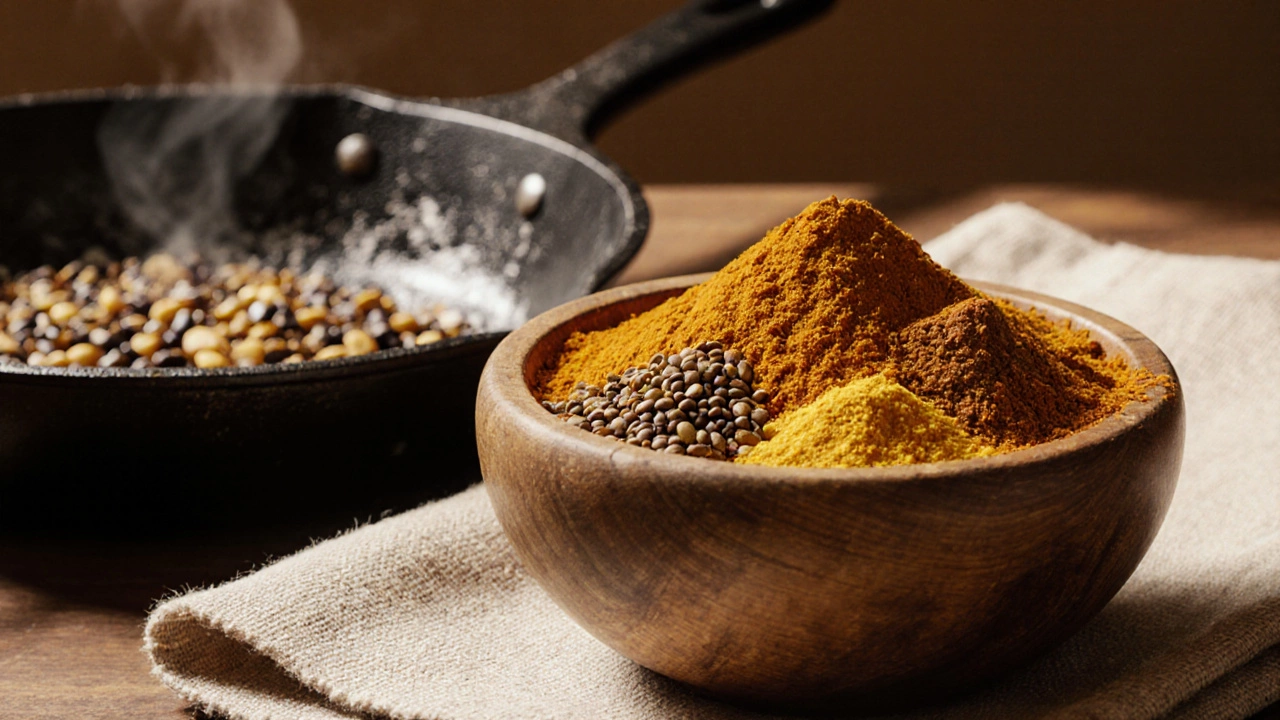
Common Curry Ingredients Every Home Cook Should Know
Discover the essential spices, aromatics, and liquids that define a classic curry, with tips for chicken curry, dietary tweaks, and a step‑by‑step guide.
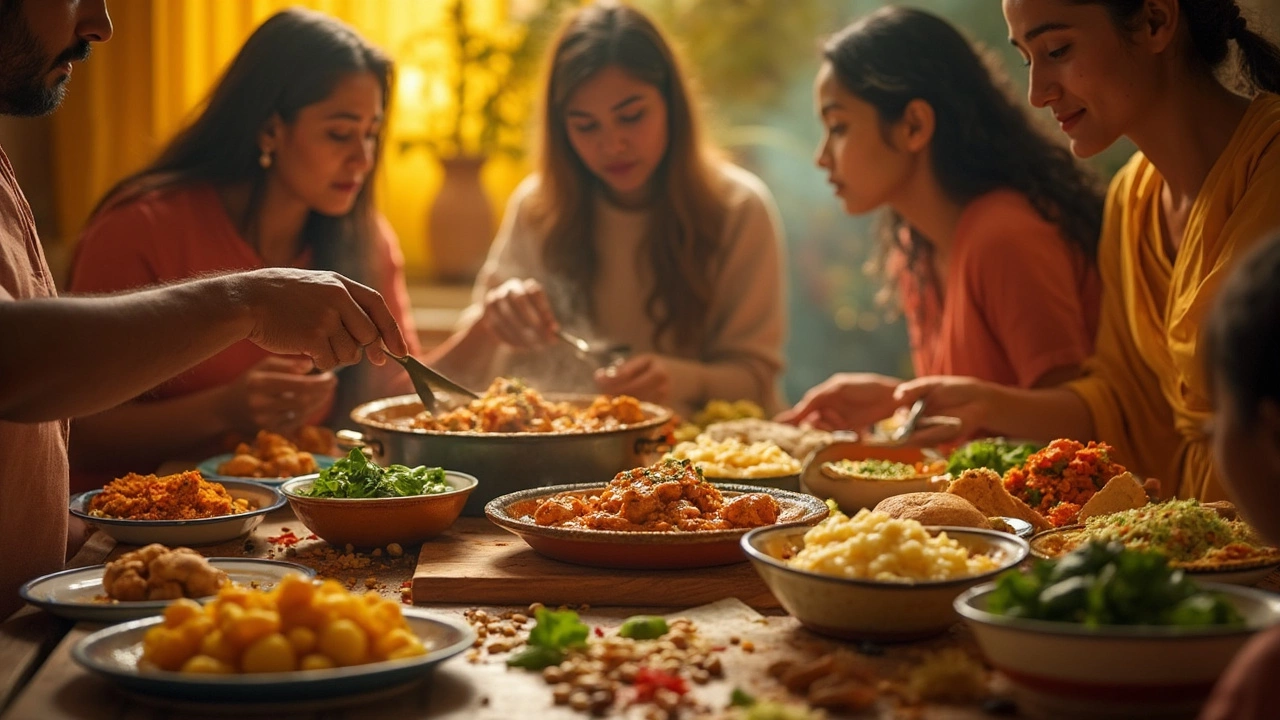
Chicken Curry: Simple Ways to Bulk It Out
Chicken curry doesn’t have to be a small or light meal – there are loads of ways to bulk it out and stretch your portions without losing flavor. This article breaks down practical additions you can throw into your curry to make it heartier and more filling, using items you probably have right at home. Think beyond just extra chicken, with ideas that tackle both time-saving and budget-friendly solutions. Not all additions taste the same, so you’ll get a rundown of which ones blend into the sauce and which stand out more. Get ready to upgrade your next pot of curry so it feeds everyone – with no one leaving hungry.
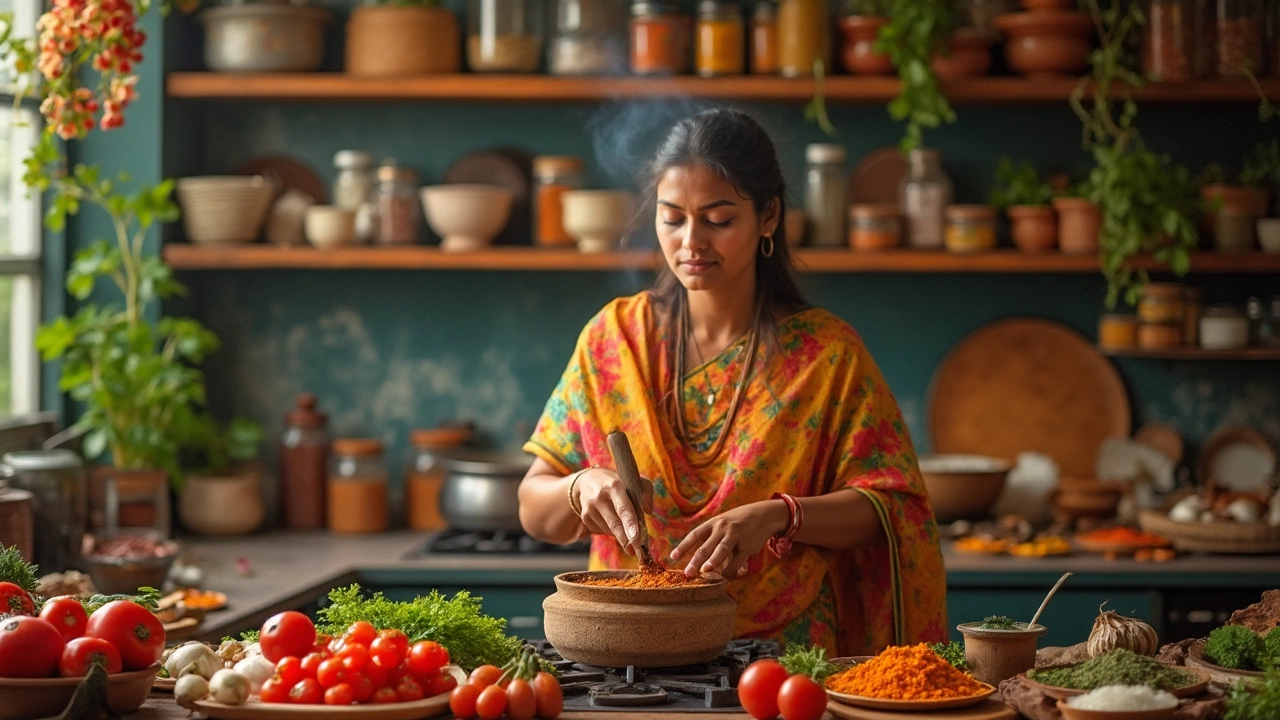
What Traditionally Goes into a Chicken Curry Recipe?
Ah, chicken curry—a delicious dish with roots tracing back to Indian cuisine but loved worldwide. Each household has its twist, but some ingredients are non-negotiable. We'll explore these essential ingredients, the role spices play, and why patience in cooking is key. Let's make sense of what creates that aromatic and flavorful curry experience.