Curry Recipe: Essential Ingredients, Varieties, and Tips for Authentic Flavor
When you think of a curry recipe, a spiced stew or sauce from Indian cuisine, often made with meat, vegetables, or legumes, and served with rice or bread. Also known as Indian curry, it’s not one dish—it’s a whole family of flavors shaped by region, heat, and tradition. A good curry isn’t just about tossing spices into a pot. It’s about layering them right: first the whole seeds sizzle in oil, then ground spices bloom, then liquids like coconut milk or tomato paste come in to tie it all together. This is how you get depth, not just heat.
What goes into a curry recipe, a spiced stew or sauce from Indian cuisine, often made with meat, vegetables, or legumes, and served with rice or bread. Also known as Indian curry, it’s not one dish—it’s a whole family of flavors shaped by region, heat, and tradition. isn’t random. The core trio is usually cumin, coriander, and turmeric—each bringing something different. Cumin gives earthiness, coriander adds citrusy warmth, and turmeric brings color and a quiet bitterness that balances everything. Then there’s garam masala, added at the end to preserve its fragrance. And don’t forget the aromatics: garlic, ginger, and onions form the base of nearly every curry. Skip these, and you’re missing the soul of the dish.
There’s more to curry spices, the blend of ground seeds, roots, and pods used to build flavor in Indian cooking, varying by region and family tradition than what’s in a jar. In South India, curry leaves and mustard seeds are non-negotiable. In the North, cream and butter might soften the heat. In Punjab, tomato and fenugreek give a tangy depth. Even the water you use matters—some cooks swear by soaking spices in warm water first to release their oils fully. And yes, yogurt and coconut milk aren’t just liquids—they’re tenderizers and flavor carriers that change the whole texture.
You’ll find chicken curry, a popular Indian dish where chicken is slow-cooked in a spiced sauce, often with onions, tomatoes, and yogurt on menus everywhere, but homemade versions are where the magic happens. The trick isn’t cooking it longer—it’s letting the spices sit with the meat before adding liquid. That’s how you get flavor inside the chicken, not just on top. And if you’ve ever had a curry that tasted flat? Chances are, the spices were old, the oil wasn’t hot enough, or the onions weren’t caramelized properly. These aren’t small details—they’re the difference between good and unforgettable.
What you’ll find below isn’t just a list of recipes. It’s a collection of real fixes, real tips, and real stories from people who cook curry every day. From how to fix bitter lentils in a dal curry to why rice over roti works better with certain sauces, these posts cut through the noise. You’ll learn what spices to keep on hand, how to adjust heat without ruining flavor, and why some curries need to sit overnight. No fluff. No guesswork. Just what works.
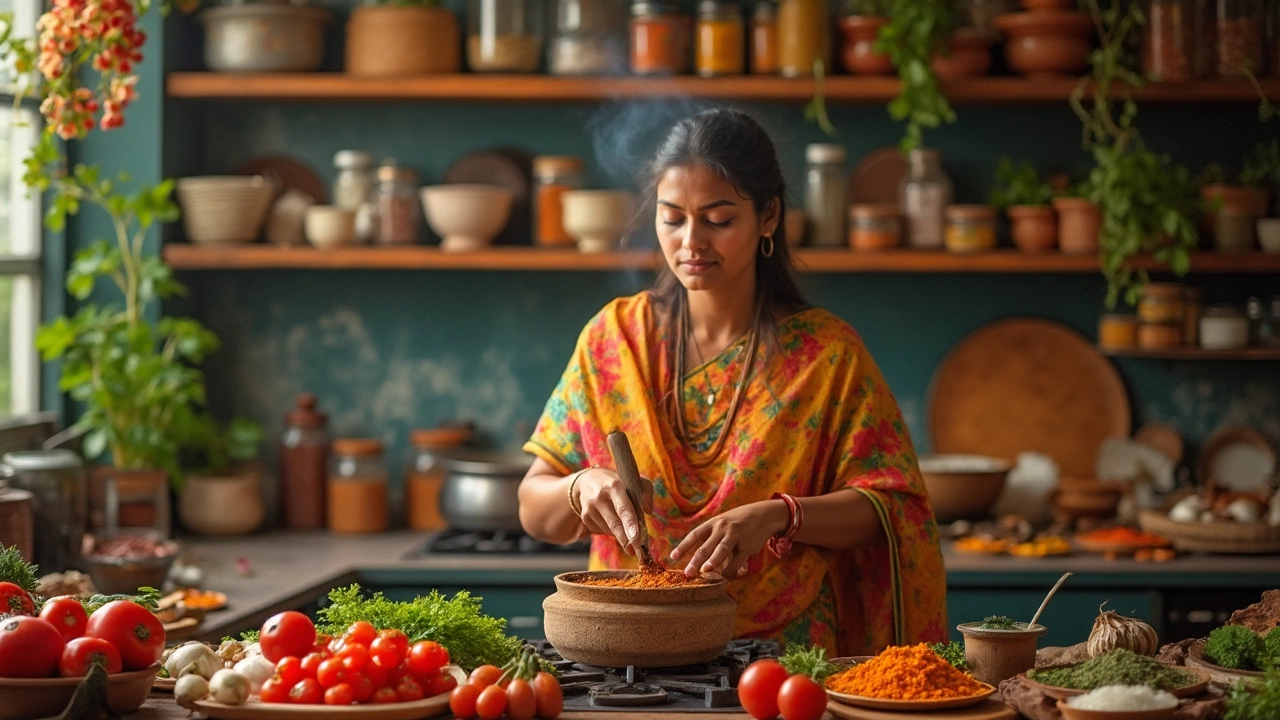
What Traditionally Goes into a Chicken Curry Recipe?
Ah, chicken curry—a delicious dish with roots tracing back to Indian cuisine but loved worldwide. Each household has its twist, but some ingredients are non-negotiable. We'll explore these essential ingredients, the role spices play, and why patience in cooking is key. Let's make sense of what creates that aromatic and flavorful curry experience.

Unveiling the Key Spice in Chicken Curry
Curious about the most vital spice in chicken curry? This article uncovers the secret behind that mouth-watering aroma and flavor, exploring why one particular spice stands out. Discover interesting facts and practical cooking tips to elevate your dish. Dive into the history and regional variations that make curry such a beloved meal.