Desi Daru: What It Is, Why It Matters, and the Stories Behind India's Home-Brewed Spirits
When you hear desi daru, a traditional Indian homemade spirit, often distilled from fermented sugarcane or molasses. Also known as country liquor, it’s the drink that’s been passed down in villages for generations—not in bottles on shelves, but in clay pots tucked away in backyards, shared at weddings, harvests, and quiet evenings. This isn’t just alcohol. It’s a ritual. A taste of place. A connection to land, season, and community.
Desi daru isn’t made in factories. It’s made by people who know the rhythm of fermentation—the right time to harvest sugarcane, how long to let the mash sit under the sun, when the smell turns sweet enough to distill. It’s tied to rural Indian alcohol, the informal, locally produced spirits that thrive outside regulated markets, and it’s often the only option in places where store-bought liquor is expensive or hard to find. Unlike commercial spirits, desi daru varies wildly by region: in Bihar, it’s made from jaggery; in Uttar Pradesh, from rice; in Maharashtra, from molasses. Each version carries the flavor of its soil and the hands that made it.
There’s a reason it’s still around. In a world of branded drinks and mass production, desi daru feels real. It’s the drink your grandfather made in his shed. The one served at village fairs when the drums start beating. The one that warms you after a long day in the fields. It’s not about luxury—it’s about belonging. And while it’s often misunderstood or stigmatized, it’s also a symbol of resilience. People don’t drink it because it’s trendy. They drink it because it’s part of their story.
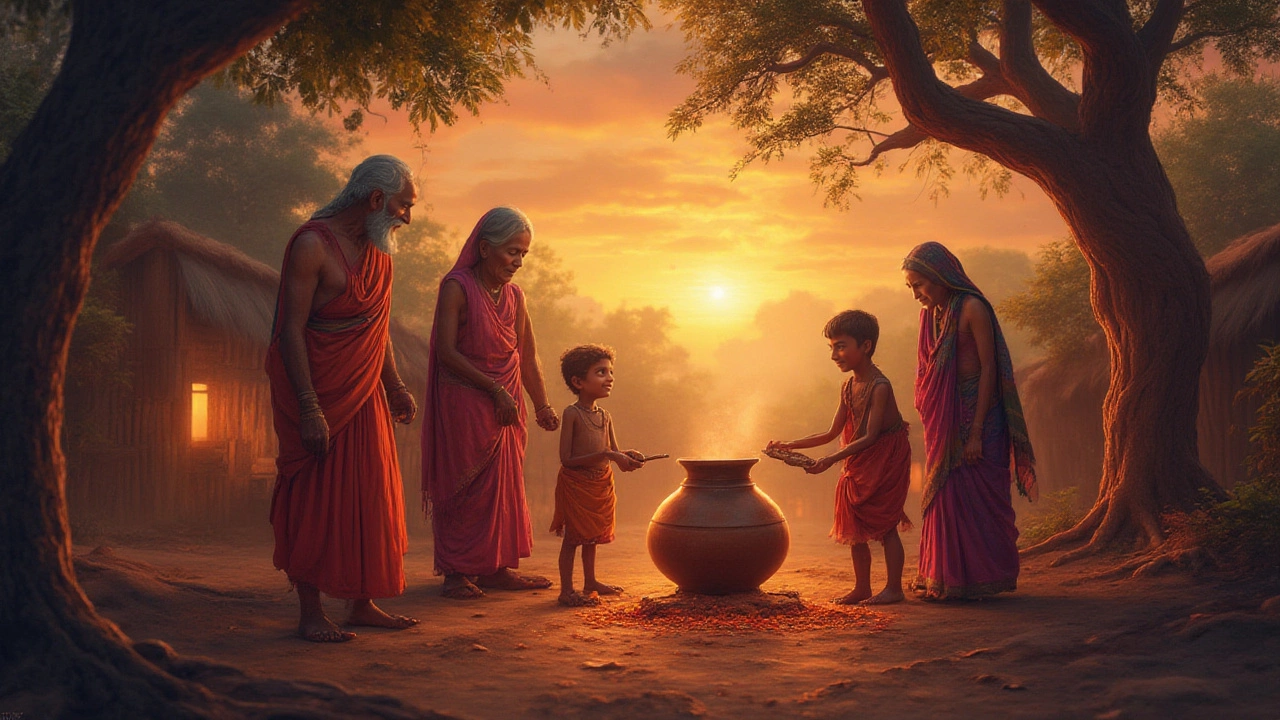
Behind every bottle of desi daru are stories: of women who distill in secret to support their families, of farmers who turn leftover sugarcane into income, of festivals where it’s offered to gods before being shared among friends. It’s not just about taste—it’s about survival, tradition, and identity. And that’s why the posts you’ll find here don’t just talk about how to make it. They dig into the why. Why do some families still use copper stills? Why does the monsoon change the flavor? Why do elders say the best daru is made with bare hands and no thermometer?
What you’ll find below isn’t a list of recipes. It’s a collection of truths—about the people who make it, the places it comes from, and the quiet pride in something that’s never been bottled for export. Whether you’re curious about the science of fermentation, the cultural weight of a sip, or the simple act of making something by hand, these stories will show you what desi daru really means.
Popular Alcoholic Drinks in India: Types, Traditions and Unique Flavors
Ever wondered what counts as the real alcoholic drink in India? Uncover everything from ancient brews to bold new spirits and quirky local shots.