Digestion and Indian Food: How Traditional Meals Support Gut Health
When you think about digestion, the body’s process of breaking down food into usable nutrients. Also known as gut function, it’s not just about what you eat—it’s how your body responds to it. Many Indian meals are designed not just for flavor, but for ease of digestion. From fermented dosa batter to turmeric-laced dal, the cuisine has spent centuries refining how food interacts with the digestive system. This isn’t luck—it’s tradition built on observation, trial, and deep understanding of how spices, textures, and timing affect your gut.
Take anti-inflammatory foods, ingredients that reduce swelling and irritation in the digestive tract. Turmeric, ginger, cumin, and coriander aren’t just flavor boosters—they’re proven to calm gut lining inflammation. Studies show turmeric’s curcumin can help with bloating and slow digestion, and Indian households have used it for this exact reason for generations. Then there’s digestive spices, a category of seasonings that stimulate enzyme production and speed up food breakdown. Fennel seeds after a meal? That’s not just a minty habit—it’s a digestive aid. Asafoetida (hing) reduces gas in lentils. Black pepper boosts nutrient absorption. These aren’t random additions. They’re targeted tools.
Indian cooking also avoids common digestion traps. Fermented batters (like for idli and dosa) pre-digest starches, making them easier on the gut. Lentils are soaked, rinsed, and cooked with digestive aids to cut down on bloating. Even the order of eating matters—starting with a small bite of spicy chutney to wake up your stomach, or ending with yogurt to balance acidity. You won’t find processed sugars or artificial fats in most traditional meals, which means less stress on your microbiome. And when you compare Indian breakfasts like Bobo (roasted chana and roti) to sugary Western cereals, the difference in energy and digestion is clear.
Not every Indian dish helps, though. Deep-fried snacks, heavy cream-based curries, and over-spiced street food can upset digestion if eaten too often. But the core of the cuisine? It’s built to support you. The recipes below show you exactly how to use these principles at home—whether you’re making paneer without lemon (which can irritate sensitive stomachs), keeping roti soft without preservatives, or choosing the right chutney to fight inflammation. You’ll find real, practical ways to make every meal easier on your gut, without giving up flavor. No magic pills. Just food, done right.
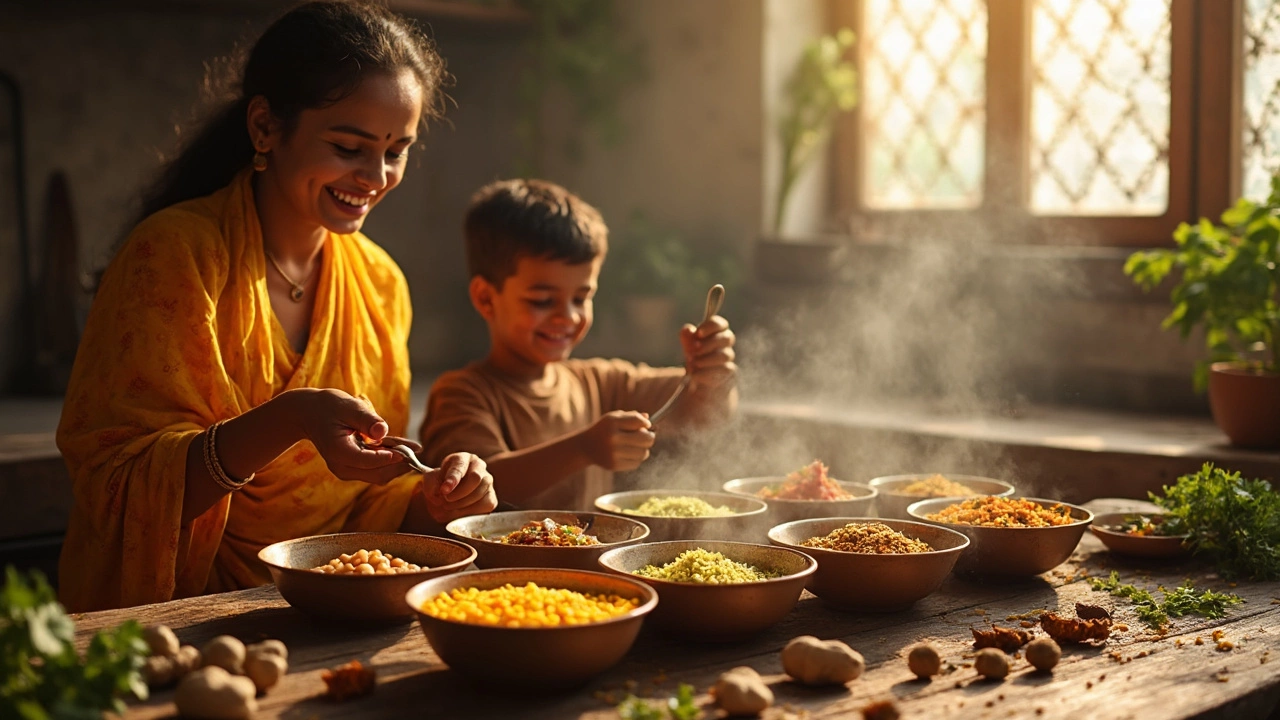
Do Lentils Clean Your Gut? The Dal Lowdown
Curious if eating lentils can really clean your gut? This article breaks down how dal works in your body, how it affects digestion, and why it’s been a staple for centuries. Find out what gut cleaning actually means, which lentils offer the most benefits, and get easy tips for adding more to your meals. Don’t miss advice for making dal recipes more gut-friendly. Discover if your favorite comfort food does more for your health than you thought.