Disadvantages of Indian Cooking: Common Pitfalls and How to Avoid Them
When you think of Indian cooking, you picture bold spices, fresh herbs, and rich flavors—but behind every great dish are disadvantages, the hidden risks and mistakes that can ruin meals, waste time, or even make you sick. Many home cooks don’t realize how easily things go wrong: paneer turns rubbery because they used the wrong acid, chutney molds because it was jarred cold, or street food gives them stomach trouble because they didn’t know which dishes are safe. These aren’t just minor hiccups—they’re common, preventable errors that affect flavor, safety, and nutrition.
Take homemade paneer, a simple Indian cheese made by curdling milk with acid. It sounds easy, but skip lemon or vinegar and use the wrong temperature? You get crumbly, dry paneer instead of soft, sliceable cubes. Or consider street food safety, a major concern for travelers and locals alike. Yes, vada pav and pani puri are delicious, but if the oil’s been reused too many times or the water’s unclean, you’re risking food poisoning. Even something as simple as chutney preservation, a way to store flavor for months can backfire—if you don’t jar it while hot, mold grows fast. These aren’t myths. They’re real problems documented in kitchens across India, from Mumbai slums to Delhi apartments.
There’s also the myth that all Indian food is healthy. It’s not. Some dishes are loaded with refined flour, fried in old oil, or packed with sugar disguised as "natural" sweeteners. Roti can be soft for days, but only if you know the right wrapping trick. Biryani rice needs exact timing—boil it too long and it turns to mush. And while turmeric in chutney fights inflammation, too much without fat or black pepper? Your body just passes it right through. The disadvantages aren’t about the cuisine itself—they’re about how it’s made, stored, and served.
That’s why the posts below matter. They don’t just show you how to cook—they show you what goes wrong, why it happens, and how to fix it. You’ll learn why tandoori chicken stays juicy, how to pick safe street snacks, and why skipping soaking for some dals saves time without sacrificing taste. No fluff. No guesswork. Just the practical fixes that turn mistakes into mastery.
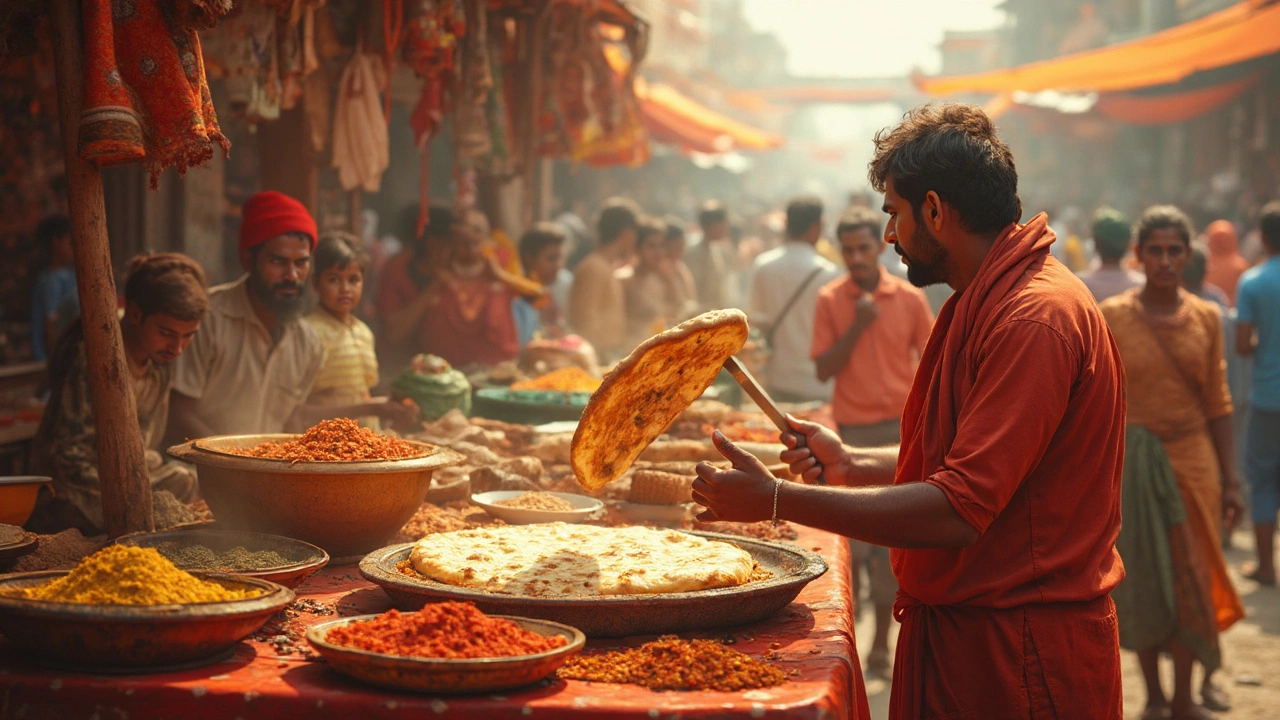
Discovering the Downside: The Disadvantages of Naan
Naan, a popular Indian bread, is a staple in many cuisines, but it comes with certain disadvantages that might surprise you. Despite its delightful taste and texture, naan can be high in calories and often lacks in nutritional value. Its preparation methods and ingredients might not always align with dietary restrictions or health-conscious cooking. This article delves into these drawbacks and offers practical tips for more nutritious alternatives.