Dosa Daily: Everything You Need to Know About South India’s Crispy Staple
When you think of dosa, a thin, crispy fermented rice and lentil pancake from South India, often served with coconut chutney and sambar. Also known as dosai, it’s one of the most widely eaten breakfast foods across India—and increasingly, around the world. It’s not just food. It’s a daily ritual in homes from Chennai to Bangalore, where the sizzle of batter hitting a hot griddle means breakfast is ready.
Dosa daily works because it’s simple, flexible, and deeply rooted in tradition. The batter? Usually rice and urad dal, soaked, ground, and left to ferment overnight. That fermentation isn’t just magic—it’s biology. Wild yeasts and bacteria break down starches, making the batter airy, tangy, and digestible. No chemicals. No shortcuts. Just time, patience, and the right ratio. And if you’ve ever tried making dosa at home and ended up with a sticky mess, you’re not alone. Most failures come from batter that didn’t ferment enough, or a pan that wasn’t hot enough. The dosa batter, a fermented mixture of rice and black gram lentils used to make dosas and other South Indian snacks needs the right balance. Too much rice? Too dense. Too much dal? Too soft. The perfect batter cracks just right when it hits the pan.
What makes dosa daily even more special is how it fits into modern eating. It’s naturally gluten-free, vegan if you skip the ghee, and packed with probiotics from fermentation. That’s why it’s become a go-to for people looking for healthy, plant-based meals. You can eat it plain, stuff it with spiced potatoes, or roll it with chutney. It pairs with coconut chutney, a fresh, creamy condiment made from grated coconut, green chilies, and roasted lentils, commonly served with dosas or sambar, a tangy lentil-based vegetable stew with tamarind and spices, essential to a traditional dosa meal like salt and pepper go with toast.
There’s a reason you’ll see dosa stalls open before sunrise and still busy at noon. It’s fast, filling, and feels like home. Whether you’re making it for your kids, your partner, or just yourself on a lazy Sunday, dosa daily gives you something real. The posts below cover everything you need to get it right—from fixing sour batter, to making it without a grinder, to why your dosa sticks even when you think the pan is hot. No fluff. Just the facts, tricks, and fixes that actually work.
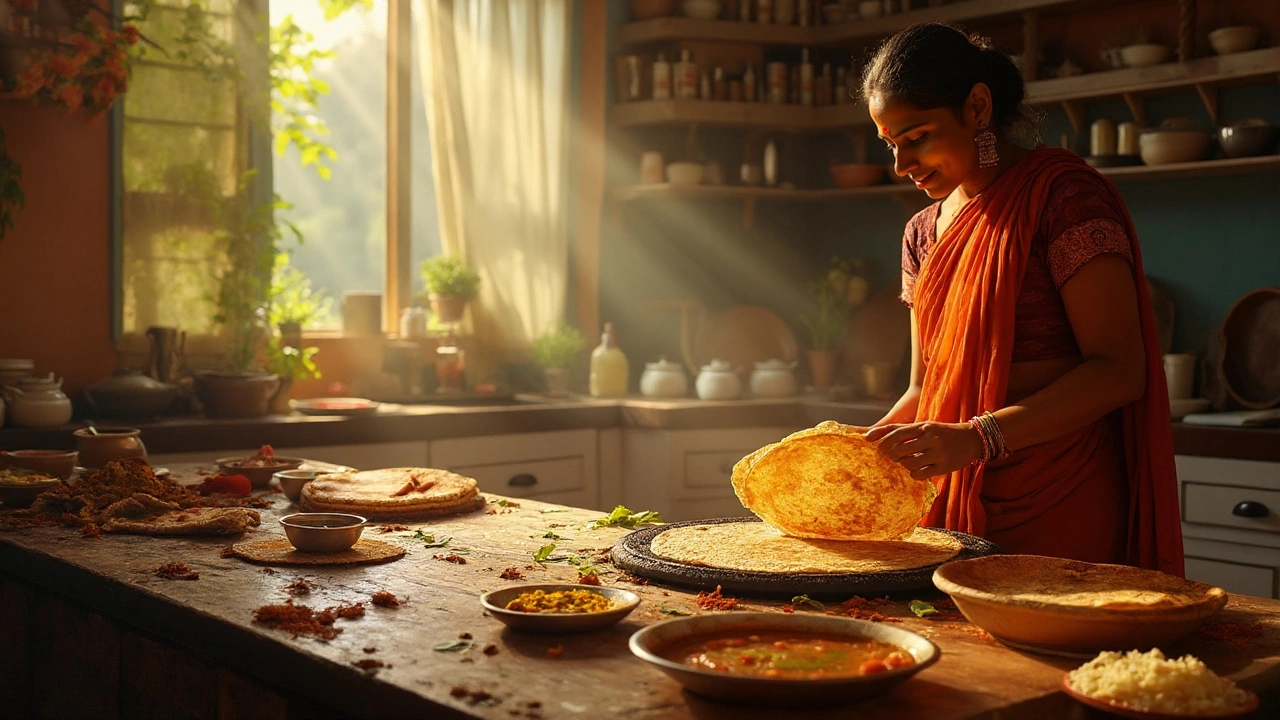
Can You Eat Dosa Every Day? Health Facts, Nutrition & Tips
Thinking of eating dosa every day? Get the facts on dosa's nutrition, health pros and cons, tasty variations, and tips to enjoy this South Indian classic wisely.