Dosa Health Benefits: Why This South Indian Staple Is Good for You
When you think of dosa, a thin, crispy fermented rice and lentil pancake from South India. Also known as holy grail of Indian breakfasts, it's not just comfort food—it’s a smart, naturally balanced meal that supports digestion, energy, and long-term wellness. Unlike fried snacks or refined carbs, dosa is made from a simple mix of rice and urad dal that’s soaked, ground, and left to ferment. That fermentation isn’t just tradition—it’s biology. Good bacteria break down starches and phytic acid, making nutrients like iron, zinc, and B vitamins easier for your body to absorb. It’s why dosa is often recommended for people with sensitive stomachs or those looking to improve gut health without supplements.
What makes dosa stand out isn’t just how it’s made, but what’s in it. The rice gives you slow-releasing energy, while the urad dal adds plant-based protein—about 5 grams per dosa—without any dairy or eggs. That’s why it’s a go-to for vegans and vegetarians. And because it’s cooked on a hot griddle with minimal oil, it’s naturally low in fat compared to parathas or fried snacks. Pair it with coconut chutney, which has healthy fats and fiber, or sambar loaded with lentils and veggies, and you’ve got a meal that’s both filling and anti-inflammatory. The turmeric, mustard seeds, and curry leaves in these sides aren’t just flavor—they’re science-backed tools to reduce inflammation and support immunity.
There’s also a reason dosa is popular among athletes and busy parents. It digests easily, doesn’t cause blood sugar spikes, and keeps you full for hours. Unlike white bread or toast, dosa doesn’t rely on gluten, making it a safe option for those avoiding wheat. And because it’s naturally gluten-free when made with just rice and lentils, it’s one of the few Indian staples that fits into modern dietary needs without compromise. Whether you’re eating it for breakfast, lunch, or a late-night snack, dosa delivers nutrition without tricks or additives.
What you’ll find in the posts below aren’t just recipes—they’re deep dives into how dosa works, from the science of fermentation to how to fix soggy batter, what grains you can swap in, and why your dosa might not crisp up. You’ll learn what real dosa nutrition looks like, how to make it even healthier, and why this humble dish is one of India’s most underrated superfoods.
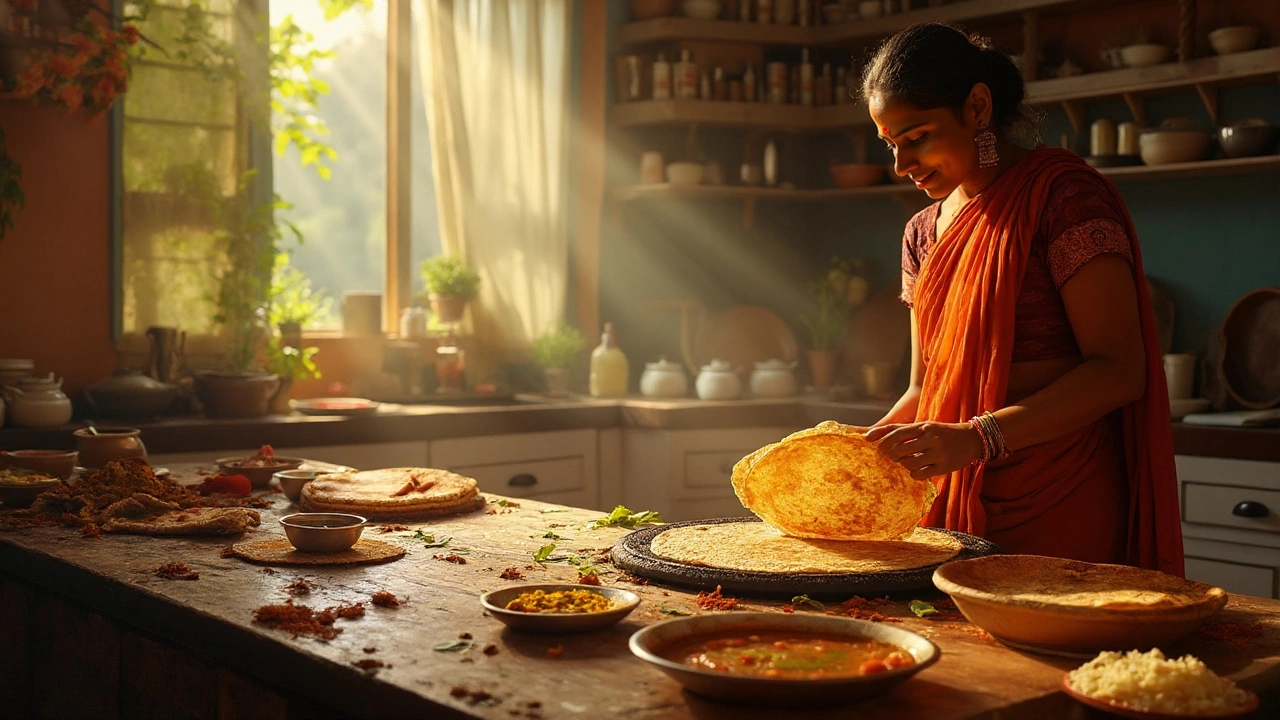
Can You Eat Dosa Every Day? Health Facts, Nutrition & Tips
Thinking of eating dosa every day? Get the facts on dosa's nutrition, health pros and cons, tasty variations, and tips to enjoy this South Indian classic wisely.