Dosa Recipe: How to Make Crispy South Indian Dosa at Home
When you think of a dosa, a thin, crispy fermented rice and lentil crepe from South India, often served with coconut chutney and sambar. Also known as dosai, it's one of the most loved breakfast foods across India and beyond. It’s not just a pancake—it’s a daily ritual in millions of homes, made with just four simple ingredients that transform over time into something crunchy, light, and full of flavor.
What makes a dosa work isn’t just the recipe—it’s the fermented batter, a living mixture of rice and urad dal that bubbles and expands overnight, creating natural airiness and tang. You don’t need fancy tools. A good griddle, patience, and a little warmth are all it takes. The batter’s fermentation is the secret—it breaks down starches, boosts digestibility, and gives dosa its signature crisp edges and soft center. Skip this step, and you’re just making flat rice cakes. Get it right, and you’ve got something that pairs perfectly with spicy sambar, cool coconut chutney, or even just a squeeze of lemon.
Many people think dosa is hard to make, but most failures come from one thing: bad batter. Too much water? Too little urad dal? Not enough time to ferment? The posts below break down exactly what goes into the batter, how to fix common problems like stickiness or lack of crispness, and even how to use alternative grains like millet or oats for gluten-free versions. You’ll also find tips on temperature control, the best oils to use, and how to store leftover batter for days without losing quality. Whether you’re new to Indian cooking or just tired of soggy dosas, these guides give you real, tested methods—not theory.
And it’s not just about the dosa itself. The whole meal connects to bigger habits: the chutney you serve with it, the way you heat the pan, even the time of day you make it. You’ll see how dosa fits into South Indian breakfast culture, why it’s naturally vegan, and how it compares to other Indian crepes like uttapam or pesarattu. This isn’t just a recipe page—it’s a crash course in one of India’s most beloved everyday foods.
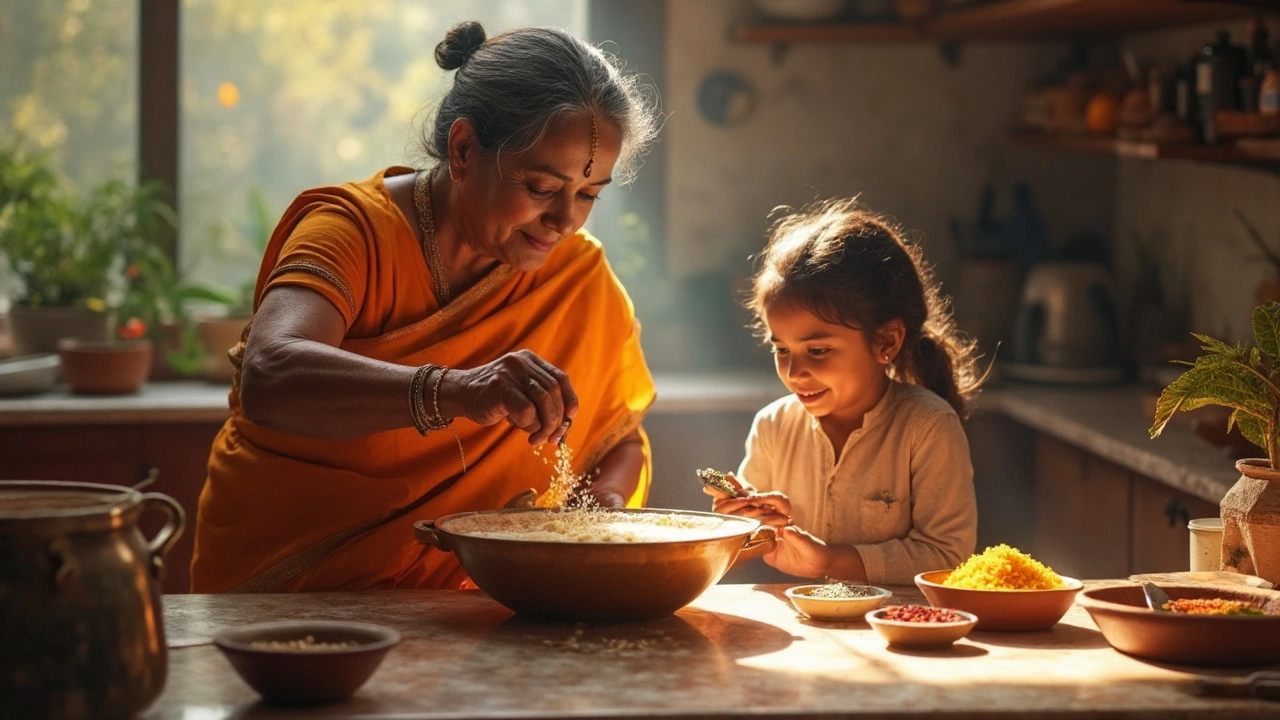
Why is Fenugreek Added to Dosa Batter? The Crucial Ingredient Explained
Fenugreek isn't just thrown into dosa batter for tradition's sake—it plays a serious role in texture, taste, and fermentation. Wonder why your homemade dosas aren't as fluffy or crispy as the ones at your favorite South Indian joint? The secret could be a pinch of fenugreek. This article breaks down what exactly fenugreek does in the batter, how much you need, and smart hacks to perfect your dosas every time. You’ll get practical tips to make your dosa game strong, whether you're a beginner or a kitchen veteran.