Dough Tips: Master Indian Bread Making with Simple Tricks
When you’re making dough, a mixture of flour, water, and sometimes fat or leavening agents used to make Indian bread like roti, chapati, or naan. It’s not just about mixing ingredients—it’s about touch, timing, and trust in your hands. Too much water and it sticks. Too little and it cracks. The right dough doesn’t need fancy tools or hours of waiting. It just needs the right balance, a little patience, and a few proven tricks.
Roti dough, the basic flour-and-water blend used for everyday Indian flatbreads. It’s the foundation of breakfast, lunch, and dinner in millions of homes. But even small changes—like using warm water instead of cold, letting it rest for 20 minutes, or kneading until it’s smooth like an earlobe—make a huge difference. That’s why some rotis turn out tough and others stay soft for days. It’s not magic. It’s dough hydration, the ratio of water to flour that determines how elastic and pliable the dough becomes. Too dry? Hard to roll. Too wet? Sticks to everything. The sweet spot is just enough moisture to let the gluten stretch without tearing.
And then there’s chaping technique, the way you roll and press dough into perfect circles without using a rolling pin. Most people think it’s about strength. It’s not. It’s about pressure, rotation, and letting the dough guide your hands. You don’t force a round shape—you coax it. The best rotis aren’t made with rulers or stencils. They’re made by people who know how the dough feels when it’s ready.
Don’t overlook the role of resting time, the period after kneading when dough relaxes and gluten softens. Skip it, and your chapatis will shrink back when you roll them. Wait 15 to 30 minutes, and they’ll roll out like butter. That’s why so many Indian kitchens let dough sit covered while the dal simmers or the curry heats up. It’s not laziness. It’s strategy.
And if you’ve ever struggled with soft roti, roti that stays tender and pliable for hours, not stiff and dry after cooling, it’s not just about storage. It’s about how you cook it. A hot tawa, a quick flip, a light press with a cloth—those small steps lock in moisture. A cold tawa? You’ll get a hard disc. A too-long cook? Dry and brittle. The goal isn’t to char it. It’s to puff it, just once, like a little cloud of bread.
What you’ll find below isn’t a list of random recipes. It’s a collection of real, tested dough tips from people who make Indian bread every day. From why some folks add a spoon of oil to their roti dough, to how to fix sticky dough without adding more flour, to why your chapatis never puff up—each post cuts through the noise. You’ll learn what works, what doesn’t, and why. No fluff. No guesswork. Just the kind of advice you’d get from your aunt or neighbor who’s been doing this for 40 years.
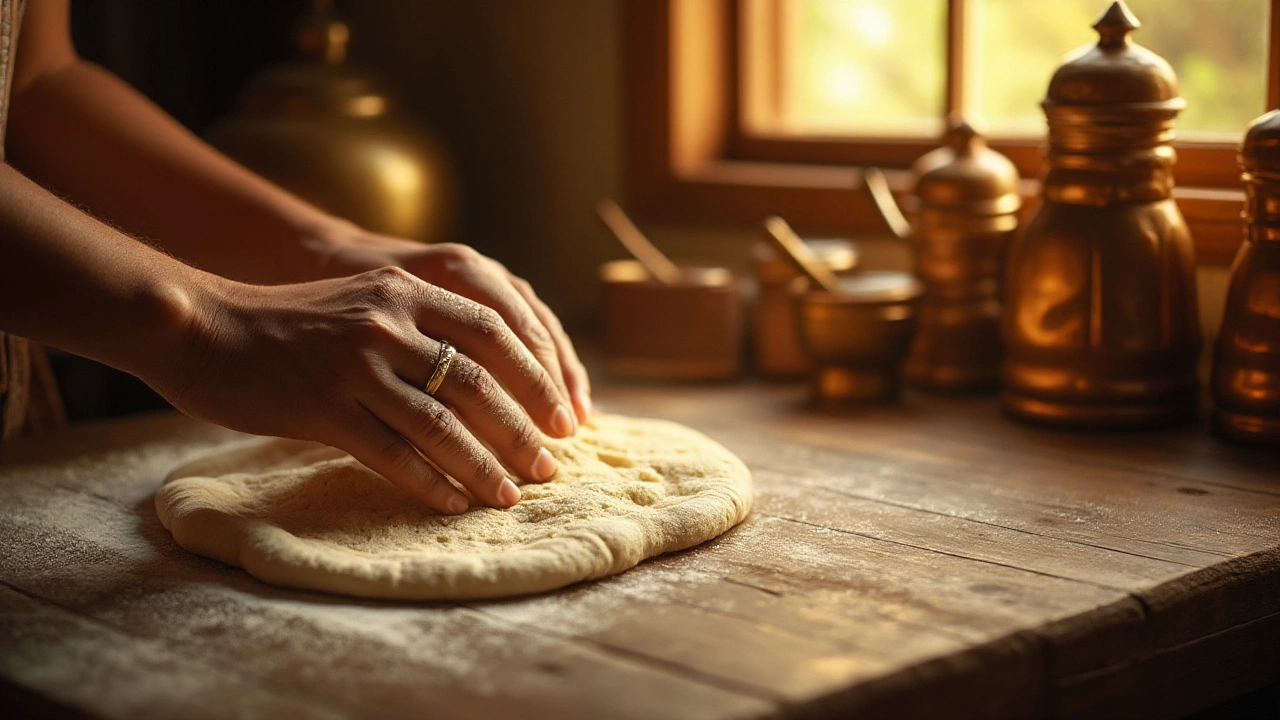
The Secret to Perfectly Soft Roti Dough: Tips and Tricks
Creating soft and fluffy roti that melts in your mouth is an art that many aspire to master. From selecting the right flour to achieving the perfect dough consistency, the process involves several key factors. Explore practical tips and intriguing facts that will elevate your roti-making skills. This guide delves into the intricacies of kneading, resting time, and moisture balance to help you craft roti that impresses both family and friends.