Dum Cooking Rice: How to Master Slow-Cooked Indian Rice Dishes
When you hear dum cooking rice, a traditional Indian method of sealing and slow-steaming rice with spices, meat, or vegetables in a heavy pot. Also known as dum pukht, it’s not just cooking—it’s a ritual that turns simple ingredients into deeply aromatic meals. This technique isn’t about speed. It’s about patience. You layer rice over marinated meat or vegetables, seal the pot with dough or a tight lid, then let low heat and trapped steam do the work for hours. The result? Every grain of rice soaks up flavor without turning mushy, and the spices bloom in ways boiling never can.
Dum cooking rice is the secret behind iconic dishes like Hyderabadi biryani and Lucknowi pulaos. It’s not just about the rice—it’s about the spice blend, a precise mix of whole spices like cardamom, cloves, and cinnamon that toast slowly in ghee before the rice even goes in. Then there’s the sealing method, whether it’s flour-and-water dough stretched over the pot’s rim or a heavy lid pressed down with a weight. That seal traps steam, keeps moisture locked in, and forces the flavors to mingle and deepen. You don’t stir. You don’t peek. You wait. And when you lift the lid? The aroma hits you before you even taste it.
This method works best with long-grain rice like basmati, which holds its shape and doesn’t clump. It’s why so many Indian households still use hand-pounded clay pots or heavy-bottomed kadais for dum cooking. Even if you’re using a regular pot, you can replicate the technique with foil and a tight lid. The key is low heat and time. No rush. No shortcuts. And that’s why dum cooking rice isn’t just a recipe—it’s a way of thinking about food. It’s the opposite of fast food. It’s slow, thoughtful, and deeply satisfying.
What you’ll find in the posts below aren’t just recipes. They’re stories of how people in different parts of India make dum rice—some with yogurt-marinated chicken, others with lentils and dried fruit, some even vegan versions using cashew cream instead of ghee. You’ll see how the same technique changes flavor completely based on the spices, the rice-to-liquid ratio, or even the type of lid used. Whether you’re trying to perfect your biryani or just want to understand why your rice never tastes as good as the restaurant’s, the answers are here. No fluff. Just real, tested ways to make dum cooking rice work for you at home.
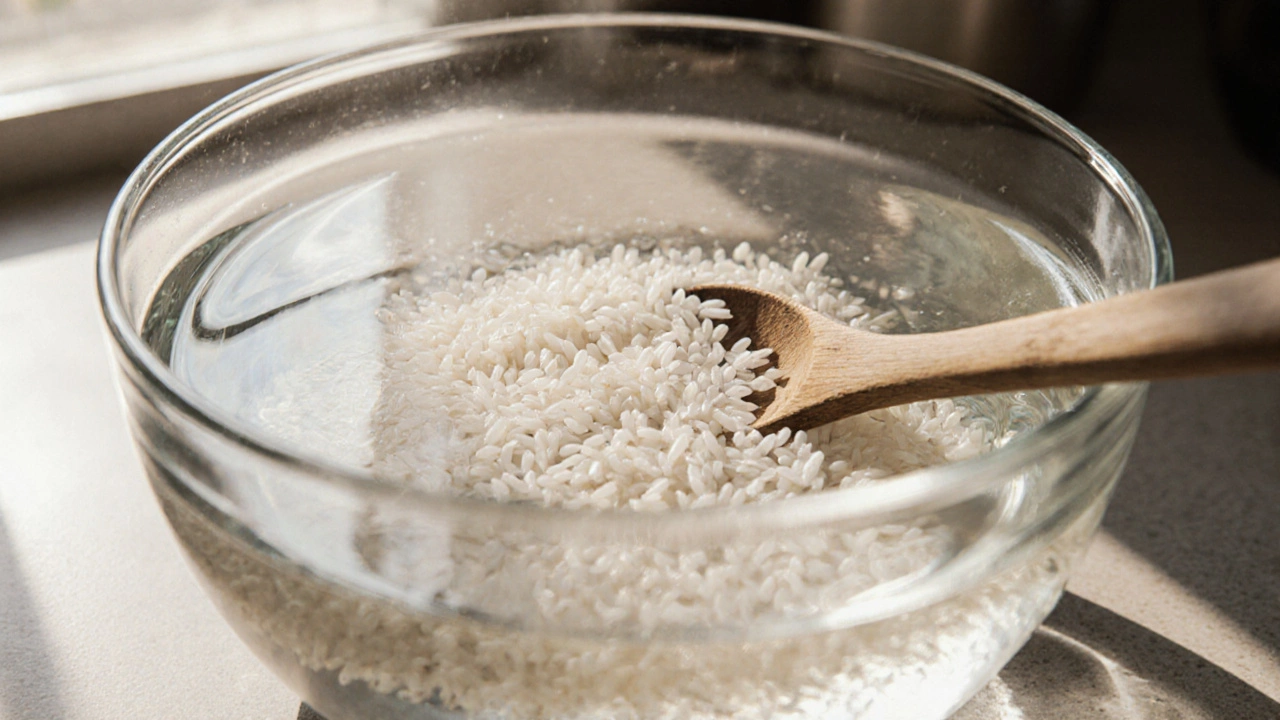
Perfect Biryani Rice Boiling Time: Step‑by‑Step Guide
Learn the exact boiling time for biryani rice, from soaking to the final dum step. Follow step‑by‑step timing, ratio tips, and common fixes for perfect, fluffy biryani every time.