Eating with Hands: The Culture, Benefits, and Tradition Behind Indian Meal Rituals
When you eat with your hands, you’re not just feeding yourself—you’re engaging with centuries of tradition. eating with hands, a deeply rooted Indian dining practice where food is consumed directly using the fingers. Also known as hand-fed meals, it’s more than a method—it’s a ritual that connects taste, texture, and temperature in ways utensils never can. In India, this isn’t just about convenience. It’s about awareness. The nerves in your fingertips send signals to your brain before you even take a bite, triggering digestion and helping you eat slower. Studies show that people who eat with their hands digest food better and feel fuller faster. This isn’t folklore—it’s biology meeting culture.
The Indian eating tradition, a system of mealtime customs centered on hand-to-mouth eating, often paired with specific seating, cleanliness rituals, and food pairing rules isn’t random. It’s designed for balance. You use your thumb to push food, your index and middle fingers to scoop, and your ring and pinky fingers to stabilize. This isn’t guesswork—it’s learned skill. In homes across India, children are taught from age three how to wash hands properly before meals, how to use only the right hand, and how to never waste food. This practice ties directly to the cultural food practices, a set of shared behaviors around food that reflect identity, religion, and community values you see in every dhaba, temple kitchen, and village feast. Even when people switch to forks and spoons abroad, many still return to their hands during Diwali, weddings, or when eating biryani or roti with curry. Why? Because it just feels right.
There’s a reason you’ll see grandmothers in Kerala, farmers in Punjab, and students in Delhi all eating the same way. It’s not nostalgia—it’s function. Eating with hands lets you feel the heat of the roti, the creaminess of the dal, the crunch of the papad. You mix spices into rice with your fingers, adjusting flavor as you go. You don’t just taste food—you experience it. This is why chutneys are served thick, why rotis are soft, and why meals are served on banana leaves or steel plates. The Indian dining customs, the unwritten rules of posture, timing, and etiquette during meals that vary by region but share core principles make the whole act respectful, mindful, and communal. You don’t eat alone. You eat together, and your hands become part of the table.
What you’ll find in the posts below aren’t just recipes—they’re stories wrapped in tradition. From how to clean your hands before eating to why some dishes are meant to be eaten only with bread, you’ll see how this simple act shapes everything from flavor to family. Whether you’ve never tried it or you’ve been doing it your whole life, there’s something here that will make you look at your next meal differently.
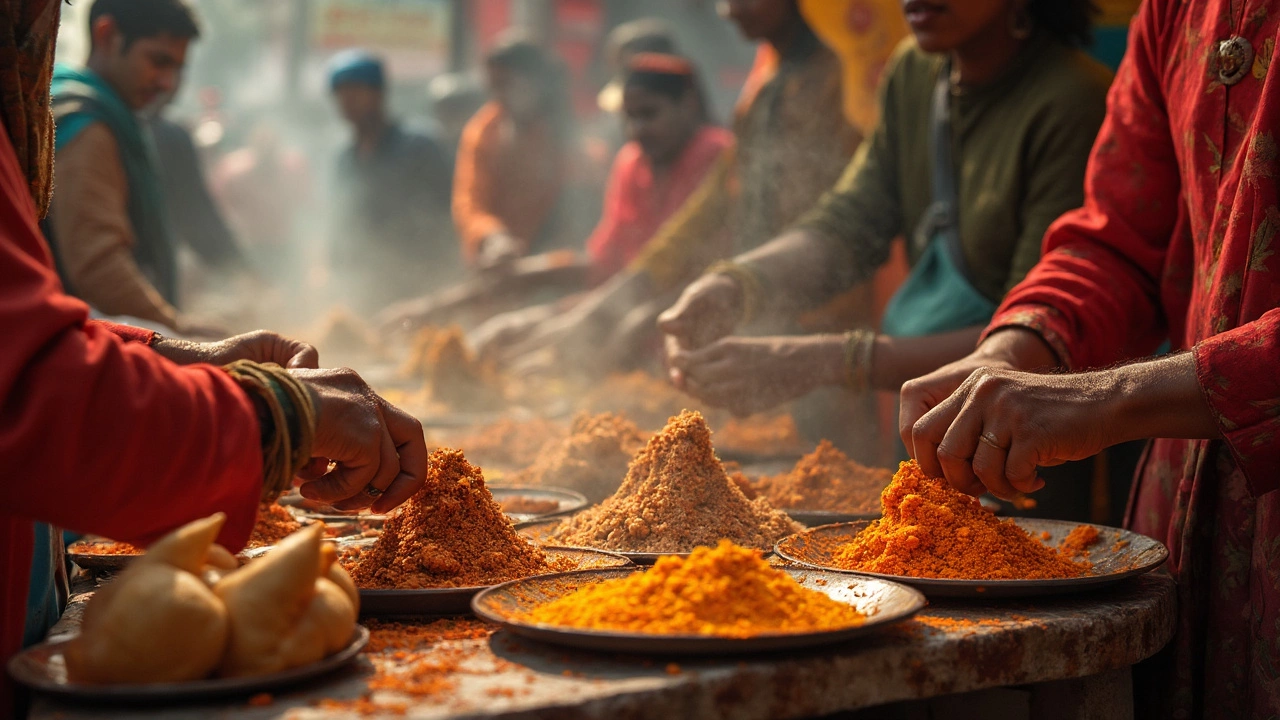
Indian Street Food: Why Eating With Hands is Key
Indian street food bursts with flavors, colors, and the unique habit of eating with hands. This article explores why hands matter so much on India's bustling streets. You'll learn about tradition, science, and how vendors actually make things tastier and faster by hand. The article spills useful tips for visitors on embracing this messy, delicious style. There's a deeper story here, blending practicality, flavor, and community.