Food Safety in India: Safe Eating, Smart Cooking, and Healthy Choices
When it comes to food safety, the practices that keep meals safe to eat and free from harmful bacteria or contamination. Also known as safe food handling, it’s not just about washing hands—it’s about how you store, cook, and serve everyday Indian food. In India, where meals are made fresh daily and street food is part of daily life, food safety isn’t optional. It’s the difference between enjoying a spicy masala dosa and spending a day sick. Many people assume that because food tastes good, it’s safe. But taste doesn’t tell you if the oil was reused, if the chutney sat out too long, or if the paneer was made with unpasteurized milk.
Take chutney preservation, the process of storing spicy condiments safely to avoid mold and spoilage. Jarring chutney while it’s still hot isn’t a tradition—it’s science. Heat kills bacteria, and sealing it right creates a vacuum that keeps air out. If you let chutney cool first, you’re inviting mold. Same with Indian street food, the quick, flavorful meals sold by vendors across cities and towns. Not all street food is risky. But if the oil looks dark, the roti sits uncovered, or the water for washing hands is dirty, it’s a red flag. Dishes like tandoori chicken or biryani are safe when cooked at high heat, but if the yogurt marinade sat out overnight, the bacteria multiply fast.
Even home cooking needs attention. Making paneer at home? If you skip boiling the milk properly or use unclean utensils, you’re not making cheese—you’re making a culture dish for germs. The same goes for lentils. If you don’t rinse them well or soak them in dirty water, bitterness isn’t the only problem—you could be introducing dirt or insects. And let’s not forget storage. Keeping roti soft for days? That’s great—but if you wrap it in a damp cloth or leave it in a sealed container without cooling it first, you’re creating a perfect spot for mold. Food safety isn’t about fear. It’s about smart habits. It’s knowing that a little extra care when handling ingredients prevents a lot of pain later.
What you’ll find below are real, tested tips from people who cook daily in Indian kitchens. From how to safely jar your mango pickle to why you should never reuse oil for frying samosas, these posts cut through the noise. You’ll learn what’s actually risky in Indian food, what’s just myth, and how to cook with confidence—without giving up flavor or tradition. This isn’t about avoiding food. It’s about enjoying it safely, every single day.
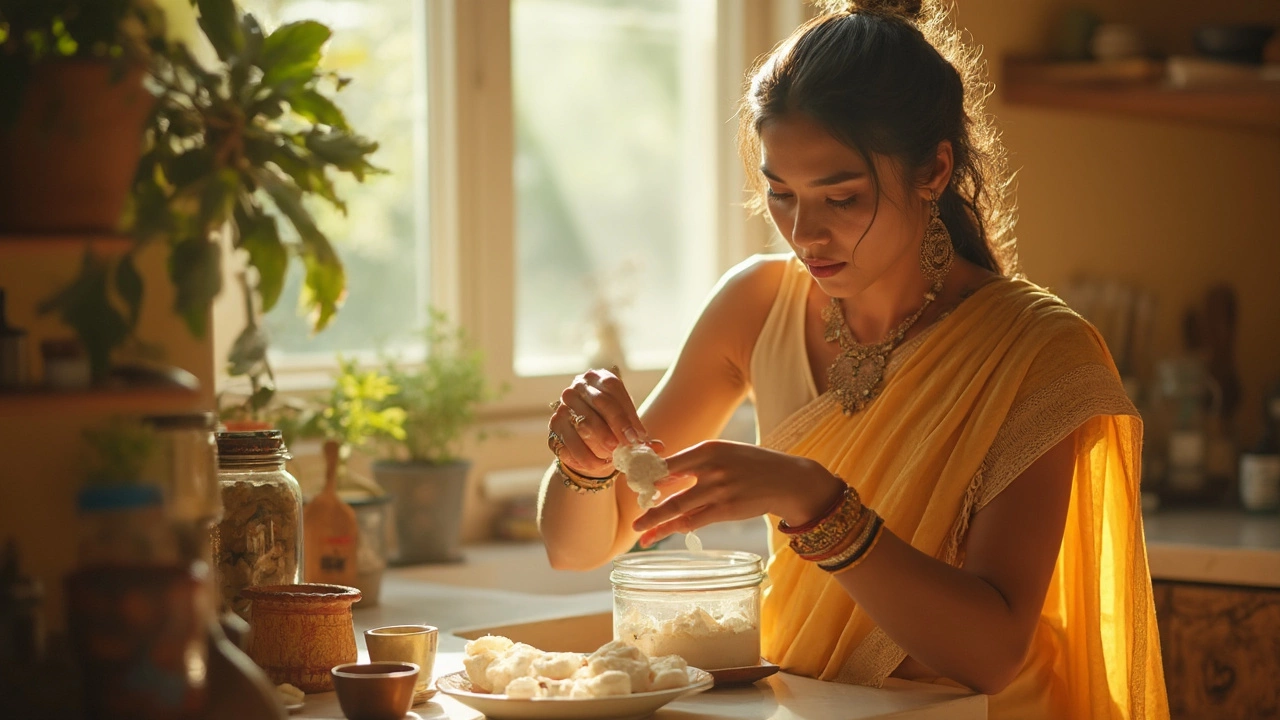
How Long Can Homemade Paneer Last? Storage Tips and Shelf Life Facts
Wondering how long your homemade paneer will stay fresh? This article covers exactly how many days homemade paneer can last, what signs show it’s gone bad, and the best storage practices. Discover simple tips for extending paneer’s shelf life, both in the fridge and freezer. Learn practical tricks for keeping it soft, safe, and tasty for as long as possible. Use this guide to make sure not a crumb goes to waste after all the time and effort spent making fresh paneer at home.