Glycemic Index: What It Means for Indian Food and How to Eat Smarter
When you eat rice, roti, or sweets, your blood sugar doesn’t just rise—it spikes. That’s where the glycemic index, a scale that measures how quickly a food raises blood sugar levels. It’s not about avoiding carbs—it’s about choosing the right ones. Many Indian meals are built on high-GI foods like white rice, refined flour roti, and sugary snacks. But that doesn’t mean you have to give up your favorite dishes. You just need to know which swaps make a real difference.
The glycemic index, a scale that measures how quickly a food raises blood sugar levels isn’t just for diabetics. It matters if you feel tired after lunch, crave sugar by 4 p.m., or want to lose weight without starving. Foods with a low GI release sugar slowly. That means steady energy, fewer cravings, and better digestion. Think of it like this: white rice is a sprint. Brown rice or barley is a slow walk. Your body handles the walk much better.
Indian cooking has a lot of tools to lower the glycemic load. Adding lentils to rice? That’s a win. Using jowar or bajra instead of wheat? Even better. Chutneys made with tamarind, mint, or coconut don’t just add flavor—they help slow sugar absorption. And yes, even paneer and yogurt can help. They’re rich in protein and fat, which naturally balance out carbs. You don’t need to overhaul your kitchen. Just tweak what’s already there.
Look at the posts below. You’ll find how to make roti that stays soft but doesn’t spike your sugar. How to pick the right dal that doesn’t need soaking and still keeps blood sugar calm. How chutney isn’t just a side—it’s a tool for better digestion. You’ll see why biryani rice timing matters more than you think, and how street food can be safe and smart if you know what to pick. This isn’t about giving up Indian food. It’s about eating it smarter—without losing flavor, tradition, or joy.
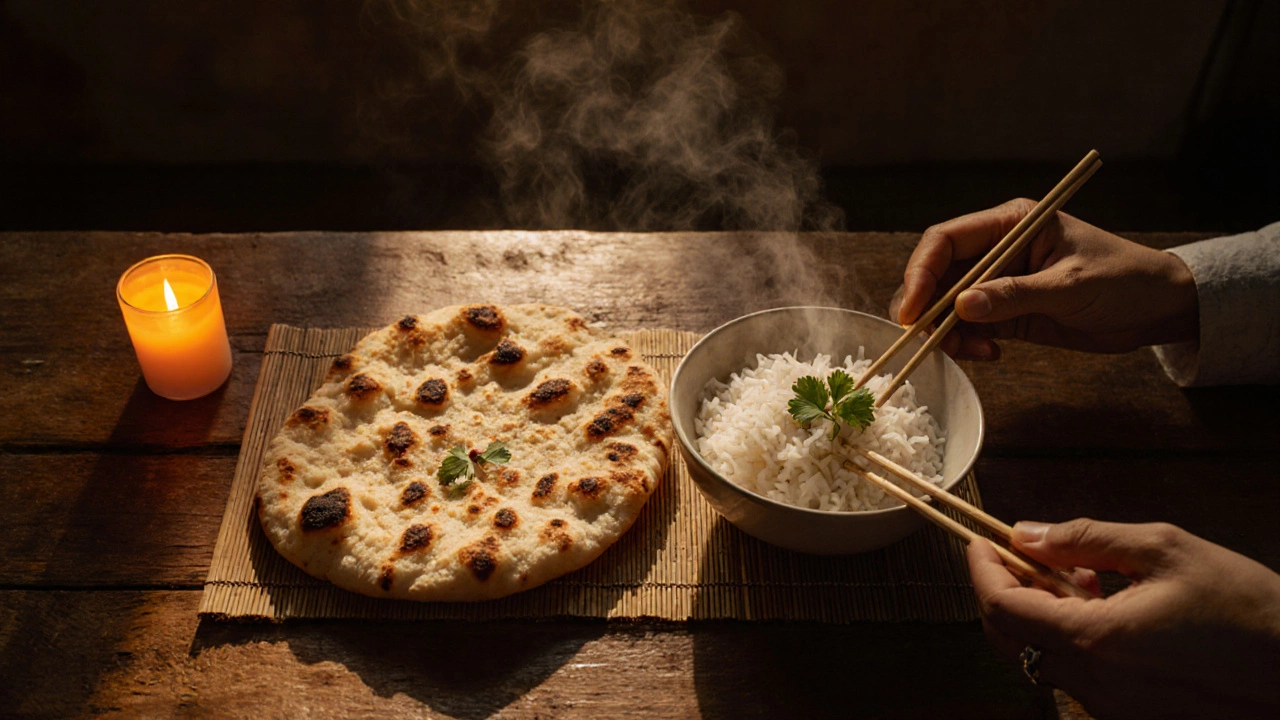
Naan vs Rice: Which Carbohydrate Does Your Body Prefer?
Explore the nutrition differences between naan and rice, covering calories, glycemic impact, protein, fiber, gluten concerns and practical tips for choosing the right carb for your health goals.
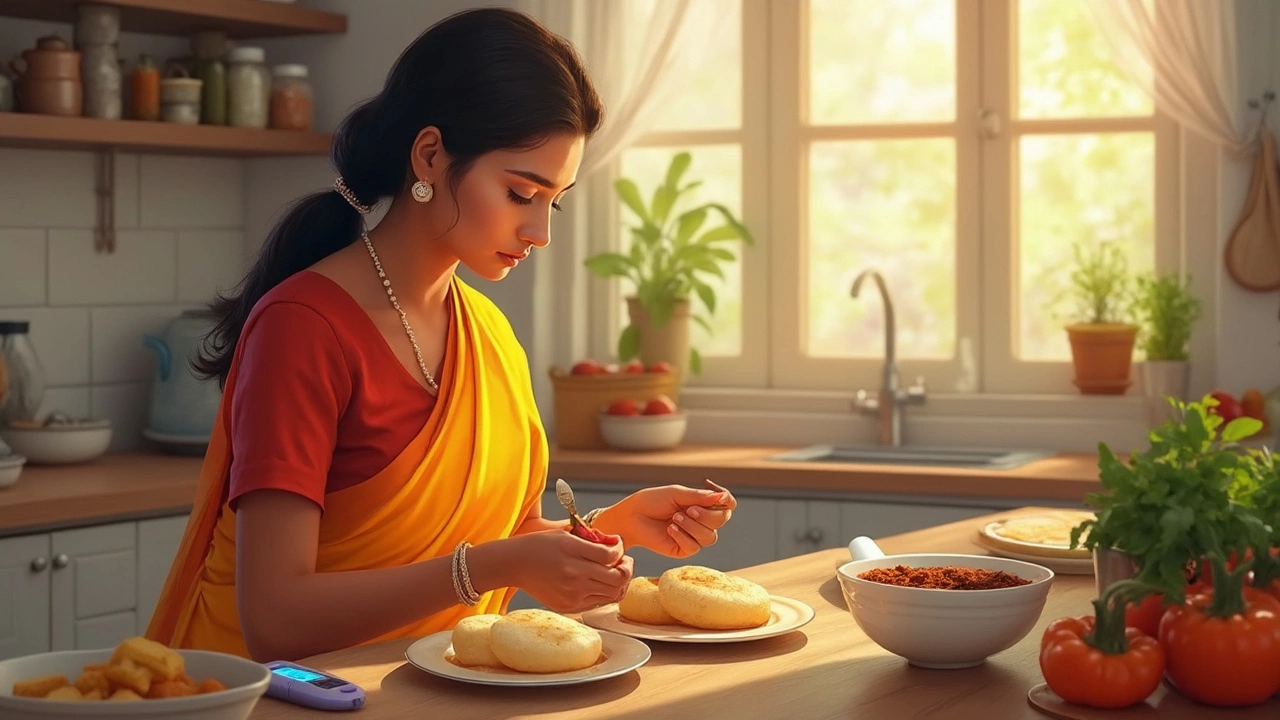
Can a Diabetic Person Eat Idli and Dosa? Expert Answers & Tips
Wondering if idli and dosa are safe for people with diabetes? This article dives deep into what happens when a diabetic person eats these South Indian staples, breaking down real nutrition facts, portion tips, and simple ways to make them healthier. Get concrete advice for managing your blood sugar without missing out on your favorite breakfast. Easy swaps, common pitfalls, and actionable tips included. No confusing jargon, just practical help.
Reduce the Glycemic Index of Your Dosa: Tips and Tricks
Dosa, beloved across many households, can be a challenge for those managing blood sugar levels due to its glycemic index. By tweaking the traditional ingredients and preparation methods, you can lower the glycemic index, making dosa a healthier option without compromising on taste. Using whole grains, adding fiber, and fermenting correctly can significantly change its impact on blood sugar. Dive into these practical tips to transform your dosa into a lower GI treat.