Healthy Eating in India: Simple Ways to Eat Better Every Day
When we talk about healthy eating, making food choices that support your body without sacrificing flavor or tradition. Also known as clean eating, it’s not about cutting out carbs or chasing superfoods—it’s about what’s already in your kitchen: fresh dal, spiced chutney, whole roti, and yogurt-marinated chicken. In India, healthy eating isn’t a trend—it’s a habit built over generations. It’s the reason your grandmother soaked lentils before cooking, why your aunt always adds turmeric to everything, and why street vendors serve chutney with every snack—not just for taste, but because it helps digestion.
What makes Indian food naturally good for you? It’s the anti-inflammatory foods, spices and ingredients that reduce swelling and support long-term wellness. Also known as healing spices, they include turmeric, ginger, cumin, and coriander—all common in daily meals. These aren’t just flavor boosters; they’re science-backed tools that fight inflammation, improve gut health, and even help with joint pain. And they’re not hidden in pills or powders—they’re in your morning dal, your evening chana masala, and even your homemade chutney. Then there’s the vegan Indian dishes, meals that don’t need dairy or meat to be satisfying and nutritious. Also known as plant-based Indian meals, they include dosa, sambar, khichdi, and roasted chana—foods that have fed families for centuries without a single drop of milk or butter. You don’t need to go vegan to benefit. Just knowing which dishes are naturally plant-based helps you eat smarter, whether you’re cooking for yourself or ordering out.
Healthy eating in India also means knowing what to skip—not because it’s forbidden, but because it’s unnecessary. That’s why we look at how chutney affects your body, why some dals need soaking and others don’t, and how to keep roti soft without preservatives. It’s about small, daily choices: using vinegar instead of lemon in paneer, choosing rice over naan when you need lower gluten, or eating a Bobo breakfast of roasted chana and roti because it’s quick, filling, and clean. These aren’t fancy tricks. They’re just smart habits that fit into real life.
Below, you’ll find real advice from real kitchens—no fluff, no gimmicks. Just how to make your meals healthier, tastier, and easier to stick with. Whether you’re trying to reduce inflammation, cut dairy, or just eat better without changing your whole routine, you’ll find something that works.
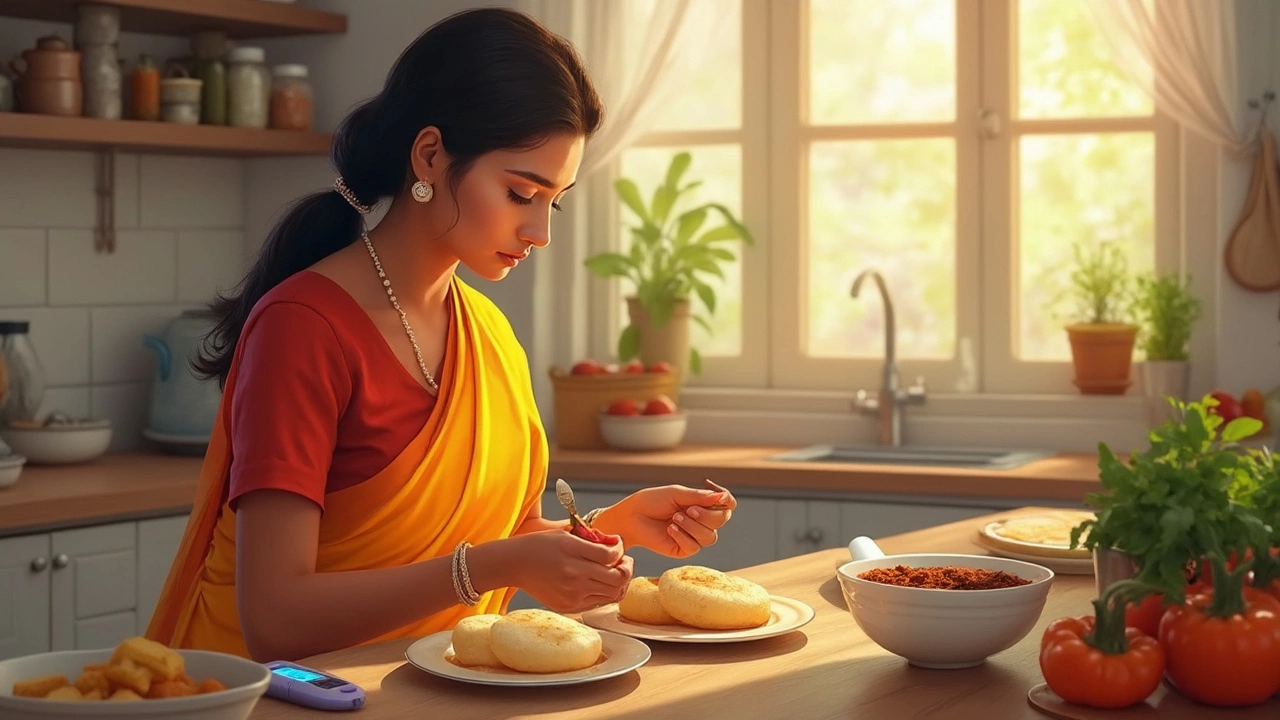
Can a Diabetic Person Eat Idli and Dosa? Expert Answers & Tips
Wondering if idli and dosa are safe for people with diabetes? This article dives deep into what happens when a diabetic person eats these South Indian staples, breaking down real nutrition facts, portion tips, and simple ways to make them healthier. Get concrete advice for managing your blood sugar without missing out on your favorite breakfast. Easy swaps, common pitfalls, and actionable tips included. No confusing jargon, just practical help.
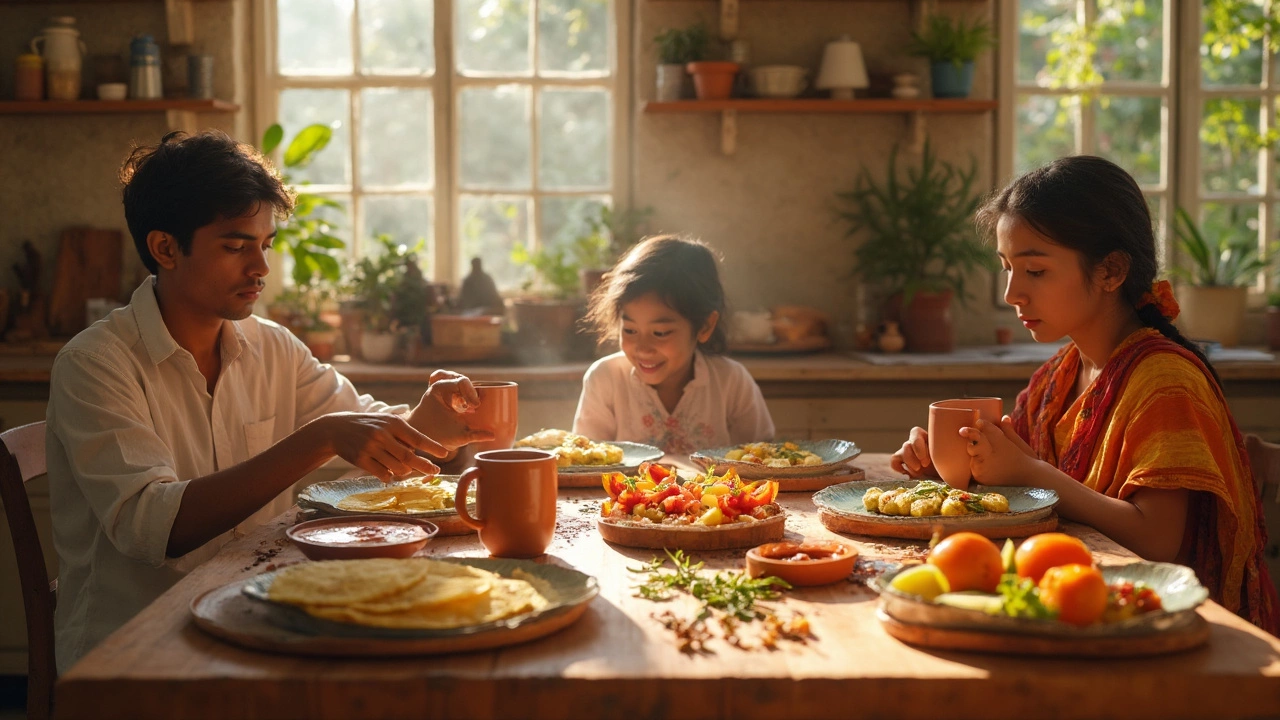
Healthiest Breakfast Choices: Indian Snacks That Start Your Day Right
Ever wondered what’s actually healthiest to eat for breakfast? This article cuts through the confusion, focusing on Indian snacks that aren’t just tasty but also pack a nutritional punch. From protein-rich picks to quick, practical tips, you’ll get ideas that fit real-life Indian kitchens. No endless ingredient lists—just easy, healthy, everyday options. Discover why a good breakfast sets you up for the day.
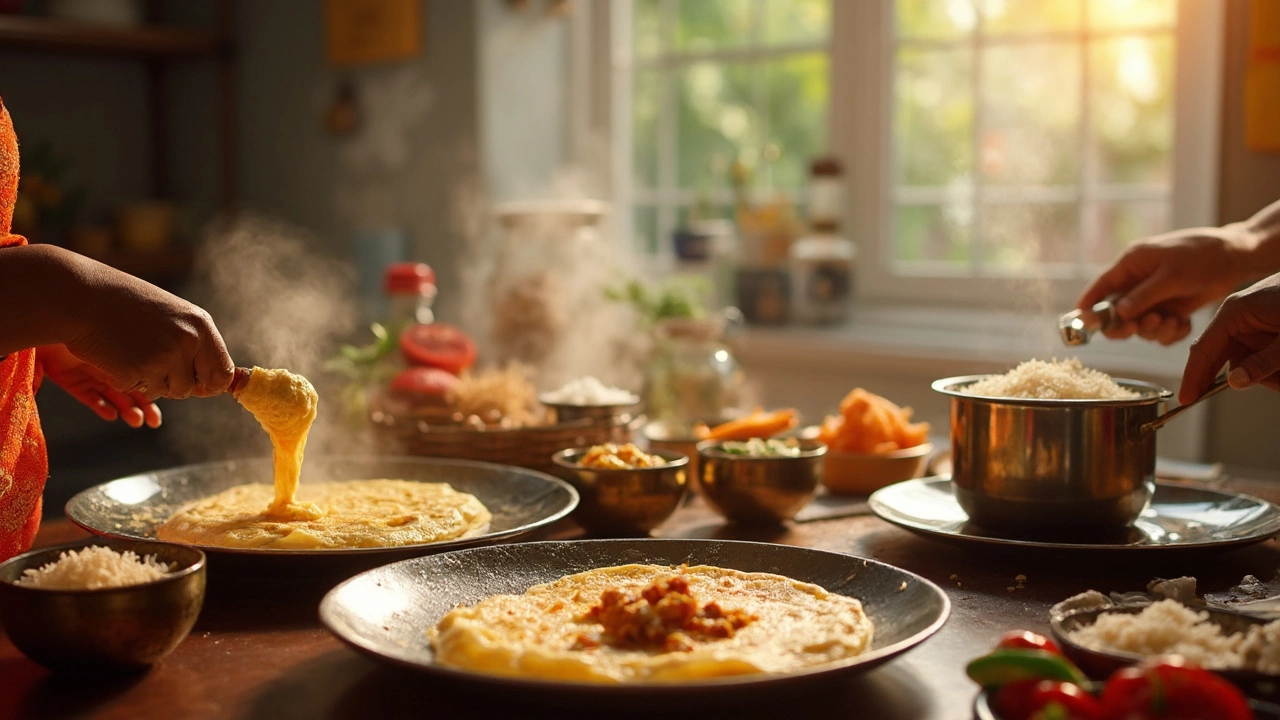
Is Dosa Healthier or Rice? Nutrition Facts You Should Know
Figuring out if dosa is healthier than plain rice isn’t as clear-cut as you’d think. Both are staple foods you’ll find on most Indian tables, but their nutrition, benefits, and impact on your body can be surprisingly different. This article breaks down calories, nutrients, and even little-known facts about how they’re made. If you’re torn between dosa and rice, or simply want to know which fits better into your diet, you’ll find practical answers here. You’ll also get useful tips to make both options healthier at home.
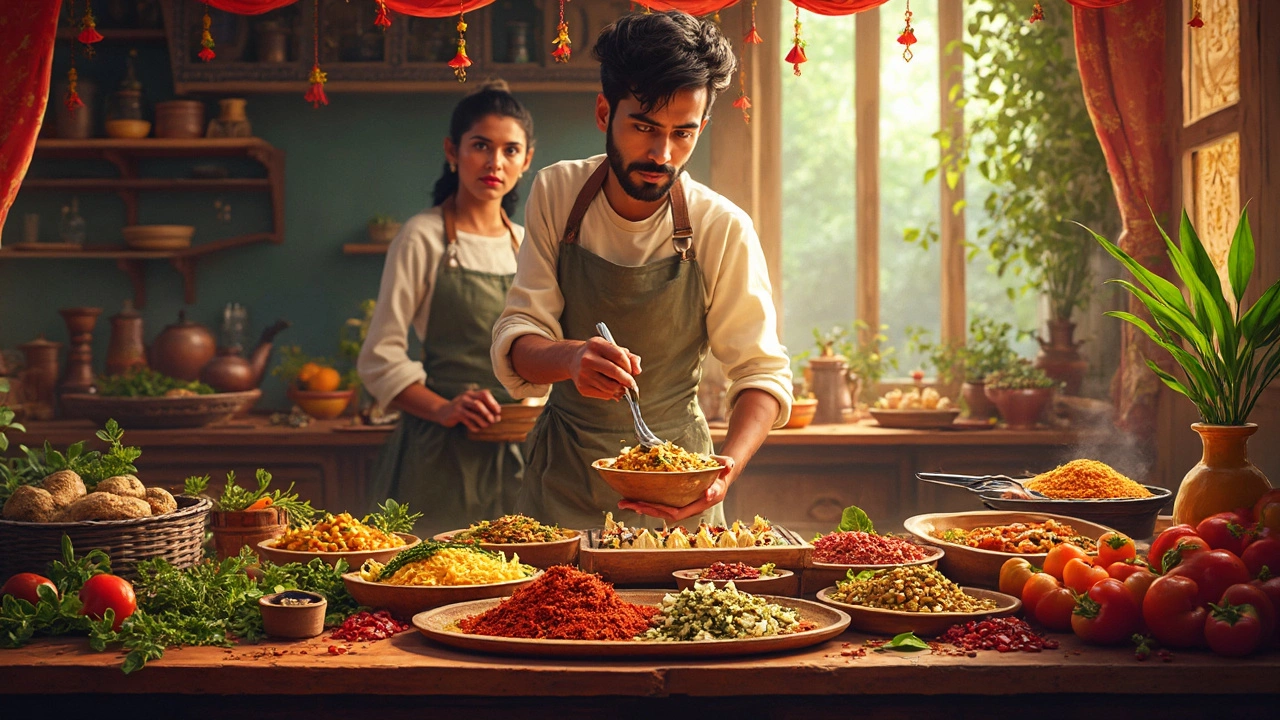
Is Indian Food Healthier than Chinese?
Deciding whether Indian or Chinese cuisine is healthier can be tricky, as both have unique flavors and nutritional benefits. Indian food often features a rich mix of spices and plant-based ingredients, while Chinese cuisine prioritizes balanced flavors and quick cooking methods. This article explores the health aspects of both, includes simple and healthy Indian recipes, and provides tips to make your cooking more nutritious.