How to Fix Bitter Lentils: Simple Fixes for Better Dal
When your bitter lentils, a common problem in Indian cooking where lentils develop an unpleasant, sharp taste due to improper handling or old ingredients ruin your dal, it’s not your fault—it’s usually a small mistake in prep or cooking. Many people think bitter lentils mean the batch is spoiled, but often, it’s just a matter of timing, water quality, or how you rinse them. The good news? You can fix it in minutes, even after the pot’s on the stove. This isn’t about fancy ingredients or complicated techniques. It’s about knowing what actually causes the bitterness and how to stop it before it starts.
Most often, the bitterness comes from lentils, small legumes used daily in Indian homes, from masoor dal to toor dal, known for their protein-rich, quick-cooking nature that weren’t rinsed well. Dirt, dust, and tiny bits of husk left behind can turn bitter when boiled. Always rinse them under cold water until the water runs clear—don’t skip this step. Another big culprit is overcooking, when lentils are boiled too long or at too high a heat, causing natural compounds to break down and release a harsh flavor. You don’t need to cook them until they’re mushy. Most dals are done when they’re soft but still hold shape. And if you’re using older lentils, they’re more likely to taste bitter. Buy in small batches and store them in a cool, dry place.
Here’s what actually works: if your dal already tastes bitter, add a pinch of sugar or a squeeze of lemon juice. Sugar doesn’t make it sweet—it balances the bitterness. Lemon adds acidity that cuts through the harshness, just like it does in chutneys and curries. Some cooks swear by a small piece of tamarind or a dash of roasted cumin powder stirred in at the end. These aren’t magic fixes—they’re kitchen hacks passed down through generations. You’ll also find that toasting spices, a technique used in Indian cooking to release flavor before adding liquids, which prevents raw or bitter notes in the final dish properly before adding water makes a huge difference. Don’t just throw cumin or mustard seeds into boiling water. Heat them in oil first, until they sizzle and smell nutty. That step alone stops bitterness before it begins.
And if you’re using store-bought lentils, check the packaging date. Lentils don’t expire like milk, but they lose freshness fast. If they smell off or look dull, toss them. Fresh lentils smell earthy, not dusty or sour. You don’t need expensive brands—just pay attention. This isn’t about perfection. It’s about making your dal taste like it should: comforting, rich, and clean. The posts below show you exactly how others fixed their bitter lentils, from quick fixes mid-cook to long-term storage tips that stop the problem before it starts. No fluff. Just what works.
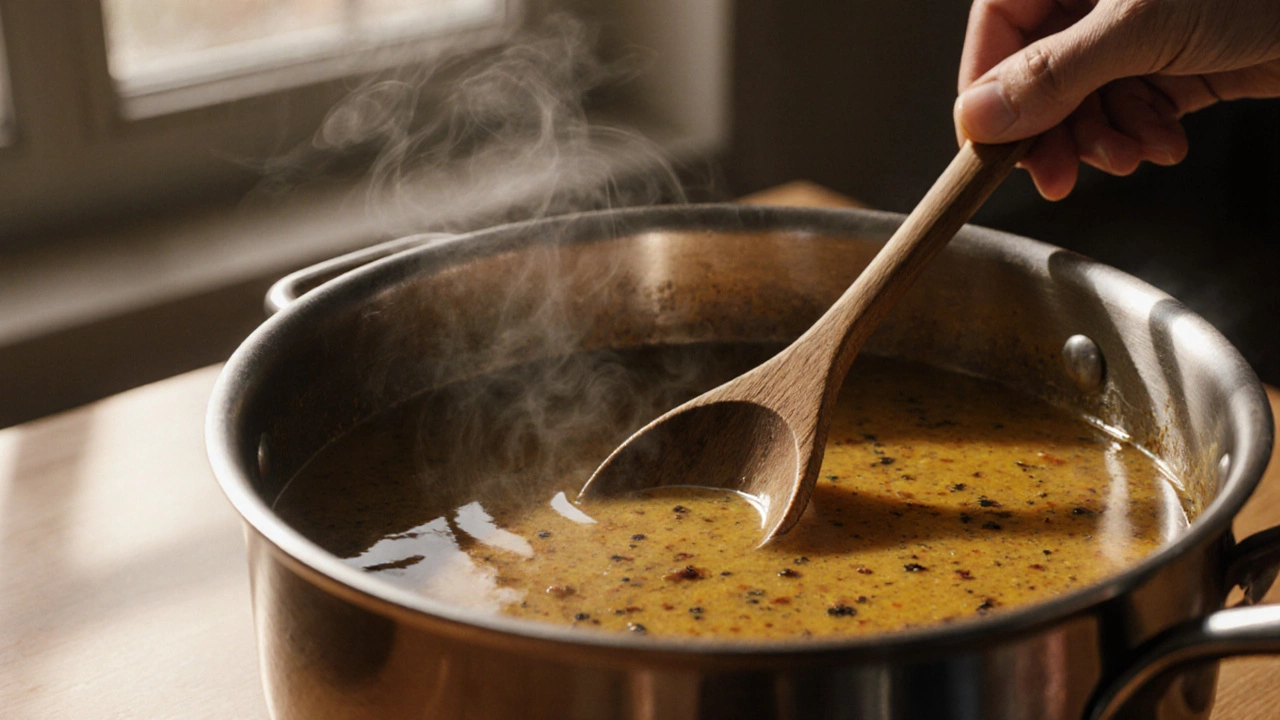
How to Remove Bitterness from Lentils - Simple Dal Tips
Learn practical ways to eliminate bitter taste from lentils using rinsing, soaking, baking soda, acids, spices, and pressure cooking for perfect dal every time.