Indian Chutney Health: Benefits, Ingredients, and Why It’s More Than Just a Condiment
When you think of Indian chutney, a tangy, spicy, or sweet condiment made from fresh fruits, herbs, or vegetables, often used to balance meals in Indian cuisine. Also known as chatni, it’s not just a side—it’s a functional part of every meal, packed with ingredients that support digestion, reduce inflammation, and boost immunity. Unlike store-bought sauces loaded with sugar and preservatives, traditional Indian chutney is made fresh, often daily, using ingredients like mint, cilantro, tamarind, coconut, and green chilies—all of which have real, measurable health benefits.
Take tamarind, a sour fruit pulp used in many chutneys for its tangy flavor and natural acidity. It’s rich in antioxidants and helps regulate blood sugar levels, making it a smart choice for everyday eating. Then there’s turmeric, a golden spice often added to chutneys for its anti-inflammatory properties. Studies show curcumin, its active compound, helps calm inflammation in the gut and joints. Even garlic and ginger, common in chutney recipes, aren’t just for taste—they’re natural antimicrobials that support immune health. These aren’t random additions; they’re intentional, time-tested choices that turn a simple dip into a health booster.
Chutney also replaces unhealthy condiments. Instead of mayo-based dips or sugary ketchups, a spoonful of coconut chutney or mint-cilantro chutney adds flavor without the crash. It’s low in calories, high in fiber from fresh herbs, and naturally free of artificial additives. Plus, the fermentation in some chutneys—like those made with raw mango or fenugreek—introduces beneficial probiotics that help your gut thrive. This is why so many Indian households keep a jar in the fridge: it’s not just a flavor enhancer, it’s daily medicine in a bowl.
You’ll find these same ingredients in the posts below—how to preserve chutney safely, why it’s not the same as jam, and how heat affects its nutrients. Some recipes use coconut, others use pomegranate or tamarind, but they all share one thing: they’re made from real food, not chemicals. Whether you’re looking to reduce inflammation, improve digestion, or just eat better without sacrificing taste, the chutneys here are your shortcut. No supplements. No gimmicks. Just fresh ingredients, simple methods, and real results.
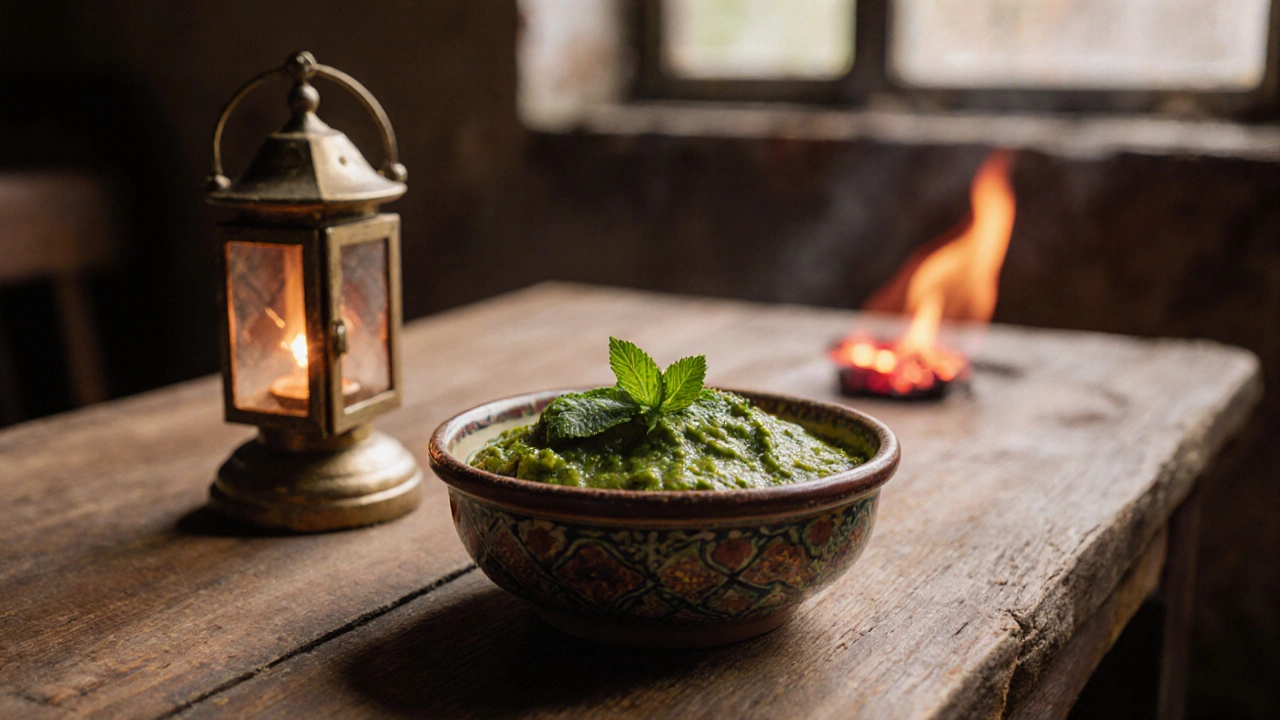
Chutney and Inflammation: Benefits, Risks & Anti‑Inflammatory Recipes
Discover if chutney can fight inflammation, the science behind its spices, how to boost its health benefits, and a quick anti‑inflammatory recipe.