Indian Cooking: Essential Techniques, Ingredients, and Traditions
When you think of Indian cooking, a vibrant, spice-driven culinary tradition rooted in regional diversity and fresh ingredients. Also known as Indian cuisine, it’s not just about curry—it’s a system of techniques passed down through generations, built on timing, texture, and balance. Whether you’re making soft roti from scratch, fermenting dosa batter overnight, or slow-cooking biryani with perfectly boiled basmati rice, Indian cooking rewards patience and attention to detail.
It’s not just the spices that make it special—it’s how they’re used. Paneer, a fresh, unaged cheese made by curdling milk with acid. Also known as Indian cottage cheese, it’s the star of dozens of dishes and doesn’t need aging or pressing like Western cheeses. You don’t need lemon to make it—vinegar or citric acid work just fine. And then there’s chutney, a savory, tangy condiment made from herbs, fruits, or vegetables, not sweet like jam. Also known as Indian relish, it’s the flavor punch that cuts through rich curries and fried snacks. The difference between a good chutney and a bad one? Temperature when you jar it. Hot jars prevent mold. Cold jars invite spoilage. Simple. No guesswork.
Indian cooking isn’t fancy. It’s practical. It’s about knowing when to soak lentils and when you don’t need to. It’s about why rice goes over roti in some homes—not because it’s traditional for tradition’s sake, but because it traps steam and keeps both warm longer. It’s about why tandoori chicken tastes different from chicken tikka, even though they look alike. One is marinated longer, cooked hotter, and served with char. The other is smaller, grilled faster, and eaten as a snack. These aren’t just recipes—they’re rules you learn by doing.
You’ll find guides here on how to make roti round every time, how to keep it soft for days without plastic wrap, and how to fix bitter dal with a pinch of baking soda. You’ll learn why street food in India can be safe if you know what to look for, and why tata means goodbye on the streets of Mumbai. This isn’t a collection of random recipes. It’s a toolkit. Every post answers a real question someone had while cooking. No fluff. No theory. Just what works.
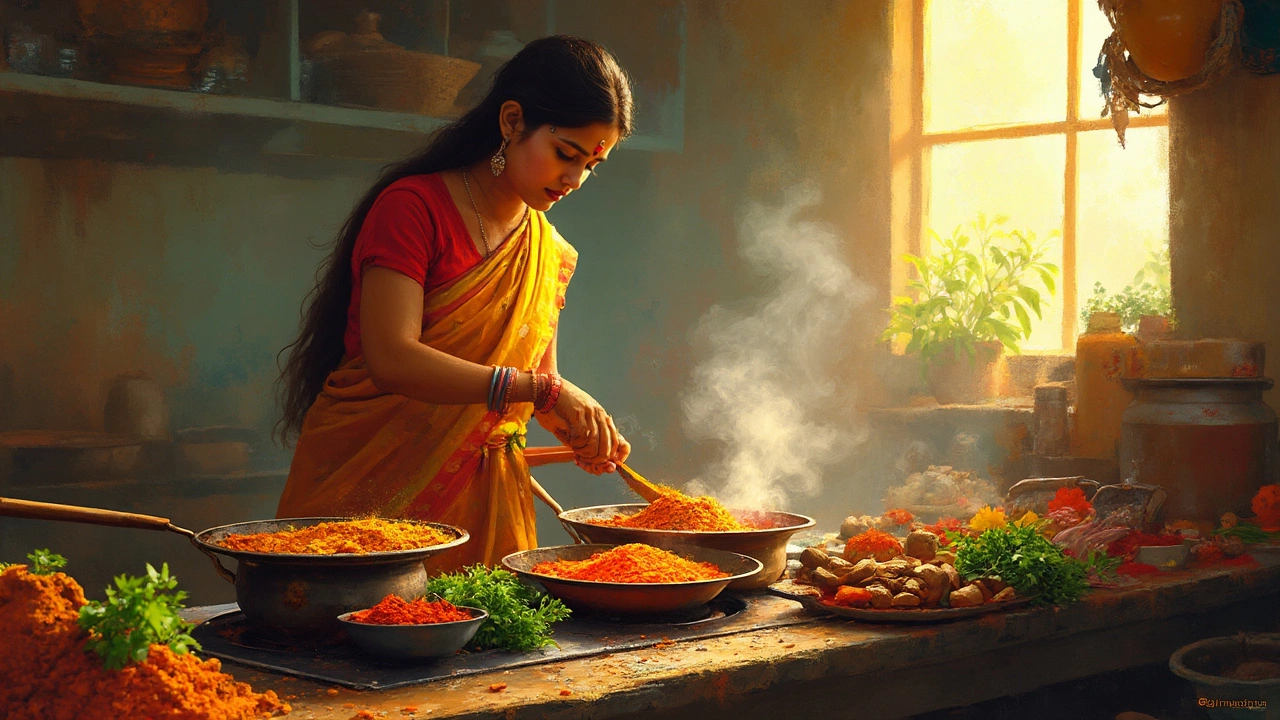
What's the Most Common Indian Meal?
Indian cuisine is a delightful jumble of fragrant spices and vibrant flavors, but you don't have to be a chef to enjoy some of the most common Indian meals. Sure, biryani sounds fancy, but there's so much more out there that's simple to whip up. This guide will walk you through the staples of Indian cooking, offer handy tips, and help make these delightful dishes a regular part of your culinary repertoire.
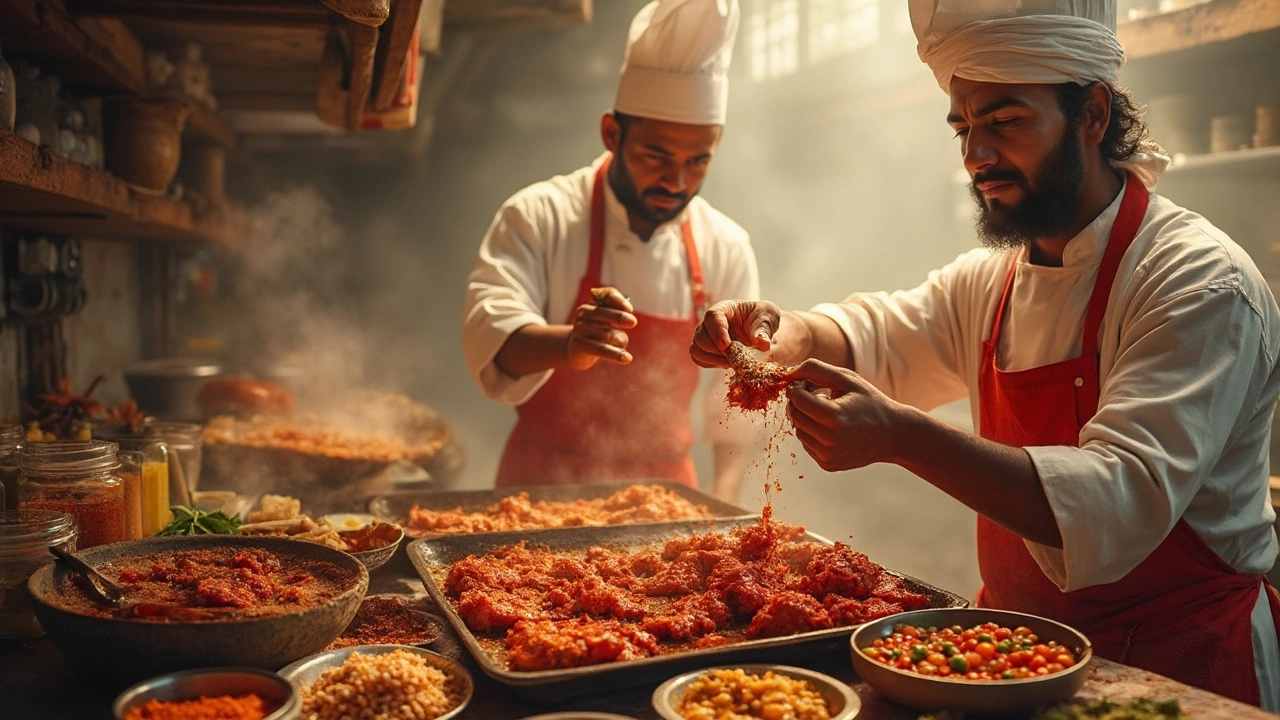
Are Tandoori and Tikka Paste the Same? Let's Unravel the Mystery
Tandoori and tikka pastes might seem interchangeable, but they each bring unique flavors to dishes. While both are key to achieving authentic Indian cuisine, they have distinct ingredients and uses. Dive into the world of these pastes to understand their differences and how to best use them in your cooking. Whether you're preparing a smoky tandoori chicken or a spicy tikka, this guide will help you make the perfect choice.