Indian Curry Components: Essential Ingredients and How They Work Together
When you think of Indian curry components, the foundational elements that give Indian curries their depth, heat, and aroma. Also known as curry base, it’s not just a mix of spices—it’s a system of flavors built layer by layer, starting with whole seeds and ending with fresh herbs. This isn’t magic. It’s chemistry, tradition, and smart cooking all in one pot.
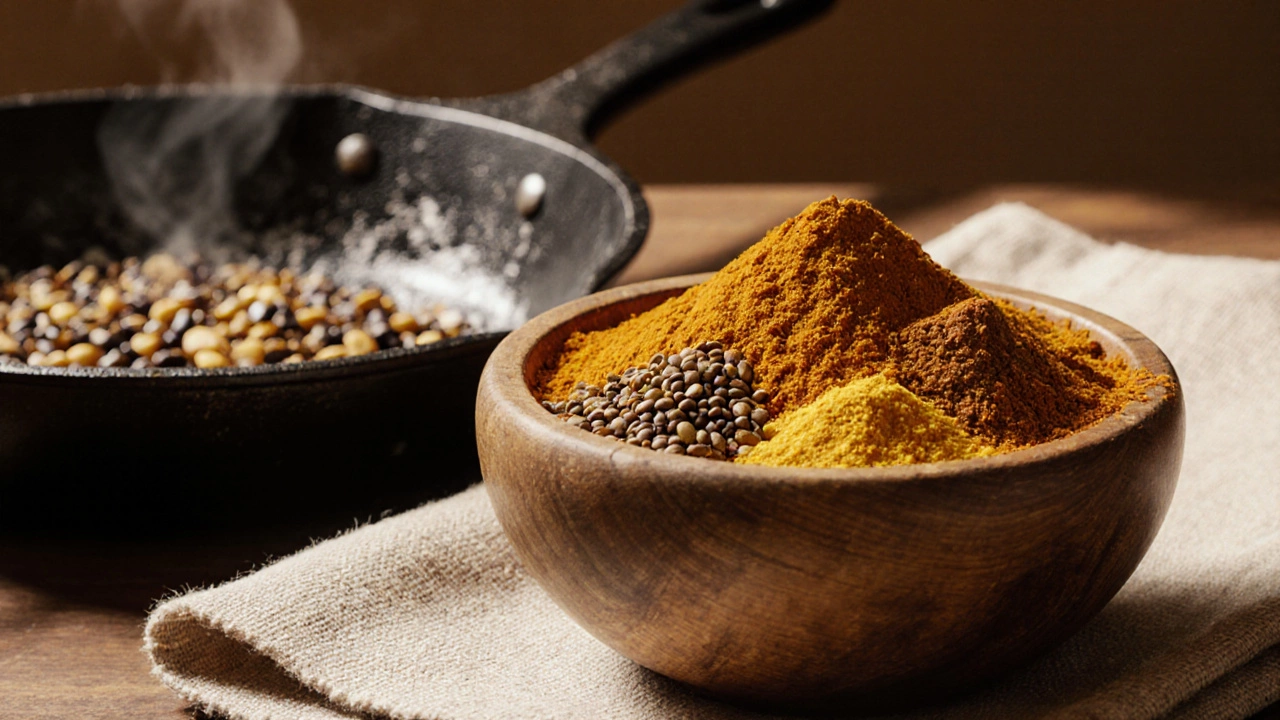
Every great Indian curry starts with curry spices, a blend of dried seeds, roots, and pods roasted and ground to unlock their oils and aromas. Cumin, coriander, turmeric, and mustard seeds aren’t just flavor boosters—they’re the backbone. Turmeric gives color and anti-inflammatory power, cumin adds earthiness, and coriander balances it all. Then come the heat sources: dried red chilies, black peppercorns, or green chilies depending on the region. These aren’t optional. Skip them, and you lose the soul of the dish.
Next is the curry paste, the wet foundation made from ginger, garlic, onions, and sometimes tomatoes or coconut. This isn’t just a base—it’s the glue that holds everything together. Onions caramelize slowly to add sweetness, ginger and garlic bloom in oil to release their punch, and tomatoes bring acidity to cut through richness. In South India, you’ll find coconut milk or grated coconut adding creaminess. In the North, yogurt or cream might step in. The paste isn’t thrown in at the end. It’s cooked until the oil separates—that’s when you know it’s ready.
And then there’s the tandoori spices, a subset of curry components used in high-heat cooking, especially for meats and paneer. These include garam masala, smoked paprika, and fenugreek leaves. They’re added at the end or during marination, not cooked for long. That’s why tandoori chicken tastes so different from a slow-simmered dal makhani. One is smoky and sharp; the other is deep and mellow.
What you won’t find in most curry recipes? A single spice mix labeled "curry powder." That’s a British invention. Real Indian curries are built from scratch, using whole spices toasted in oil, ground fresh, or added whole to infuse flavor. The difference is like comparing bottled lemon juice to squeezing a fresh one.
And don’t forget the finishing touches: fresh cilantro, a squeeze of lime, or a sprinkle of amchoor (dry mango powder). These aren’t garnishes—they’re flavor correctors. They brighten up heavy dishes, balance saltiness, or add tang when something feels flat.
Every recipe you’ll find below dives into one of these pieces—the spice blend that makes chana masala pop, the paste that turns a simple tomato curry into something unforgettable, the way yogurt changes the texture of paneer without lemon. You’ll see how to fix bitter lentils, why chutney isn’t jam, and how to make roti that doesn’t get hard by lunchtime. These aren’t random tips. They’re all connected to the same thing: understanding how Indian curry components work together, one ingredient at a time.
Common Curry Ingredients Every Home Cook Should Know
Discover the essential spices, aromatics, and liquids that define a classic curry, with tips for chicken curry, dietary tweaks, and a step‑by‑step guide.