Indian Curry Tips: Master the Flavors, Spices, and Techniques
When you think of Indian curry, a rich, spiced stew made with meat, vegetables, or legumes, simmered in a base of aromatics and spices. Also known as curry dish, it’s the heart of countless Indian meals—not because it’s complicated, but because it’s deeply understood by generations of home cooks. A great curry isn’t about throwing spices into a pot and hoping for the best. It’s about layering flavors the right way, at the right time. The secret isn’t in the quantity of spices—it’s in the order you add them, the heat you use, and how long you let them bloom.
One key thing most beginners miss: curry spices, a blend of ground seeds, roots, and dried fruits that form the soul of Indian curries don’t work the same way as herbs. Cumin, coriander, turmeric, and mustard seeds need oil and heat to unlock their flavor. If you toss them in cold, they taste raw and bitter. But if you let them sizzle in hot oil until they smell nutty and fragrant? That’s when the magic starts. This step, called tempering, the process of frying whole or ground spices in oil or ghee to release their essential oils, is non-negotiable. Skip it, and your curry will taste flat, no matter how much garlic or tomato you add.
Another big mistake? Adding acid too early. Lemon juice, tamarind, or yogurt—these brighten the dish, but they also stop spices from releasing their full potential. Add them toward the end, after the spices have cooked and the base has thickened. That’s how you get depth, not just heat. And don’t forget the curry base, the foundational mixture of onions, ginger, garlic, and tomatoes that gives curry its body and balance. It’s not just background—it’s the stage where all the flavors meet. Cook it slow, stir often, and let it caramelize. That’s where the richness comes from.
People think curry is all about spice levels, but the real skill is in balance. Too much chili? Burnt. Too little? Boring. Too much garam masala? Overpowering. The best curries have layers—earthy, sweet, tangy, spicy—all working together. That’s why you’ll see Indian home cooks taste and adjust at every step. They don’t follow recipes blindly. They listen to the pot.
And here’s something you won’t find in most cookbooks: the power of resting. Many curries taste better the next day. Why? Because the spices keep marrying into the sauce. The flavors settle, soften, and deepen. If you can, make it ahead. Reheat it gently, and you’ll get a richer, more complex dish.
What you’ll find in the posts below aren’t just recipes—they’re real, tested tips from people who cook Indian food every day. Whether it’s how to fix a bitter lentil curry, why yogurt makes chicken tender, or how to build a base without tomatoes, these are the tricks that turn good curry into great curry. No fluff. No fancy terms. Just what works.
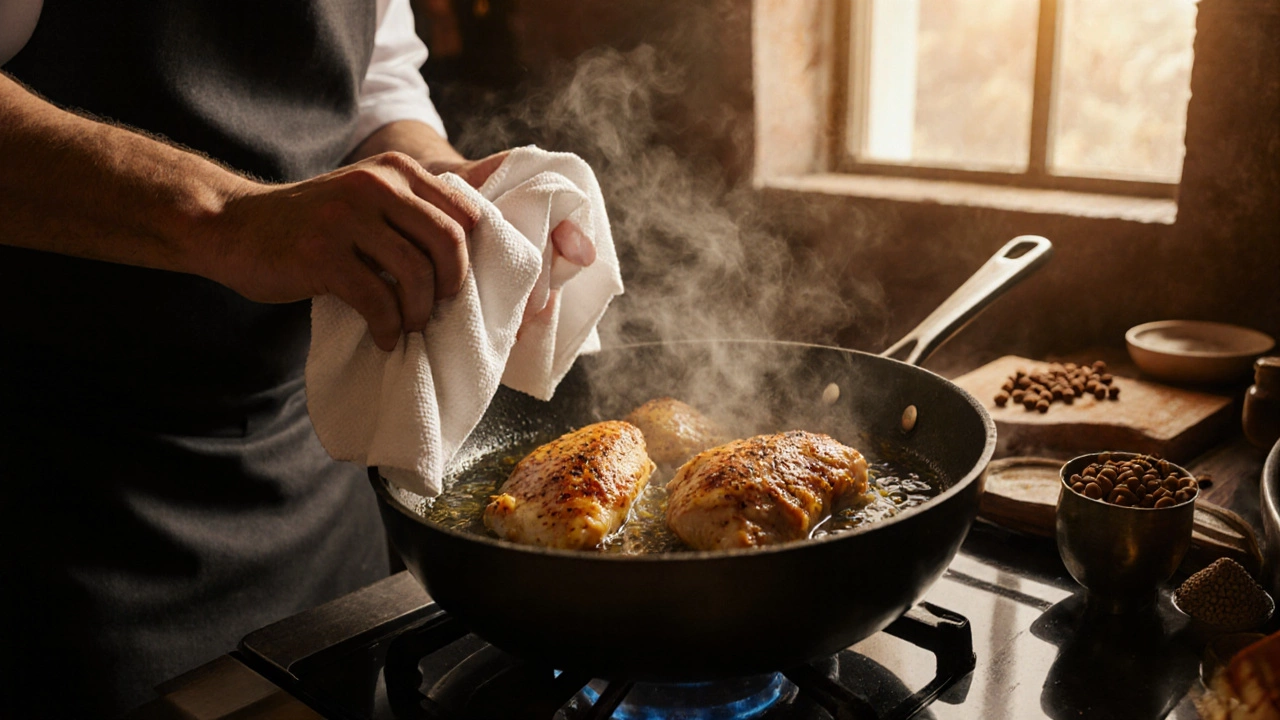
Can You Put Raw Chicken Into a Curry? The Safe, Simple Way to Cook It Right
Yes, you can put raw chicken into a curry-but only if you sear it first and cook it to 74°C. Learn the right way to add raw chicken for tender, flavorful results every time.