Indian Recipes: Authentic Dishes, Simple Tricks, and Real Flavor
When you think of Indian recipes, a rich collection of regional dishes built on fresh spices, slow-cooked lentils, and hand-rolled bread. Also known as home-style Indian cooking, it’s not about fancy restaurants—it’s about what’s served on the kitchen counter every morning, lunchtime, and dinner. These recipes don’t need fancy tools. Just a tawa, a pressure cooker, and a little patience.
You’ll find roti, the everyday flatbread that’s soft, warm, and made with just flour, water, and salt. Also known as chapati, it’s the backbone of most Indian meals, whether served with dal, curry, or just a smear of ghee. Making it round isn’t magic—it’s technique. And keeping it soft for days? That’s a trick passed down through generations. Then there’s paneer, fresh Indian cheese made by curdling milk with vinegar or lemon juice. Also known as Indian cottage cheese, it’s the star in curries, snacks, and even breakfasts. But what if you don’t have lemon? Or what if your paneer turns out crumbly? We’ve got the fixes.
Chutney, a tangy, spicy condiment made from herbs, fruits, or vegetables. Also known as Indian relish, it’s not jam. It’s not sauce. It’s a flavor punch meant to balance rich food. You jar it hot. You store it right. And you use it with everything—from dosa to biryani. Speaking of biryani, the layered rice dish with meat, spices, and saffron that’s famous across India and beyond. Also known as Indian rice feast, it’s not just about cooking rice—it’s about timing, layering, and steam. Get the boiling time wrong, and you ruin the whole pot. We show you exactly how long to soak, how long to boil, and how to seal it for that perfect dum.
These aren’t restaurant dishes. These are the meals that fill Indian homes. The ones you eat with your hands. The ones that make you forget about takeout. You’ll find out why tandoori chicken is so juicy, why some dals don’t need soaking, and why street food can be safe if you know what to pick. You’ll learn what makes a Bobo breakfast so popular, why rice goes over roti in some homes, and how to make your chutney fight inflammation instead of cause it.
Every recipe here comes from real kitchens—not food blogs with staged lighting. No complicated steps. No hard-to-find ingredients. Just clear, tested advice for people who want to cook better, eat healthier, and enjoy the flavor of real Indian food—right at home.
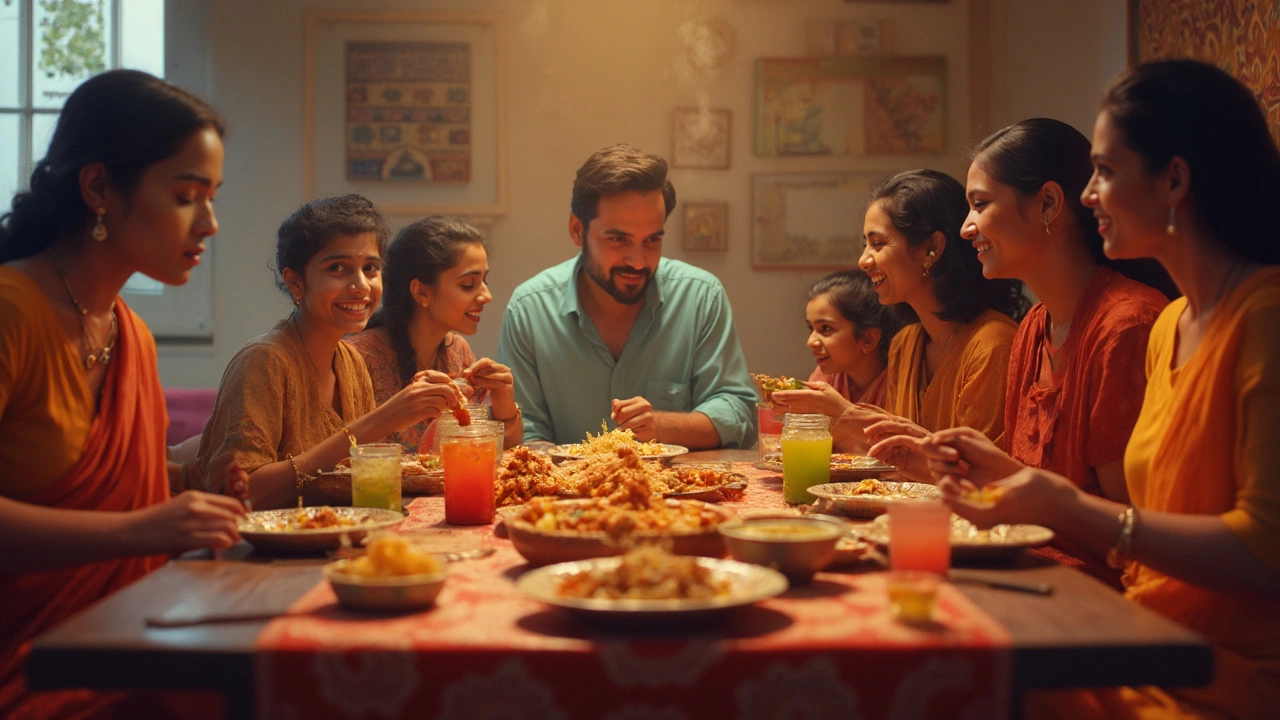
Chutney: Should You Serve It Warm or Cold?
Ever wondered if chutney should hit the table warm or straight from the fridge? This article compares both options and shares which chutney types work best at different temperatures. You'll get tips on pairing chutney with snacks and meals, plus tricks to avoid common serving mistakes. Expect practical advice and fun facts that could change the way you serve chutney forever. If you ever reached for that jar and paused—this guide is for you.
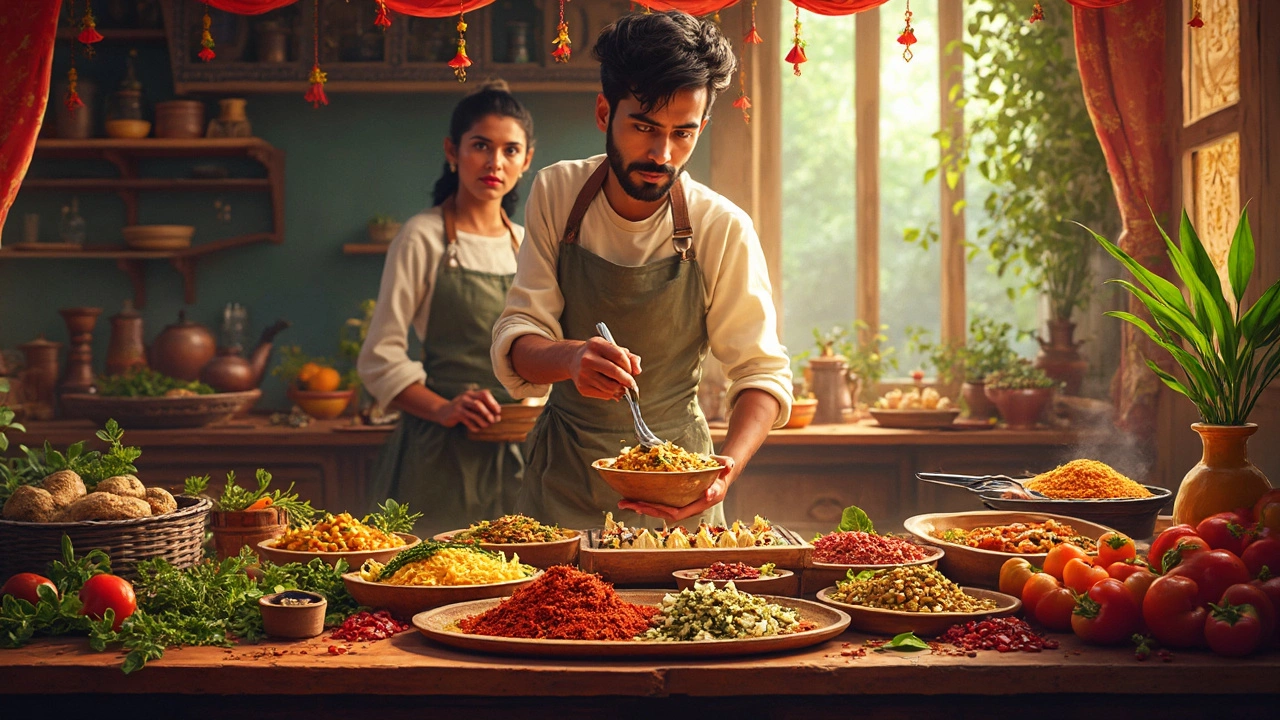
Is Indian Food Healthier than Chinese?
Deciding whether Indian or Chinese cuisine is healthier can be tricky, as both have unique flavors and nutritional benefits. Indian food often features a rich mix of spices and plant-based ingredients, while Chinese cuisine prioritizes balanced flavors and quick cooking methods. This article explores the health aspects of both, includes simple and healthy Indian recipes, and provides tips to make your cooking more nutritious.
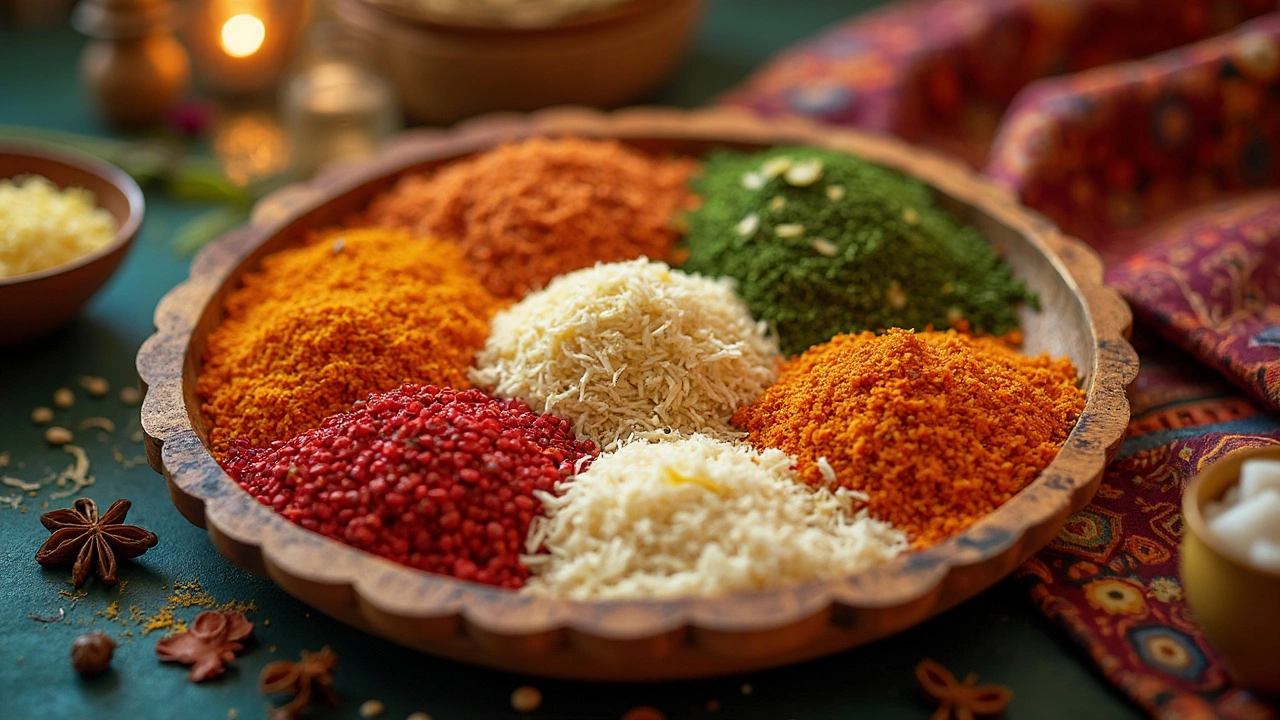
Discover the Delight of India's Dinner-Ending Sweet Treat
Ever wondered about the sweet conclusion to an Indian meal? Dive into the world of Mukhwas and Pan, traditional Indian treats that finish off a dinner with flavor and freshness. Both are rich in history and easily customizable at home. Explore how these unique sweets offer a perfect blend of tradition and taste, making every meal satisfyingly complete.
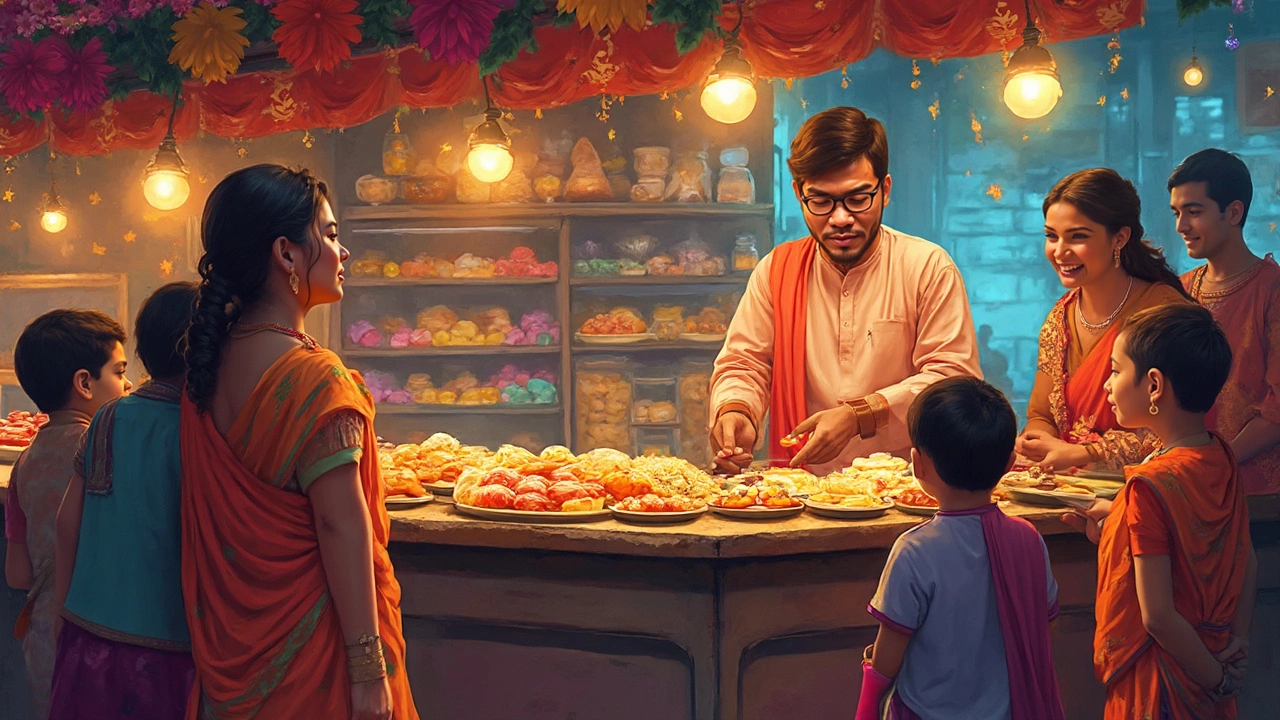
Do Indians Really Have a Sweet Tooth? Exploring the World of Indian Sweets
India is famous for its rich and diverse culinary traditions, and sweets hold a special place in this vibrant tapestry. From festivals to everyday meals, sweets are a staple in Indian households. Dive into the fascinating world of Indian sweets, discover popular recipes, and learn the cultural significance these delightful treats hold.