Indian Snacks Nutrition: What You're Really Eating and Why It Matters
When you think of Indian snacks nutrition, the balance of flavor, tradition, and health in everyday bite-sized foods. Also known as street food nutrition, it's not just about calories—it's about how spices, cooking methods, and ingredients affect your energy, digestion, and long-term health. Most people assume Indian snacks are either deep-fried junk or healthy chaat. The truth? It’s way more mixed than that. A samosa from a roadside stall can have more trans fat than a burger, while a handful of roasted chana might be one of the best protein-rich snacks you can eat. The difference isn’t just in taste—it’s in how they’re made, what’s in them, and when you eat them.
Traditional Indian snacks, foods like khandvi, dhokla, and murukku that have been passed down for generations. Also known as home-style munchies, these are often steamed, baked, or lightly fried with minimal oil and packed with lentils, rice, or whole grains. They’re naturally lower in sugar and don’t rely on refined flour or artificial flavors. Compare that to packaged namkeens or fried bhajjis, which are loaded with hydrogenated oils and sodium. A 2022 study from the Indian Journal of Public Health found that 7 out of 10 packaged Indian snacks contained more than 500mg of sodium per serving—nearly half the daily limit. That’s not just salty—it’s a hidden risk for blood pressure and heart health.
Indian street food health, how the way snacks are prepared in busy markets impacts safety and nutritional value. Also known as urban snack safety, this isn’t about avoiding street food—it’s about knowing what to look for. Freshly made chutneys with turmeric and ginger? That’s anti-inflammatory. Deep-fried snacks sitting under heat lamps for hours? That’s oxidized oil. The same snack—like a pani puri—can be a nutrient boost or a gut stressor depending on the vendor’s hygiene and ingredients. And here’s the kicker: many people skip breakfast but snack all day. If those snacks are low in fiber and high in empty carbs, you’re setting yourself up for energy crashes, cravings, and weight gain.
What you’ll find in the posts below isn’t a list of "good" or "bad" snacks. It’s a practical guide to understanding what’s really in them. You’ll learn why paneer-based snacks can be high in protein but also high in saturated fat, how chutneys can fight inflammation or spike blood sugar, and why some "healthy" Indian snacks like sev puri are actually just fried carbs with a side of salt. You’ll see how soaking lentils, using mustard oil, or swapping refined flour for chickpea flour changes the game. No fluff. No myths. Just clear, real-world insights from people who cook these foods every day.
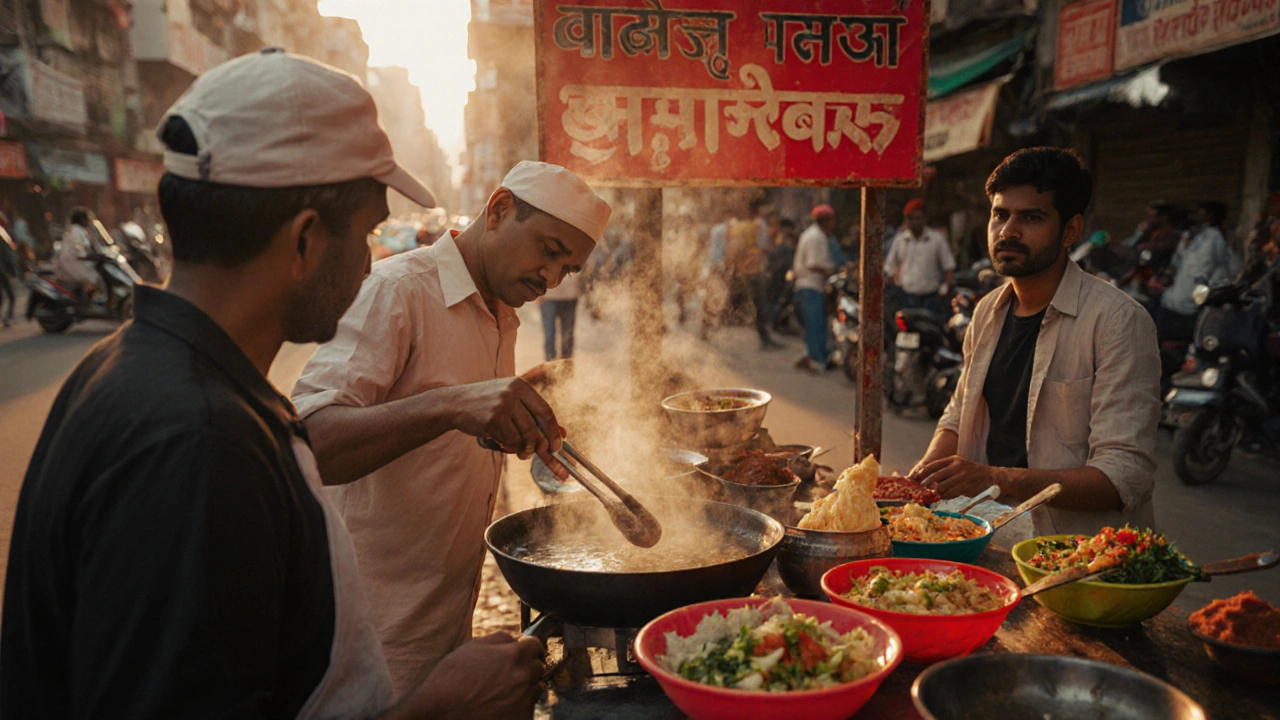
Is Street Food in India Healthy? What You Really Need to Know
Street food in India is flavorful and affordable, but is it healthy? Learn what makes it safe or risky, which dishes are best, and how to enjoy it without getting sick.