Ingredients in Indian Cooking: Essential Spices, Staples, and Substitutes
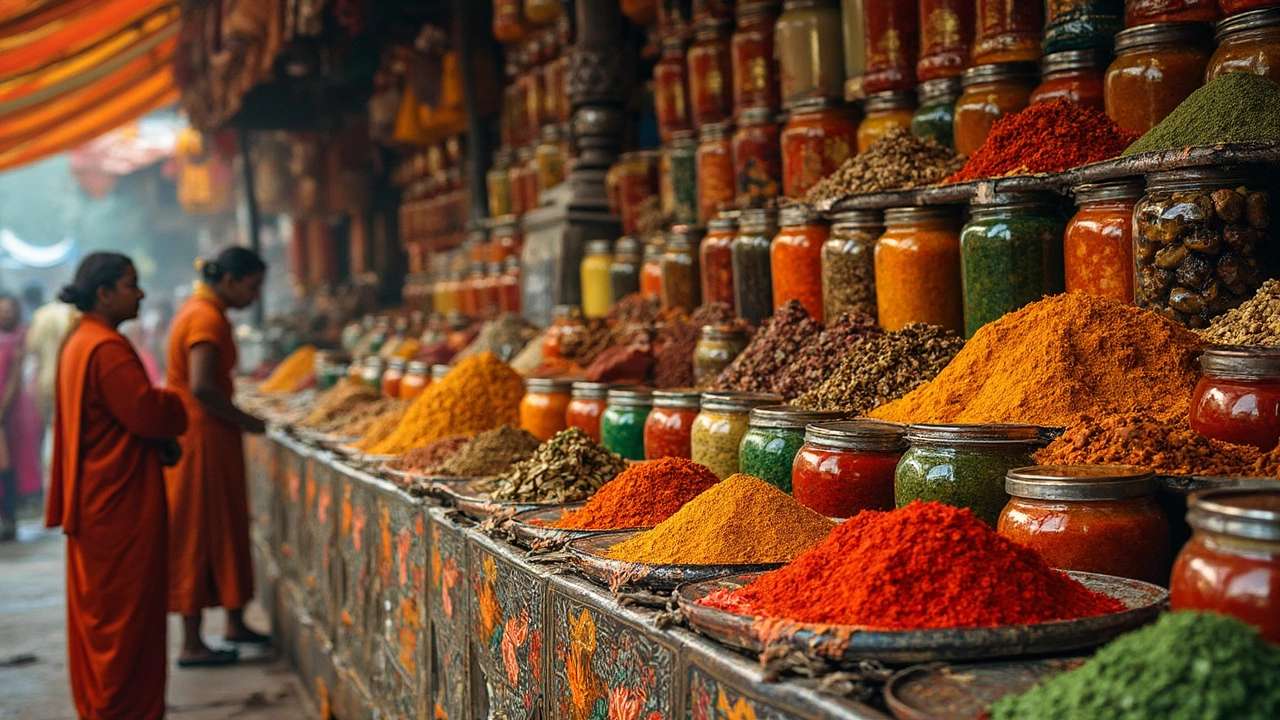
When you think of ingredients, the raw elements that form the foundation of Indian dishes, from spices to dairy to legumes. Also known as cooking components, these are what turn simple meals into unforgettable flavors. It’s not just about what’s in the pantry—it’s about how they work together. A pinch of baking soda in lentils, yogurt in tandoori chicken, or soaking rice before biryani—each choice changes the outcome. These aren’t random tricks. They’re science, tradition, and experience packed into every spoonful.
Take paneer, fresh Indian cheese made by curdling milk with acid. Also known as Indian cottage cheese, it’s the star of countless curries and snacks. But what if you don’t have lemon? Vinegar, citric acid, or even yogurt can replace it—and each gives a slightly different texture. Or look at chutney, a savory, spicy condiment made from herbs, fruits, or vegetables, often used to balance rich dishes. Also known as Indian relish, it’s not jam, even if they look alike. Jarring it hot keeps it safe. Using the right spices—turmeric, cumin, ginger—turns it into an anti-inflammatory boost. And then there’s dosa batter, a fermented mix of rice and lentils that becomes crispy, airy pancakes. Also known as South Indian fermented batter, its success hinges on temperature, time, and grain ratios. Get it wrong, and your dosa sticks. Get it right, and it’s crisp on the edges, soft inside.
These ingredients don’t just appear in recipes—they’re the reason recipes work. The bitterness in dal? Fixed with soaking or a dash of baking soda. The roti that turns hard by noon? That’s about moisture control, not the flour. The biryani rice that’s mushy? It’s not the recipe—it’s the boiling time. Every post in this collection answers one simple question: What makes this ingredient do what it does? Whether you’re swapping lemon for paneer, figuring out why tandoori chicken tastes so good, or learning which dals skip soaking entirely, you’re not just following steps. You’re understanding the system behind the food. Below, you’ll find real, tested fixes, swaps, and secrets from home kitchens across India. No fluff. No guesswork. Just what works.
Why It's Called Chutney: A Journey Through Flavor
Explore the intriguing origins of the word 'chutney' and how it came to represent a diverse array of zesty condiments. Learn about its history, key ingredients that define it, and practical tips for creating your own flavorful versions. Discover the cultural significance and global popularity that have made chutney a staple in kitchens around the world.

Compote vs. Chutney: Spot the Difference
Ever wondered whether you're stirring up a compote or a chutney? Despite their similar fruit contents, they're quite different. While compote is sweet, chutney brings a spicy, tangy twist. Both can add a burst of flavor to your dishes, but each has its own special role. Dive into differences, uses, and tips for each, and get the lowdown on these fun kitchen staples.