Jain Cuisine: Simple, Pure, and Deeply Rooted Indian Plant-Based Eating
When you think of Jain cuisine, a strict, non-violent vegetarian diet practiced by followers of Jainism that avoids root vegetables, onions, garlic, and animal products. It's not just food — it's a daily act of respect for all life. This isn’t about skipping meat. It’s about skipping anything that causes harm — even to tiny organisms. That’s why onions, garlic, potatoes, carrots, and radishes are out. They grow underground, and pulling them up kills the whole plant and disturbs the soil life around it. Jain cuisine is built on this idea: eat only what’s necessary, and cause the least harm possible.
What you’re left with is a surprisingly rich and flavorful way of cooking. Think lentils cooked with cumin and turmeric, rice with peas and cashews, spinach stir-fried with ginger, and yogurt-based gravies flavored with dried mango powder. No onion? No garlic? It sounds limiting — until you taste it. The flavors come from fresh herbs, spices like asafoetida (hing), sesame seeds, and dried fruits. Many dishes are naturally vegan, dairy-free, and gluten-free. It’s not a trend. It’s a 2,500-year-old system that’s still alive in homes across Gujarat, Rajasthan, and Maharashtra. And it’s not just for Jains anymore. More people are drawn to it — not for religion, but for clarity, calm, and clean eating.
What makes Jain cuisine different from regular Indian vegetarian food? It’s the rules. No root vegetables. No fermented foods that might contain microbes. No honey. No eggs. Even some dairy is avoided by stricter followers. That’s why you won’t find paneer made with lemon juice in traditional Jain kitchens — citric acid is too harsh on the microbes. Instead, they use yogurt or vinegar. You’ll see dishes like khandvi, a savory rolled snack made from gram flour and yogurt, naturally vegan and free of onion and garlic, or dal dhokli, a comforting wheat dumpling soup with turmeric and cumin, made without any underground roots. These aren’t rare specialties — they’re everyday meals. And they’re packed with the same warmth and depth you’d expect from any Indian home kitchen.
You’ll find this same purity reflected in the recipes here — from how to make paneer without lemon to why chutney needs to be jarred hot to stay safe. Jain cuisine doesn’t rely on tricks or preservatives. It relies on freshness, timing, and respect for ingredients. That’s why the same principles that guide Jain cooking also show up in tips for keeping roti soft for days, making perfect dosa batter, or removing bitterness from lentils. It’s all about doing things right — the slow, careful way.
What you’ll find below isn’t just a list of recipes. It’s a collection of real, tested methods from kitchens that live by these rules. Whether you’re exploring Jain cuisine for the first time, looking for dairy-free options, or just tired of onion and garlic, you’ll find something here that works — without compromise, without confusion, and without fluff.
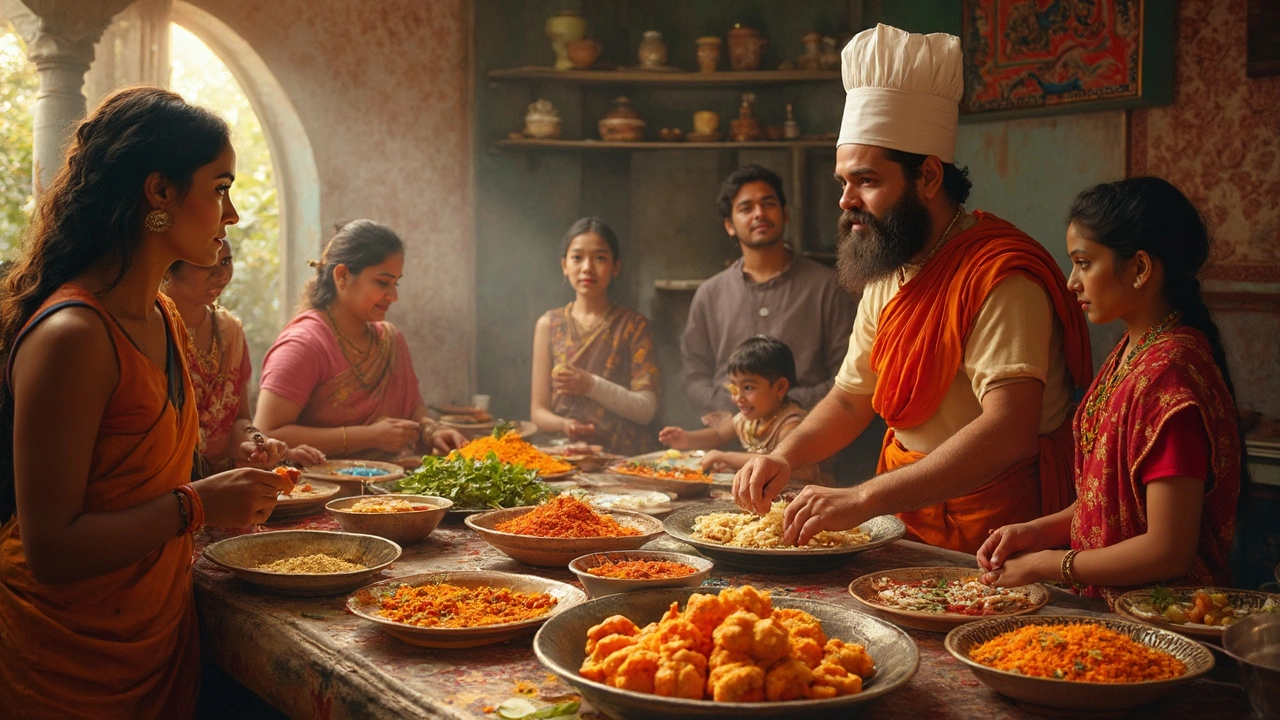
Vegetarian Jain Meal: A Taste of Heaven with a Twist
Ever wondered what makes a vegetarian Jain meal unique? It's more than just skipping meat. Jain meals, rooted deeply in Indian tradition, emphasize non-violence and simplicity. With no root vegetables allowed, these meals are a creative delight offering a plethora of flavors. Dive into this fascinating world and discover the principles, choices, and preparation behind a true Jain vegetarian meal.