King of Snacks: The Most Beloved Indian Street Foods and Why They Rule
When we talk about the king of snacks, a term used across India to describe the most iconic, widely loved, and culturally significant street-side bites. Also known as India’s ultimate snack royalty, it’s not just about taste—it’s about texture, timing, and tradition. This title doesn’t go to just any fried bite. It belongs to the snack that’s been on every street corner, festival table, and late-night craving list for generations. And if you’ve ever stood in a crowded market, watching a vendor flip golden samosas or burst open a pani puri with a splash of tangy water, you know why.
The samosa, a crisp, triangular pastry filled with spiced potatoes and peas, is often the first contender. It’s crunchy on the outside, soft inside, and served hot with chutney that cuts through the richness. Then there’s the pani puri, a hollow, fried shell stuffed with potato, chickpeas, and a burst of spicy-tangy water—a snack that demands participation. You don’t eat it; you experience it. The crunch, the flood of flavor, the shared laughter—it’s street food theater. These aren’t just snacks. They’re social rituals. And they’re not just popular because they’re cheap or quick. They’re built with ingredients that are naturally anti-inflammatory, like turmeric in the chutney, or fermented batter in bhel puri, making them more than comfort food—they’re functional food.
What ties these together isn’t just flavor. It’s the way they fit into daily life. A student grabs pani puri between classes. A factory worker eats a samosa with chai at 6 a.m. A family shares bhel puri on a Sunday evening. These snacks don’t need fancy plates or long prep. They’re made fresh, served fast, and eaten with hands. That’s why no restaurant dish has ever dethroned them. Even as health trends shift, these snacks adapt—whole wheat dough, less oil, vegan chutneys—without losing their soul. You’ll find them in the posts below: how to make them better, why they work, what to watch out for, and how they’ve changed over time. Whether you’re trying to recreate them at home or just understand why they’re so hard to resist, this collection has the real talk—no fluff, just facts, tricks, and the stories behind the crunch.
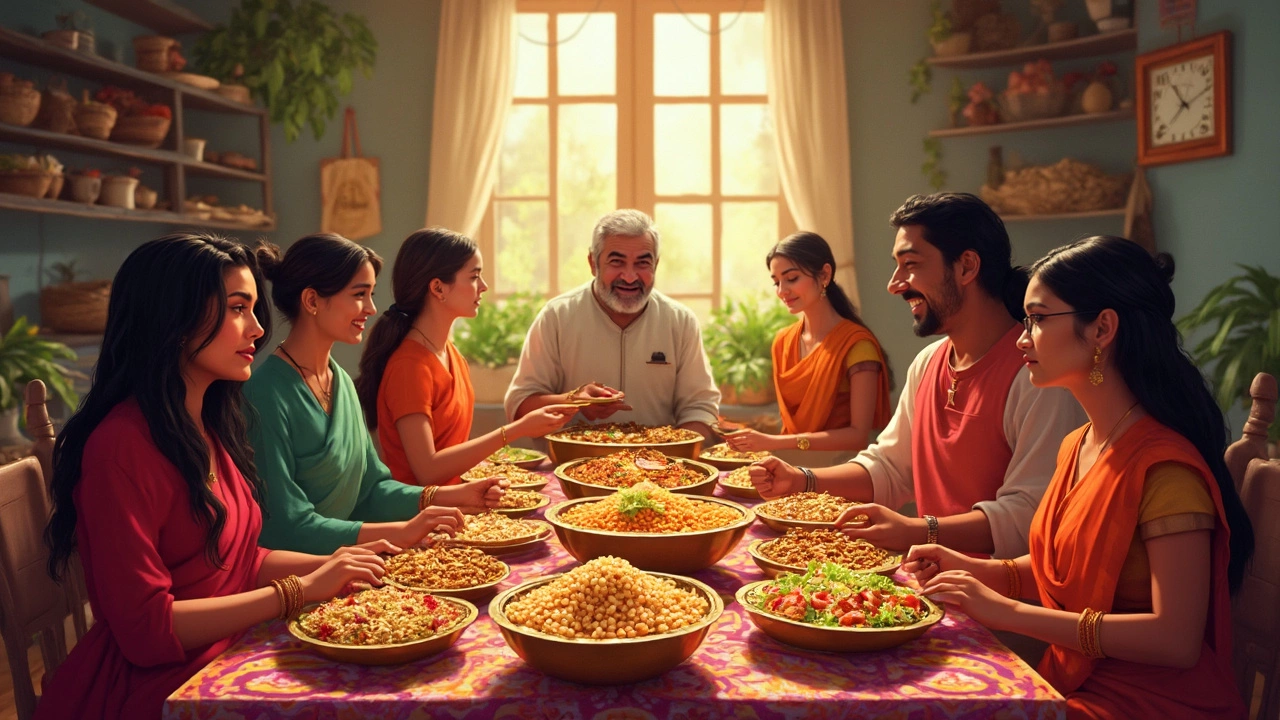
King of Snacks in India: Which Healthy Snack Wears the Crown?
This article explores what truly deserves to be called the king of snacks in India, with a strong focus on healthy options. It gives you a look at the history, popularity, and nutritional power of various Indian snacks. Find out which snack stands out not just for its taste, but also for being good for you. You'll get helpful facts, relatable tips, and easy tricks for making your snack choices smarter. Are you ready to discover the true champion on the snack table?