Main Meal of the Day in India: What Indians Eat and Why
When you think of the main meal of the day in India, the central eating occasion that shapes daily nutrition, family time, and regional identity across the country. Also known as lunch, it’s not just a break between morning and evening—it’s the anchor of the day for most households. Unlike in many Western countries where dinner is the biggest meal, across much of India, lunch holds that role. It’s when families gather, when flavors are layered with care, and when tradition meets practicality. Whether you’re in a village in Bihar or an apartment in Bangalore, lunch is the moment food becomes ritual.
This isn’t just about quantity—it’s about balance. A typical Indian lunch, the structured midday meal combining carbs, protein, vegetables, and condiments. Also known as bhojan, it often includes rice or roti, dal or curry, a side of vegetables, pickles, yogurt, and sometimes a sweet finish. In the north, you’ll find roti with chana masala and raita. In the south, it’s steamed rice with sambar and coconut chutney. In the east, fish curry with mustard oil and rice dominates. And in the west, you might get pav bhaji or thali with multiple small dishes. Each region has its own rhythm, but the structure stays the same: carbs as the base, protein for fuel, and spices to awaken the senses.
The timing matters too. Lunch in India usually happens between 12:30 and 2:30 PM, after the morning’s work or school. It’s not rushed. People eat slowly, often with their hands, savoring each bite. This isn’t just cultural—it’s biological. Eating a heavy meal in the middle of the day aligns with natural digestion cycles, and Indian meals are designed with that in mind. The use of turmeric, ginger, cumin, and yogurt isn’t just for taste—it helps with digestion, reduces bloating, and keeps energy steady through the afternoon.
What’s interesting is how this meal adapts. In cities, office workers grab quick thalis or dal-chawal from tiffins. In rural areas, women prepare meals on wood-fired stoves, using leftovers from the previous day. Even the vegan and vegetarian options are built into this structure—dal, lentils, vegetables, and grains make up the bulk of the plate. You won’t find many Indians eating a heavy dinner. Instead, dinner is light: maybe a bowl of khichdi, some yogurt, or leftovers. The real nourishment comes at lunch.
And then there’s the social layer. Lunch is when families reconnect. It’s when grandparents tell stories, when kids learn what’s in season, when neighbors share extra portions. In many homes, the first bite is offered to the gods, or to elders. This isn’t superstition—it’s respect. The main meal of the day in India, the central eating occasion that shapes daily nutrition, family time, and regional identity across the country. Also known as lunch, it’s not just food—it’s connection. That’s why you’ll find so many posts here about roti, dal, chutney, biryani rice, and tandoori chicken. These aren’t random recipes. They’re the building blocks of that one meal that matters most.
Below, you’ll find real, tested ways to make each part of that meal better—whether you’re trying to keep roti soft for days, fix bitter lentils, or understand why rice is served over roti. These aren’t just cooking tips. They’re lessons in how India eats, lives, and thrives—one plate at a time.
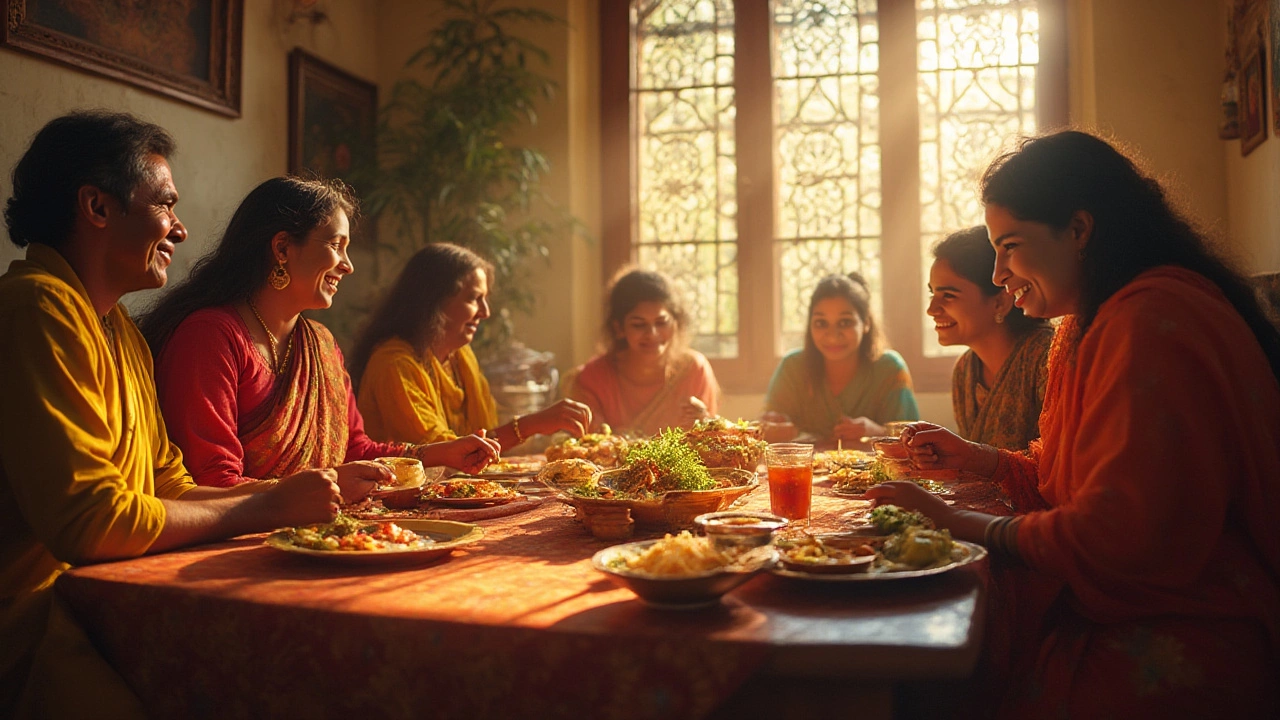
Main Meals in India: What Do People Really Eat for Their Largest Meal?
From north to south, India changes its main meal of the day depending on region, family, and tradition. Discover why, what, and when people eat their biggest meal.