Mithai: Sweet Indian Desserts You Need to Try
When you think of Indian celebrations, one thing always shows up—Mithai, traditional Indian sweets made from milk, sugar, nuts, and spices, often served at festivals, weddings, and family gatherings. Also known as Indian desserts, Mithai isn’t just sugar—it’s memory, love, and tradition wrapped in a bite. Every region has its own version: in the north, you’ll find creamy rasgulla soaked in syrup; in the south, it’s gajar ka halwa with cardamom and ghee; in the west, it’s the chewy, fried jalebi dripping with saffron-infused sugar. These aren’t snacks—they’re rituals.
Mithai is tied to more than just taste. It’s linked to dairy-based cooking, the art of reducing milk into khoya or mawa, a thickened solid that forms the base of many sweets. It’s connected to festive culture, how Diwali, Eid, and Holi are incomplete without trays of barfi, laddoo, and peda. And it’s shaped by home kitchens, where generations pass down recipes not in books, but in hands—how long to stir, when to pull the sugar, how much cardamom is just right. You won’t find Mithai in a grocery aisle unless it’s been made with care, often by someone who remembers how their grandmother did it.
What makes Mithai different from other sweets? It’s the balance—sweet but not cloying, rich but not heavy. It’s the spice that lifts it, the texture that surprises you. A piece of kaju katli melts slowly, while a gulab jamun bursts with syrup. These aren’t desserts you eat quickly—they’re ones you savor, often shared, always remembered. Below, you’ll find real recipes, smart swaps, and stories behind the treats you’ve seen at weddings, temples, and street stalls. No fluff. Just the sweets that matter, made the way they should be.
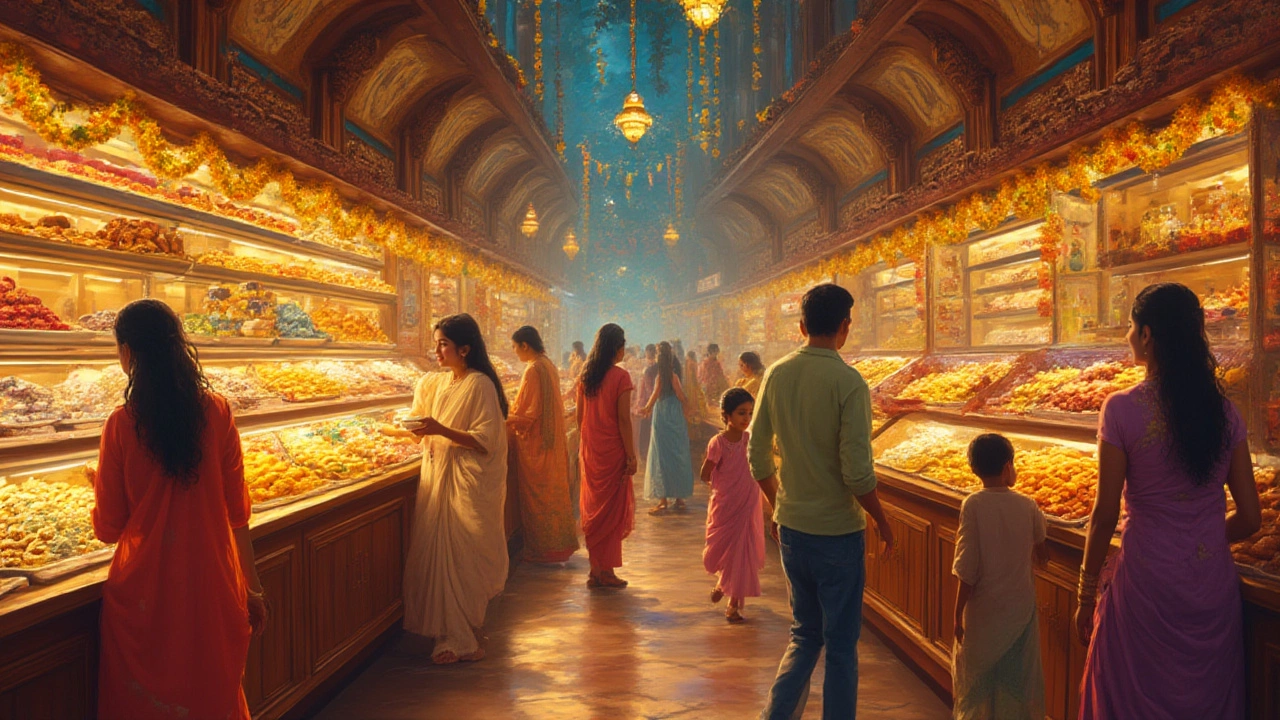
Popular Indian Sweets: What Treats Do Indians Love Most?
Explore the world of popular Indian sweets, why people love them, what makes each one unique, and which occasions call for the most beloved mithai. Discover unique favorites and everyday treats from across India.