Paneer Recipe Tips: Best Ways to Cook Soft, Flavorful Paneer at Home
When you think of paneer, a fresh, unaged Indian cheese made by curdling milk with acid. Also known as Indian cottage cheese, it’s the star of countless home-cooked meals—from creamy paneer butter masala to spicy grilled paneer tikka. But if you’ve ever bitten into dry, rubbery paneer, you know it’s not just about using the right recipe—it’s about how you handle it.
Getting soft paneer isn’t luck. It’s about the milk, the curdling process, and what you do after it’s pressed. Many people skip the crucial step of soaking paneer in warm water after cooking, which keeps it tender. Others overcook it, turning it into chalky cubes. The truth? paneer, a fresh cheese that doesn’t melt, works best when treated gently—like a delicate protein, not a hard block. And while store-bought paneer is convenient, making it at home gives you control over texture and taste. homemade paneer, made from full-fat milk and lemon juice or vinegar, is richer, softer, and far more flavorful than the commercial kind.
What you do after making paneer matters just as much. Frying it lightly before adding to curry seals in moisture. Soaking it in warm salted water for 10 minutes before cooking prevents it from drying out in the sauce. Grilling paneer? Brush it with a little oil and cook on medium heat—high heat chars the outside before the inside warms up. And never boil paneer directly in a spicy gravy for too long. It turns tough. Instead, add it at the end, let it simmer gently, then turn off the heat.
People often think paneer needs heavy cream or butter to taste good. It doesn’t. The real secret is in the spices and timing. A pinch of garam masala added at the end lifts the flavor. A splash of lemon juice brightens it up. Even a few drops of kasuri methi (dried fenugreek leaves) make a huge difference. And if you’re making paneer curry, let the sauce thicken first—then gently fold in the cubes. That way, they absorb flavor without falling apart.
You’ll find plenty of recipes here that show you exactly how to get this right—from quick weeknight stir-fries to slow-cooked curries. Some focus on how to press paneer properly so it holds shape but stays soft. Others show you how to use leftover paneer in snacks or salads. There are even tips for making paneer without a cheesecloth, or how to freeze it so it doesn’t turn grainy. Whether you’re new to cooking with paneer or you’ve been making it for years, these tips will help you avoid the most common mistakes—and finally get that melt-in-your-mouth texture everyone loves.
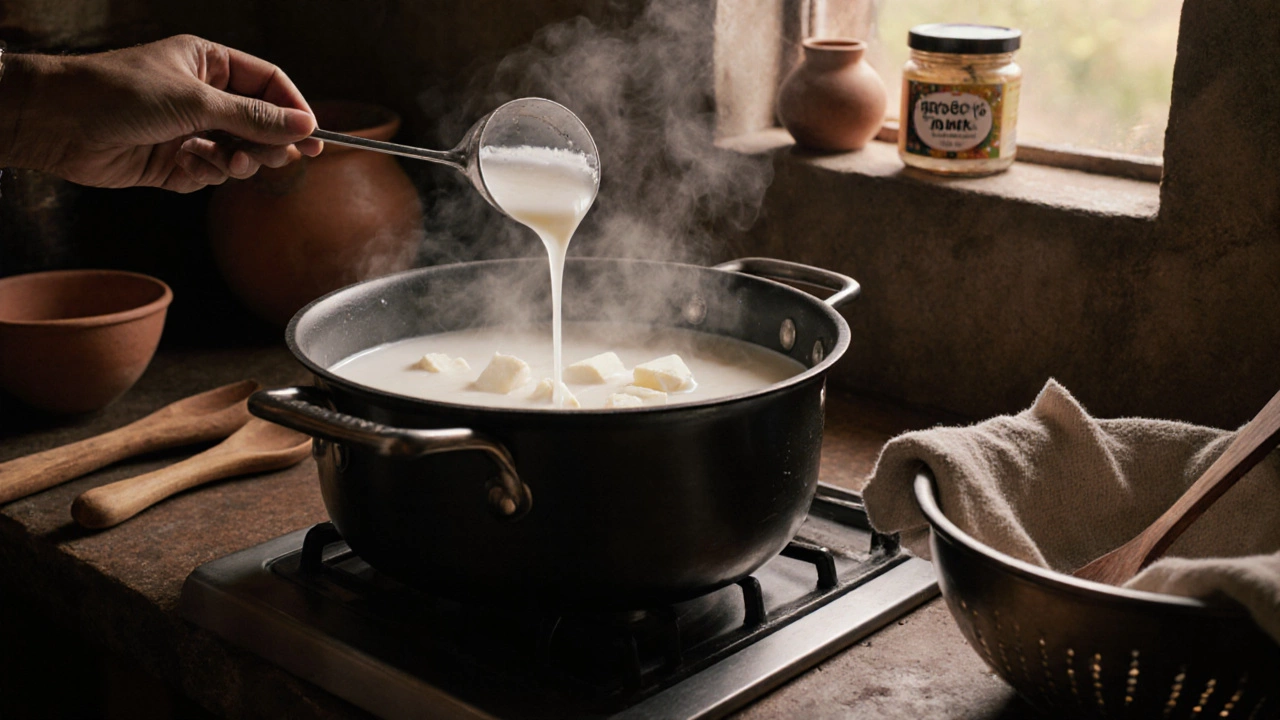
What Can You Use Instead of Lemon in Paneer Recipes?
Learn five effective substitutes for lemon in homemade paneer recipes - from vinegar to citric acid - and how to get perfect texture every time without citrus.