Recipe: Easy Indian Recipes with Fresh Ingredients for Every Kitchen
When you think of a recipe, a clear set of steps to make a dish using specific ingredients. Also known as cooking instruction, it's not just about following directions—it’s about turning fresh spices, vegetables, and dairy into something that feels like home. In India, a recipe isn’t locked in a book. It’s passed down in whispers while stirring dal, learned by watching your aunt roll roti, or figured out after burning your first batch of chutney. The best Indian recipes don’t need fancy tools or hard-to-find ingredients. They use what’s in your kitchen right now—turmeric, cumin, yogurt, lentils—and turn them into meals that stick with you.
Take homemade paneer, a fresh, unaged Indian cheese made by curdling milk with acid. It’s not the same as store-bought. Making it yourself means you control the texture, the flavor, and whether you use lemon, vinegar, or even yogurt to set it. That’s the power of a good recipe: it lets you adapt. Or consider chutney, a spicy, tangy condiment made from fruits, herbs, or vegetables, often used to balance rich dishes. It’s not jam. It’s not salsa. It’s its own thing—bright, punchy, and meant to be spooned over rice or tucked into a roti. And then there’s roti, a soft, round flatbread made from whole wheat flour and water, cooked on a hot griddle. Getting it perfectly round isn’t magic. It’s technique—dough temperature, rolling pressure, heat control. These aren’t just recipes. They’re small wins you can repeat every day.
What you’ll find here isn’t a list of perfect dishes. It’s a collection of real fixes, real questions, and real solutions. Why does your dal taste bitter? How do you keep roti soft for days? Can you make paneer without lemon? Is street food actually safe? These aren’t theoretical questions. People ask them every day in kitchens across India. And the answers? They’re here. No fluff. No jargon. Just clear, tested steps that work whether you’re cooking for one or feeding a family. You’ll learn how to make biryani rice fluffy, how to spot the difference between chicken tikka and tandoori chicken, and why some Indian families put rice on top of roti. You’ll find out what makes chutney anti-inflammatory, which dals skip soaking, and why saying ‘tata’ isn’t a mistake—it’s culture. This isn’t about impressing guests. It’s about cooking with confidence, one meal at a time.
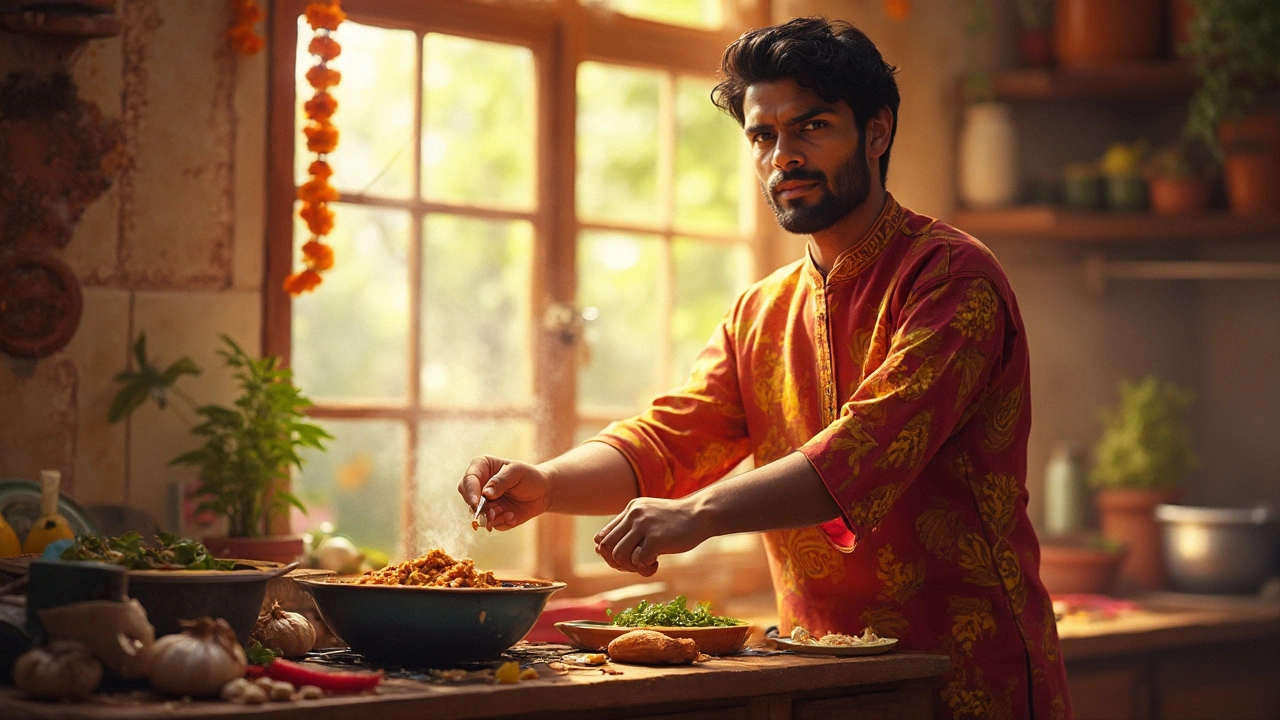
When to Add Garlic and Ginger to Chicken Curry
Garlic and ginger are essential in chicken curry, but knowing when to add them can make all the difference. This article explores the ideal moments to incorporate these ingredients to enhance flavor. It also includes tips for maximizing their aroma and potential health benefits. Learn how timing impacts the overall taste of your curry.