Recipes: Easy Indian Dishes Made with Fresh Ingredients
When you think of recipes, practical instructions for preparing food using fresh, local ingredients. Also known as cooking methods, they’re the backbone of everyday meals in Indian homes—simple, bold, and built to last. These aren’t fancy restaurant dishes. They’re the kind your grandma made, the ones that fill your kitchen with smell of cumin and turmeric, and leave you full without feeling heavy. Whether you’re making homemade paneer, fresh cheese made by curdling milk with vinegar or lemon juice, or rolling out roti, soft, unleavened flatbread cooked on a hot griddle, the goal is always the same: flavor that comes from care, not chemicals.
What makes Indian recipes special isn’t just the spices—it’s how they’re used. A pinch of baking soda in lentils removes bitterness. Jarring chutney while it’s hot stops mold before it starts. Soaking rice for the right time turns it fluffy, not mushy. These aren’t secrets—they’re small fixes anyone can learn. You don’t need a fancy kitchen. You just need to know why you’re doing what you’re doing. That’s why you’ll find guides here on chutney, a spicy, tangy condiment made from fruits, herbs, or vegetables, used to balance meals that fight inflammation, not just add heat. Or how to make roti perfectly round every time, without guesswork. Or why serving rice over roti isn’t just tradition—it’s a trick to slow down digestion and keep you full longer.
Some of these recipes come from street corners, others from village kitchens. A Bobo breakfast of roasted chana and roti? It’s vegan, ready in five minutes, and packed with protein. Tandoori chicken? Its magic isn’t just in the grill—it’s in the yogurt marinade that tenderizes and flavors at the same time. Even something as simple as replacing lemon in paneer isn’t a compromise—it’s a smarter way to control texture and taste. These aren’t random ideas. They’re tested, repeated, and passed down because they work. You’ll find all of them here—no fluff, no filler, just real steps for real meals. Whether you’re cooking for one or feeding a family, these recipes give you the tools to eat better, faster, and with more confidence than ever before.
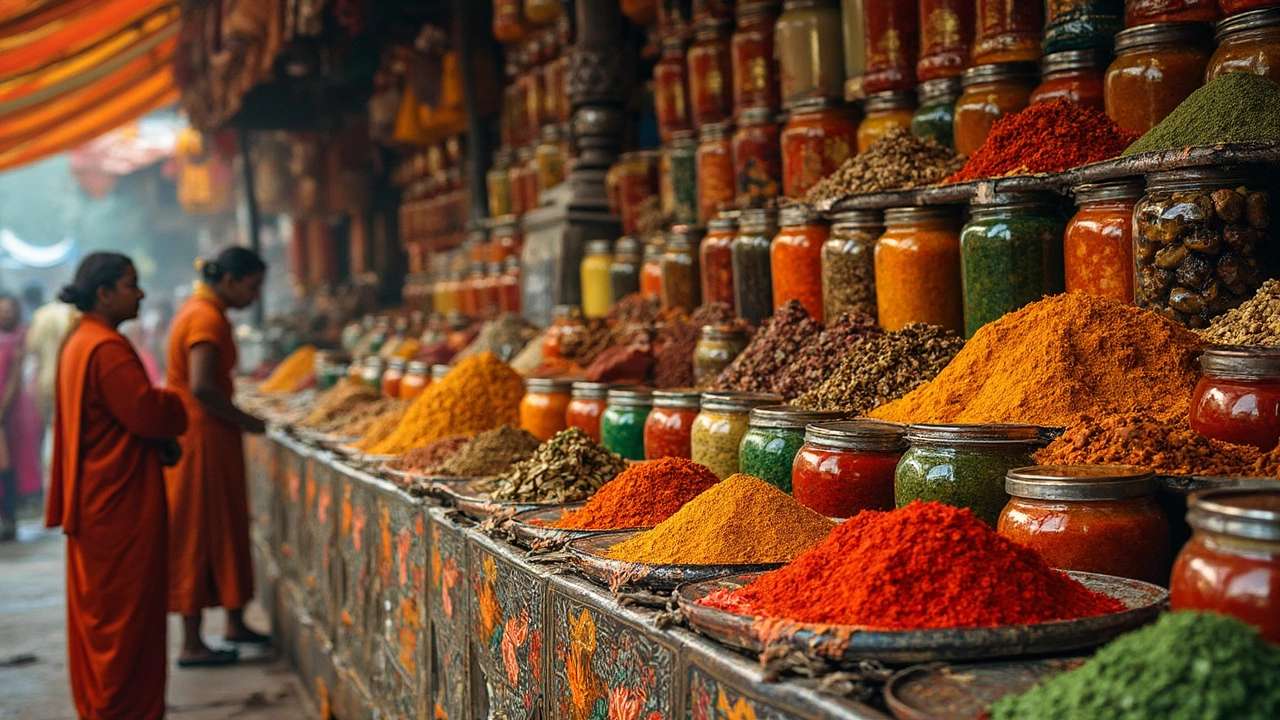
Why It's Called Chutney: A Journey Through Flavor
Explore the intriguing origins of the word 'chutney' and how it came to represent a diverse array of zesty condiments. Learn about its history, key ingredients that define it, and practical tips for creating your own flavorful versions. Discover the cultural significance and global popularity that have made chutney a staple in kitchens around the world.

Compote vs. Chutney: Spot the Difference
Ever wondered whether you're stirring up a compote or a chutney? Despite their similar fruit contents, they're quite different. While compote is sweet, chutney brings a spicy, tangy twist. Both can add a burst of flavor to your dishes, but each has its own special role. Dive into differences, uses, and tips for each, and get the lowdown on these fun kitchen staples.

Discovering the Downside: The Disadvantages of Naan
Naan, a popular Indian bread, is a staple in many cuisines, but it comes with certain disadvantages that might surprise you. Despite its delightful taste and texture, naan can be high in calories and often lacks in nutritional value. Its preparation methods and ingredients might not always align with dietary restrictions or health-conscious cooking. This article delves into these drawbacks and offers practical tips for more nutritious alternatives.