Regional Indian Food: Discover the True Flavors of India's Diverse Cuisines
When you think of regional Indian food, the diverse cooking styles, ingredients, and traditions found across India's states and communities. Also known as state-specific Indian cuisine, it's not one single flavor—it's dozens, each shaped by local soil, climate, and history. Walk into a home in Kerala and you'll smell coconut and curry leaves. In Punjab, you'll find buttery naan and smoky tandoori chicken sizzling over charcoal. In Bengal, mustard oil and fish dominate. This isn't just variation—it's identity.
Tandoori chicken, a clay oven-roasted dish marinated in yogurt and spices, originating in North India isn't just popular—it's a symbol of how heat and technique transform simple ingredients. Meanwhile, dosa batter, a fermented mix of rice and lentils that creates crisp, savory pancakes in South India relies on humidity, time, and patience. These aren't recipes you copy—they're traditions you learn. Even something as simple as paneer, fresh Indian cheese made by curdling milk with acid, not rennet changes across regions: in the North, it's rich and soft; in the East, it's often fried and spiced differently. What works in Delhi won't work in Chennai, and that's the point.
You won't find one-size-fits-all Indian food. The spices in a Bengali fish curry aren't the same as in a Gujarati dal. The way roti is rolled in Rajasthan differs from how it's pressed in Uttar Pradesh. Even street food like pani puri has different fillings and water bases depending on the city. This collection doesn't just give you recipes—it shows you why those recipes exist. You'll learn how to make perfect roti, why chutney is jarred hot, how tandoori chicken gets its color, and what makes dosa batter rise. These aren't random tips—they're the real rules behind the food you love.
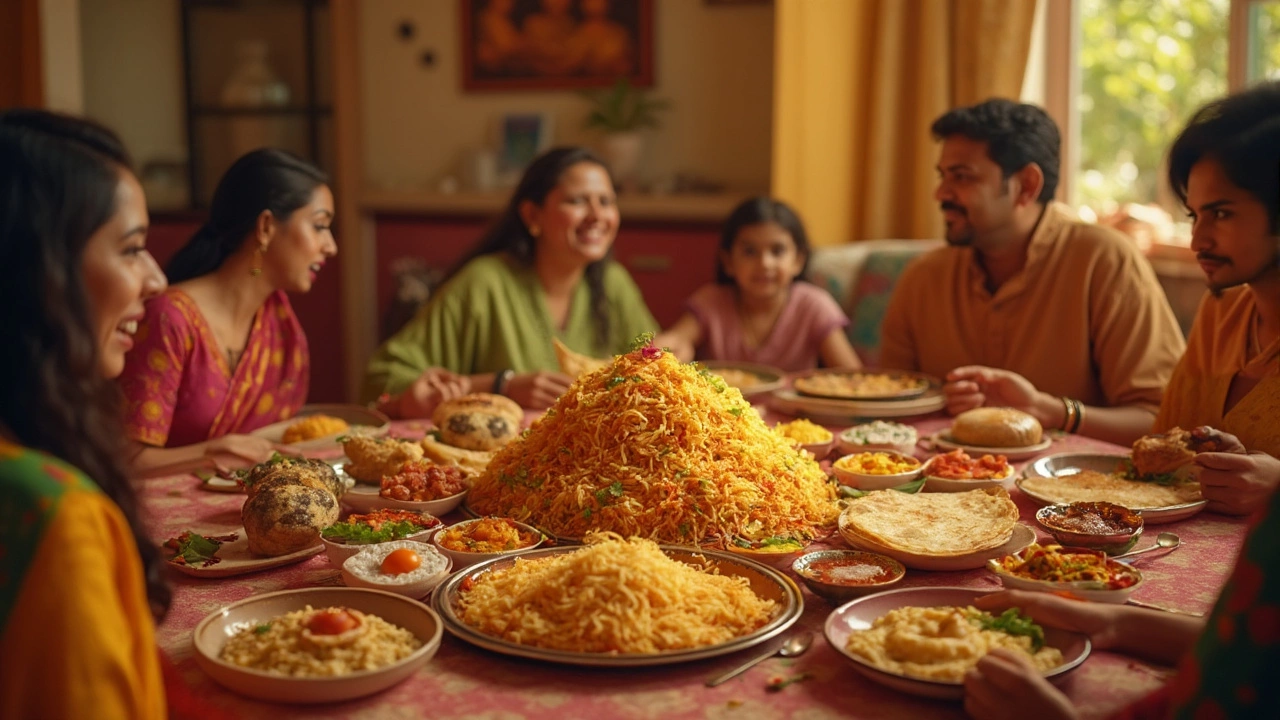
Indian Food Delicacies: Discover Flavors, Dishes, and Traditions
Explore the rich world of Indian delicacies, from iconic dishes like biryani and dosa to secret sweets and street food that make India’s cuisine so unique and cherished.