How to Remove Bitterness from Lentils: Simple Fixes That Work
When you cook lentils, a staple legume in Indian households used in dals, soups, and stews. Also known as dal, it's one of the most common protein sources in vegetarian diets across India. But sometimes, no matter how carefully you cook them, they come out bitter. That sharp, unpleasant taste isn’t normal—it’s usually caused by leftover saponins, improper soaking, or old stock. The good news? You don’t need fancy tools or complicated steps to fix it. Just a few kitchen tricks, passed down through generations, can turn bitter lentils into a smooth, comforting bowl of comfort.
One of the biggest reasons lentils taste bitter is because they weren’t rinsed well enough. Saponins, natural compounds found on the outer layer of lentils, are bitter and can stick around if you just give them a quick rinse. The fix? Wash them under cold running water for at least 30 seconds, stirring with your fingers. Do this until the water runs clear. Many people skip this step because it feels like extra work—but it’s the single most effective way to prevent bitterness before it even starts. Another common issue is cooking lentils with hard water. Minerals like calcium and magnesium can react with lentils and make them taste metallic or sharp. If you live in an area with hard water, boil your water first, then let it cool before using it to cook your dal. It’s a small step, but it makes a noticeable difference.
Some lentils, like masoor dal or urad dal, are more prone to bitterness than others. If you’re using older lentils—say, from a bag that’s been sitting for over a year—they’ve likely lost their freshness and developed a stale, bitter edge. Always check the pack date. Fresh lentils smell earthy and clean. If they smell musty or dusty, toss them. Adding a pinch of sugar or a small piece of jaggery while cooking also helps balance bitterness naturally. It’s not about making your dal sweet—it’s about rounding out the flavor. A splash of lemon juice at the end does the same job, but if you’re avoiding acidity, sugar or jaggery are your best friends. And don’t forget tempering. A quick fry of cumin, asafoetida, and dried red chilies in hot oil before adding the lentils doesn’t just add flavor—it masks bitterness by building layers of aroma and taste.
There’s also a myth that adding baking soda helps soften lentils faster, but it can actually make them bitter if used too much. A tiny pinch (less than 1/8 teaspoon) might help with cooking time, but more than that? It turns your dal soapy and unpleasant. Stick to soaking and rinsing instead. If you’re short on time, use split lentils—they cook faster and are less likely to turn bitter than whole ones. And if you’ve already cooked a batch that tastes off? Don’t throw it out. Add a diced tomato, a spoon of yogurt, or even a bit of coconut milk. The acidity and fat will balance the bitterness instantly.
What you’ll find below are real, tested solutions from Indian kitchens—no fluff, no theory, just what works. From quick fixes for last-minute dals to long-term habits that prevent bitterness before it starts, these posts cover everything from rinsing tricks to spice pairings that hide flaws and elevate flavor. Whether you’re new to cooking lentils or you’ve been making dal for years but still run into this problem, you’ll find a fix that fits your kitchen.
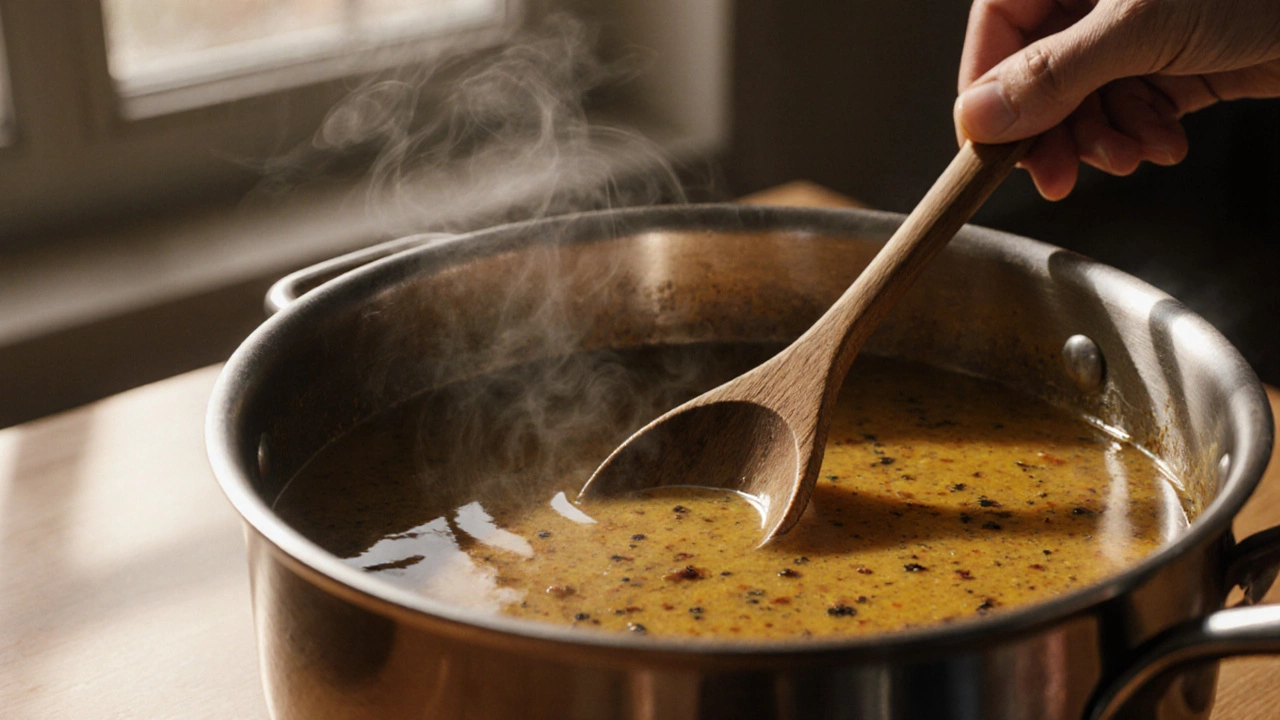
How to Remove Bitterness from Lentils - Simple Dal Tips
Learn practical ways to eliminate bitter taste from lentils using rinsing, soaking, baking soda, acids, spices, and pressure cooking for perfect dal every time.